🔥 CYBER MONDAY 24H: 60% off all prices on the site! Only until midnight. Use code CYBERMONDAY25 👉🏼

Victoria, BC, Canada
Outdoor - Garden
Briefing
ENG:
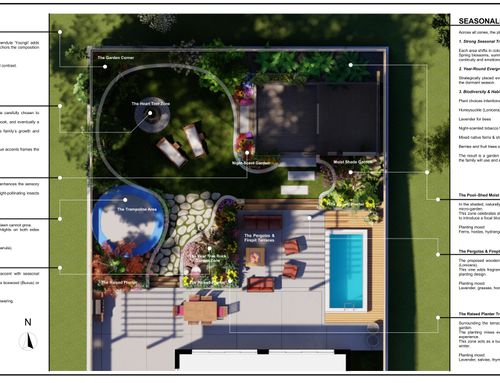
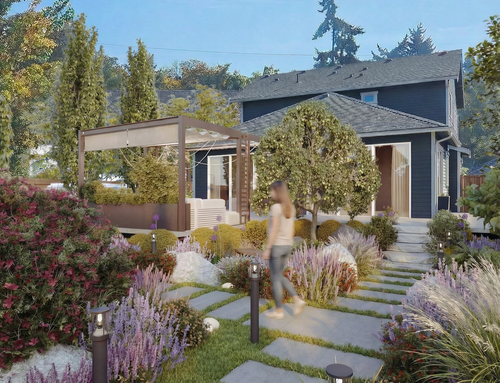
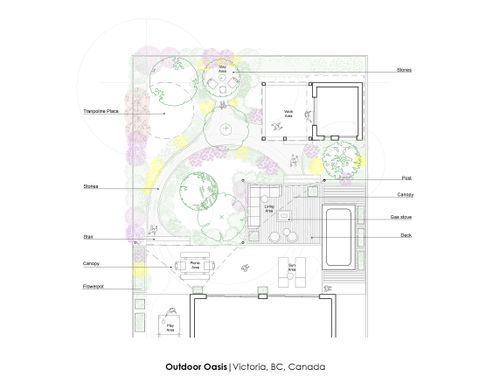
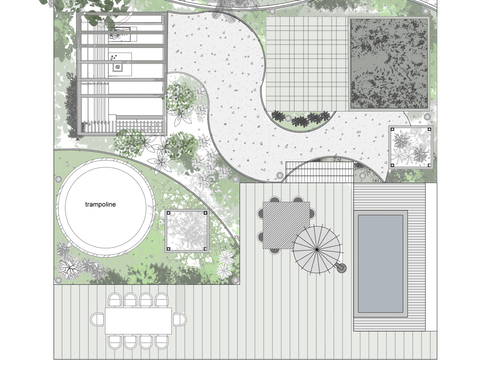
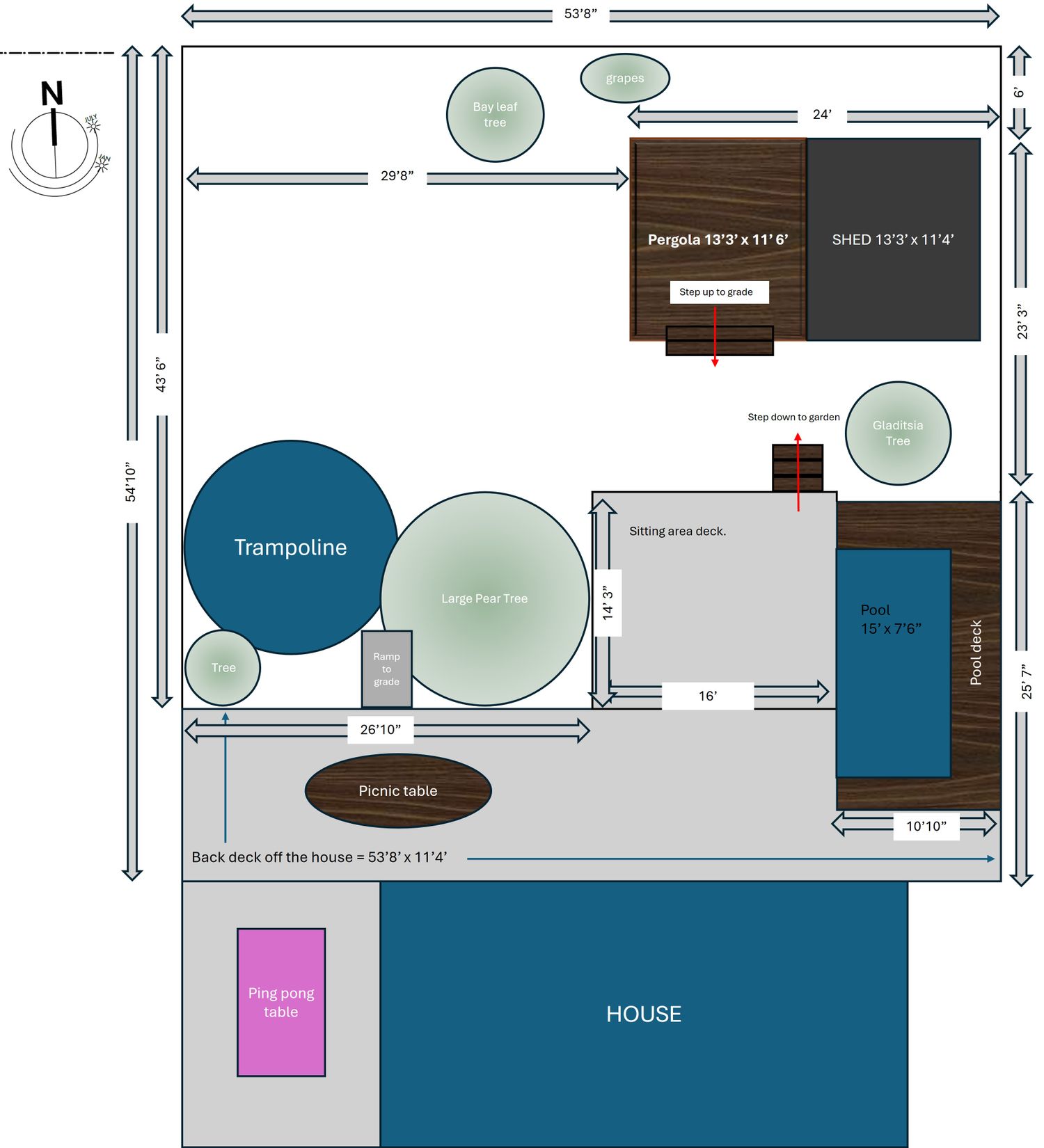
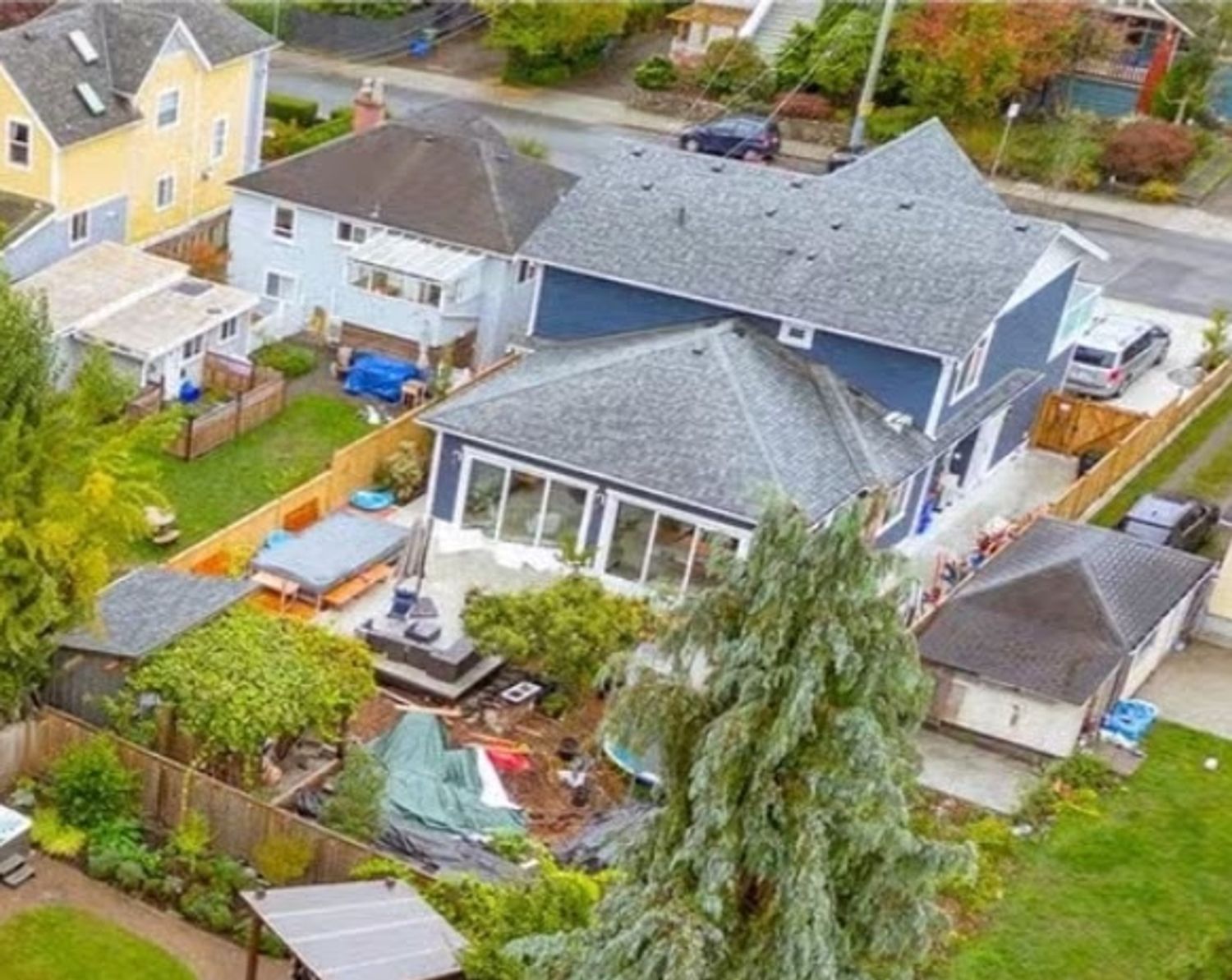
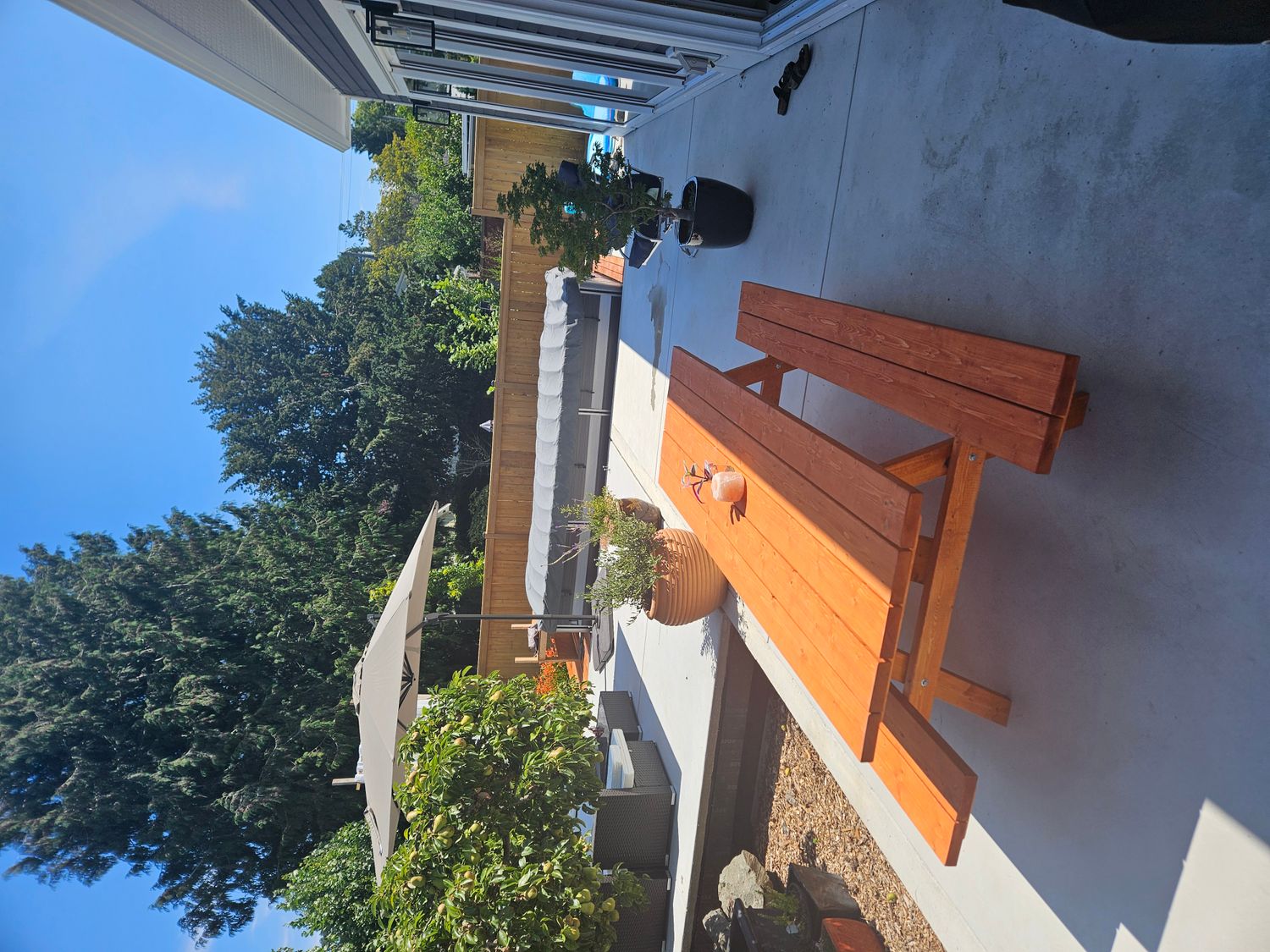
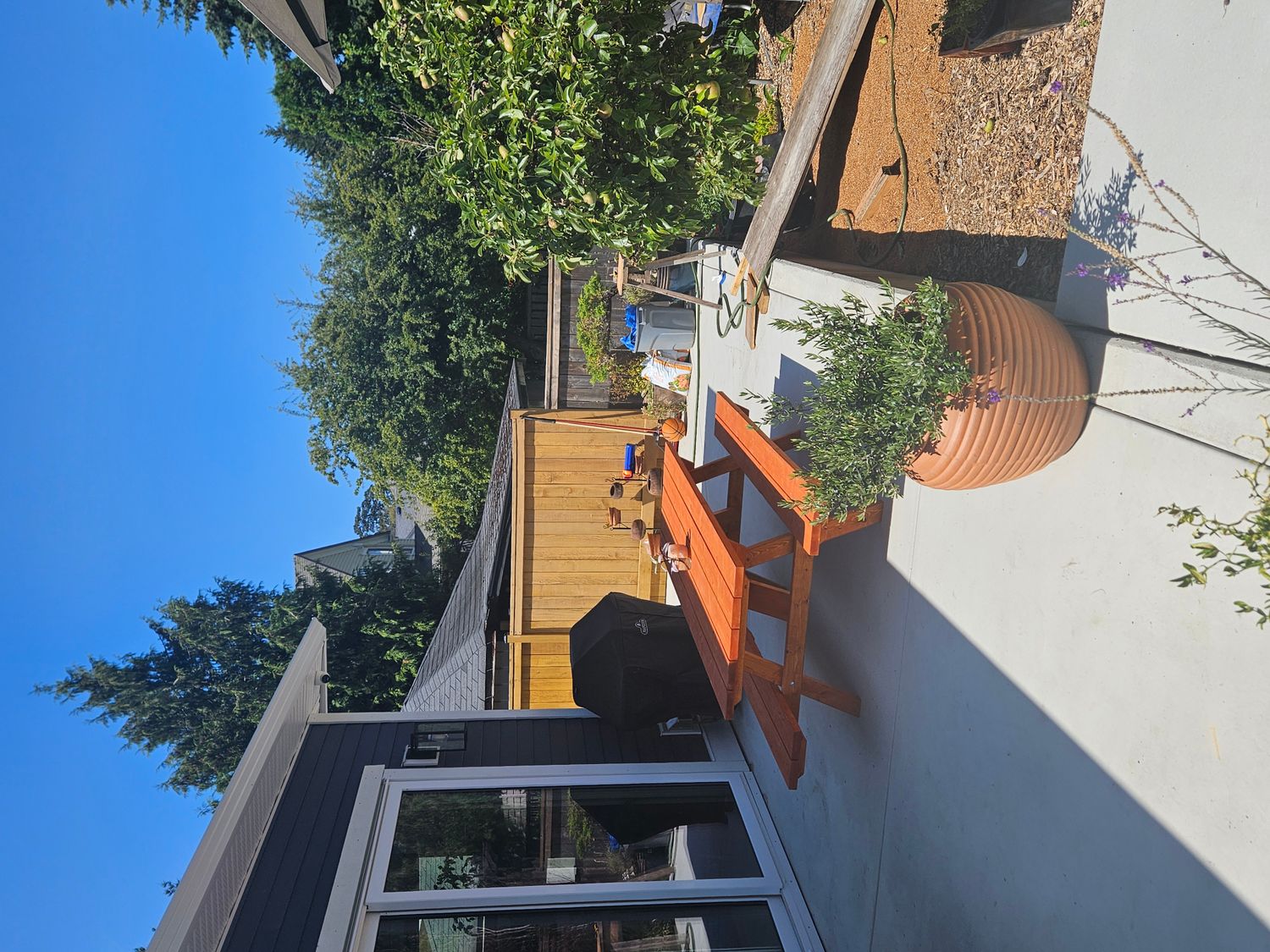
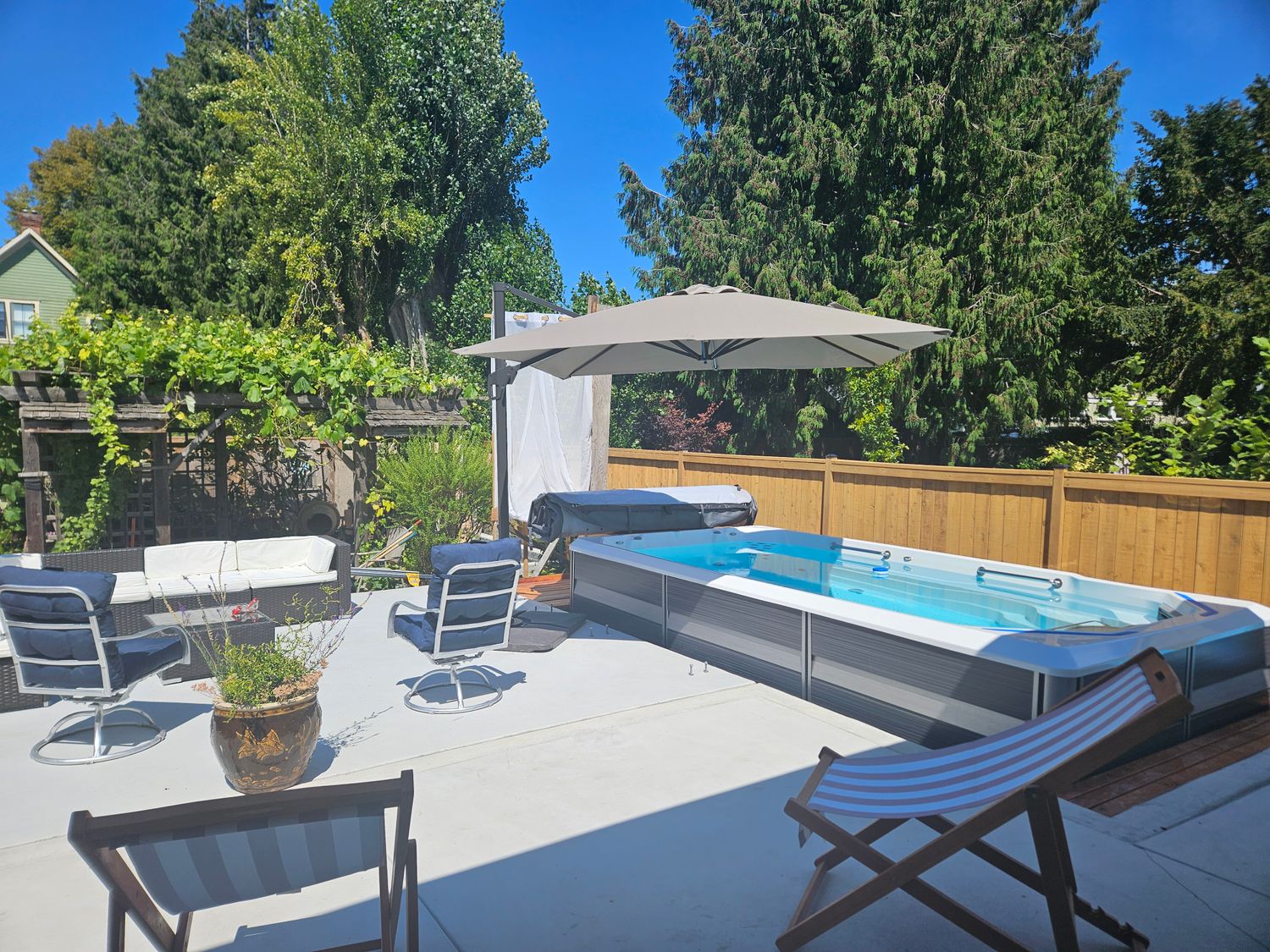
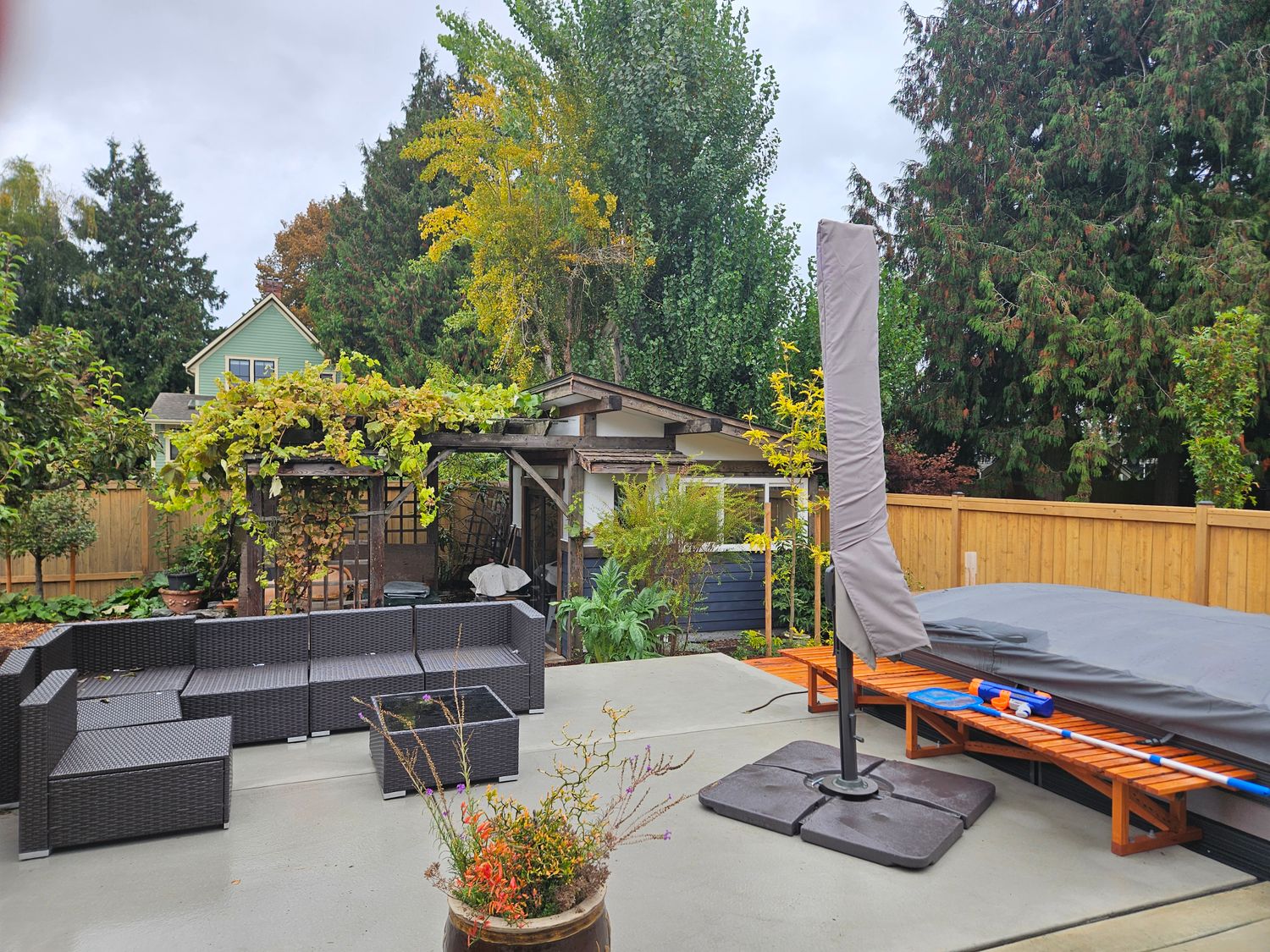
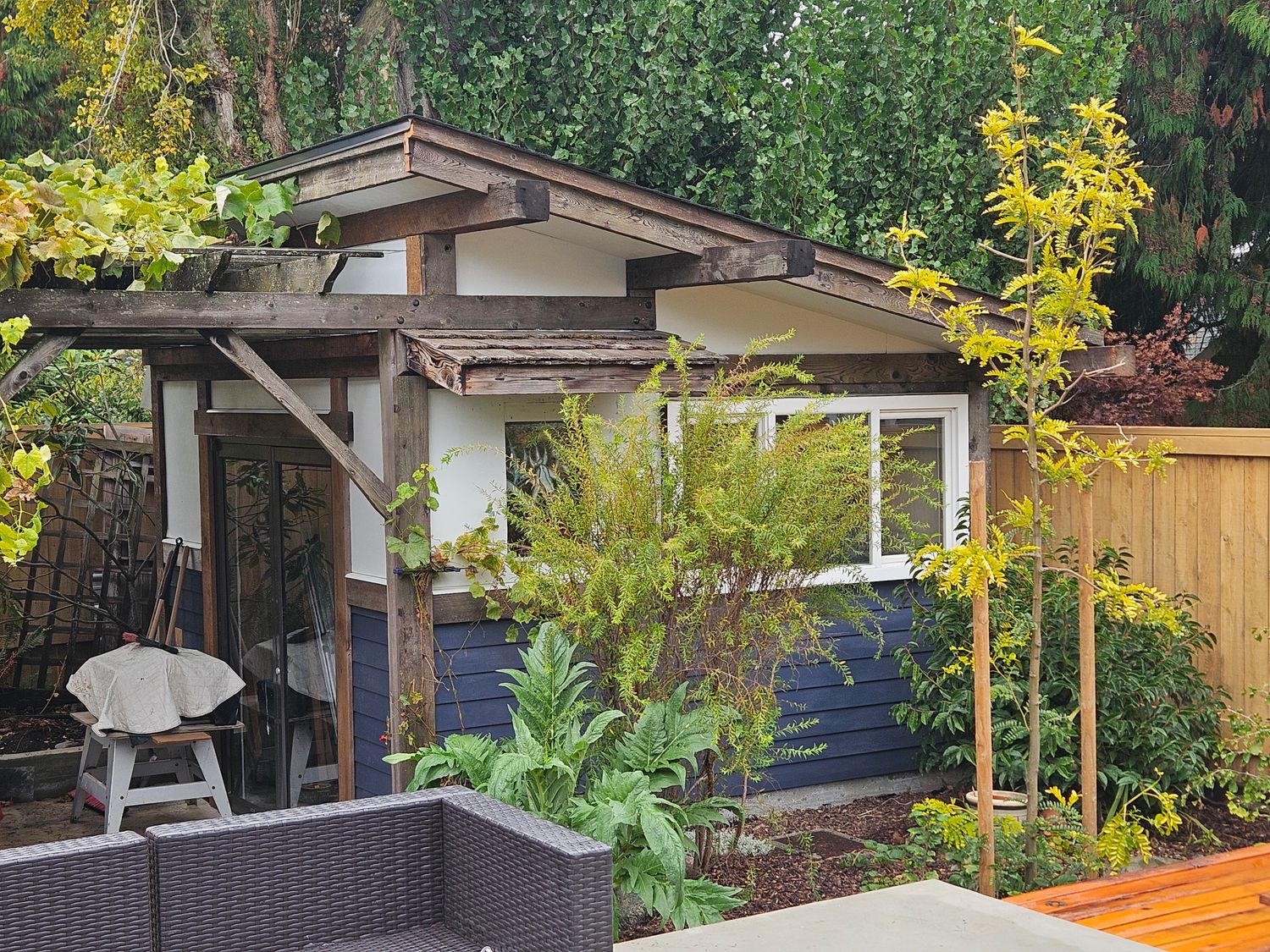
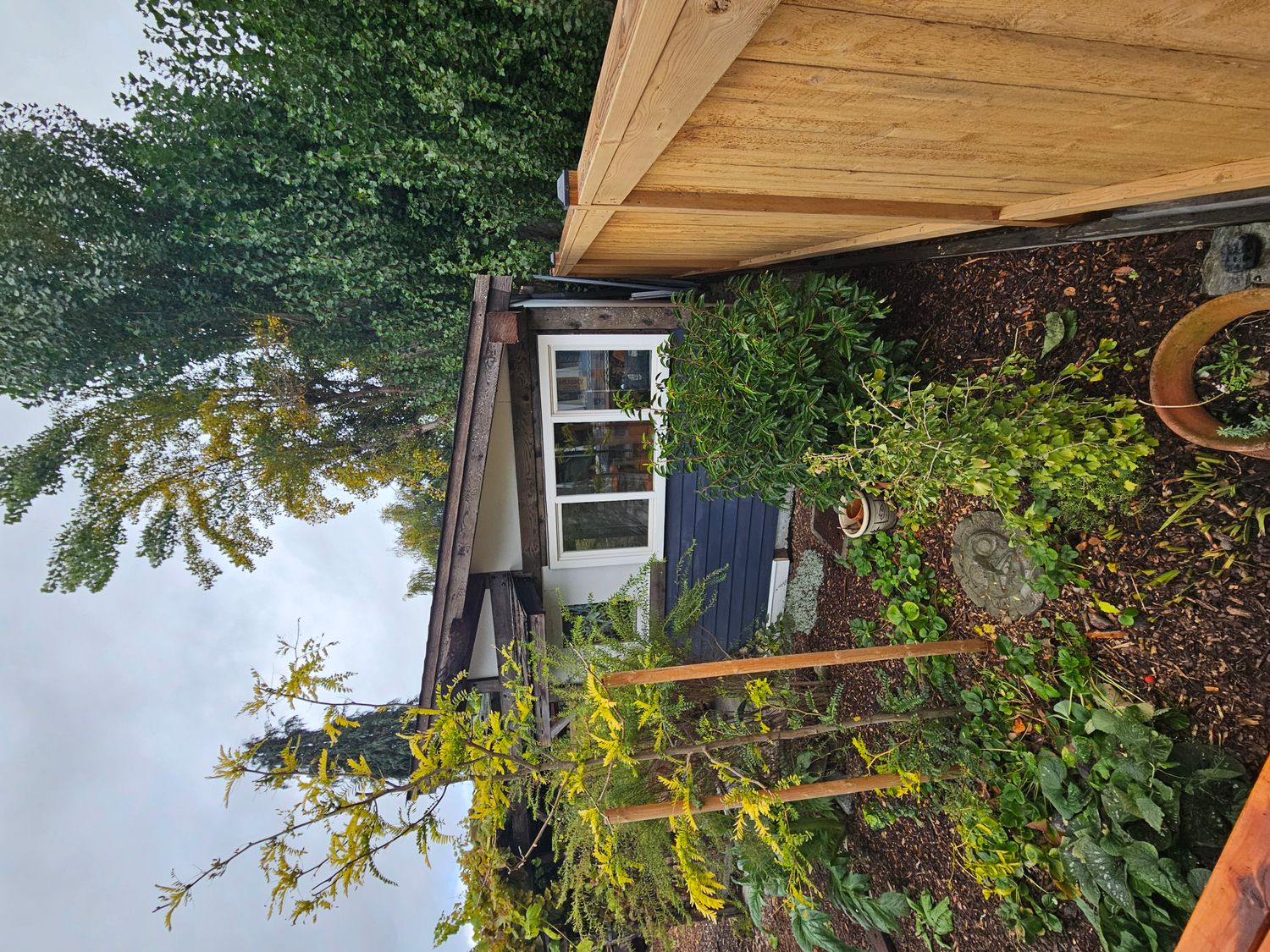
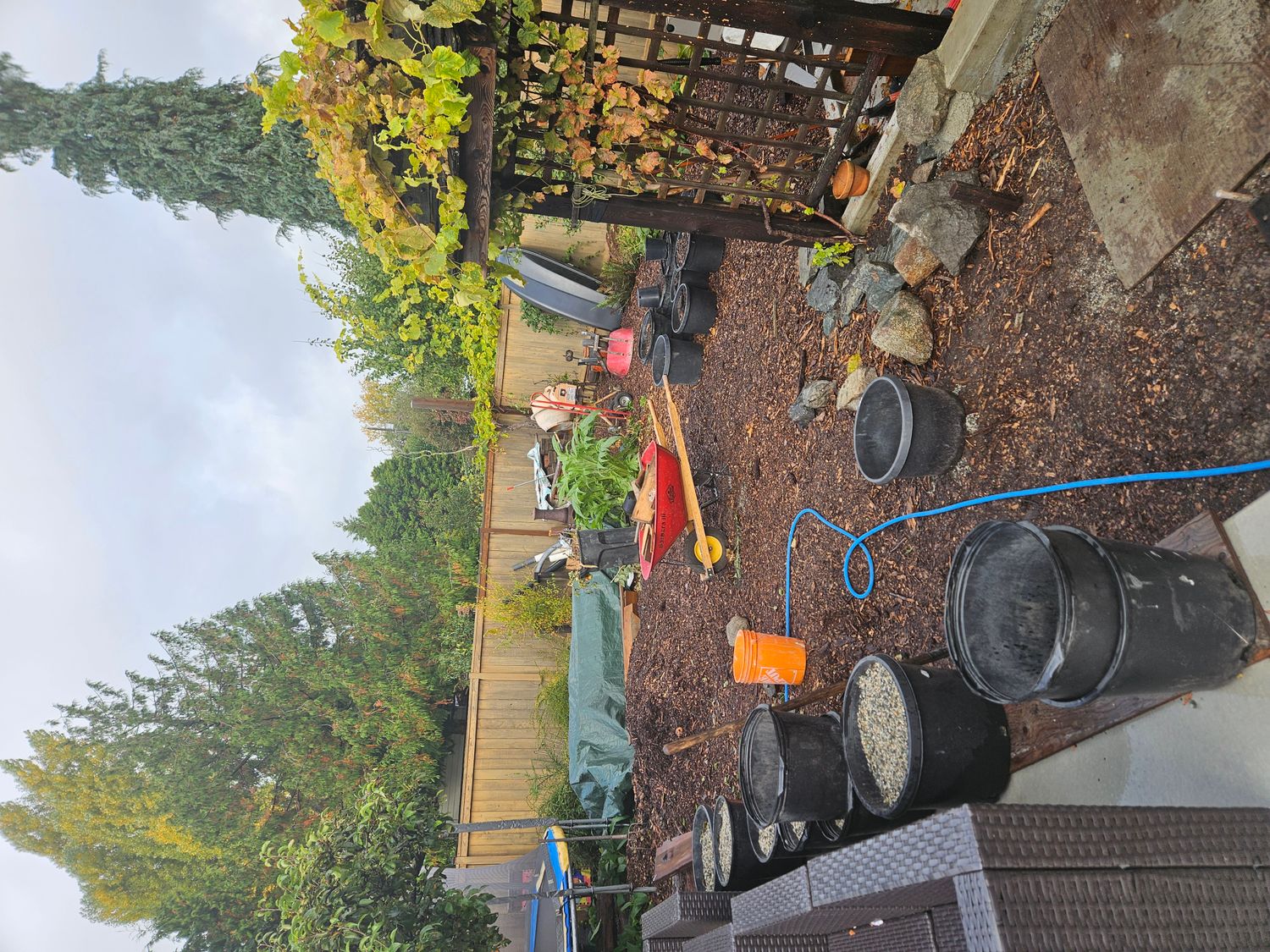
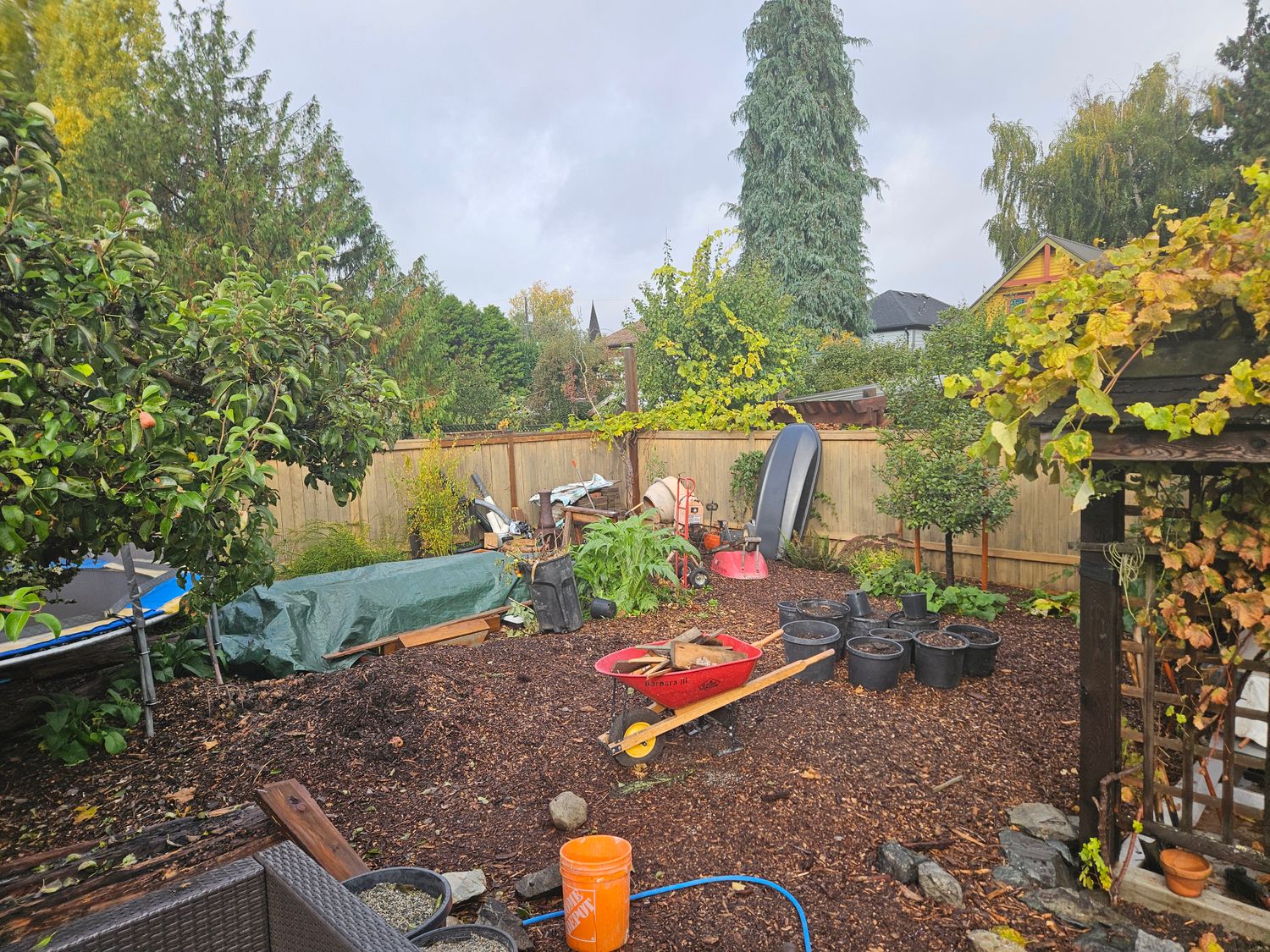
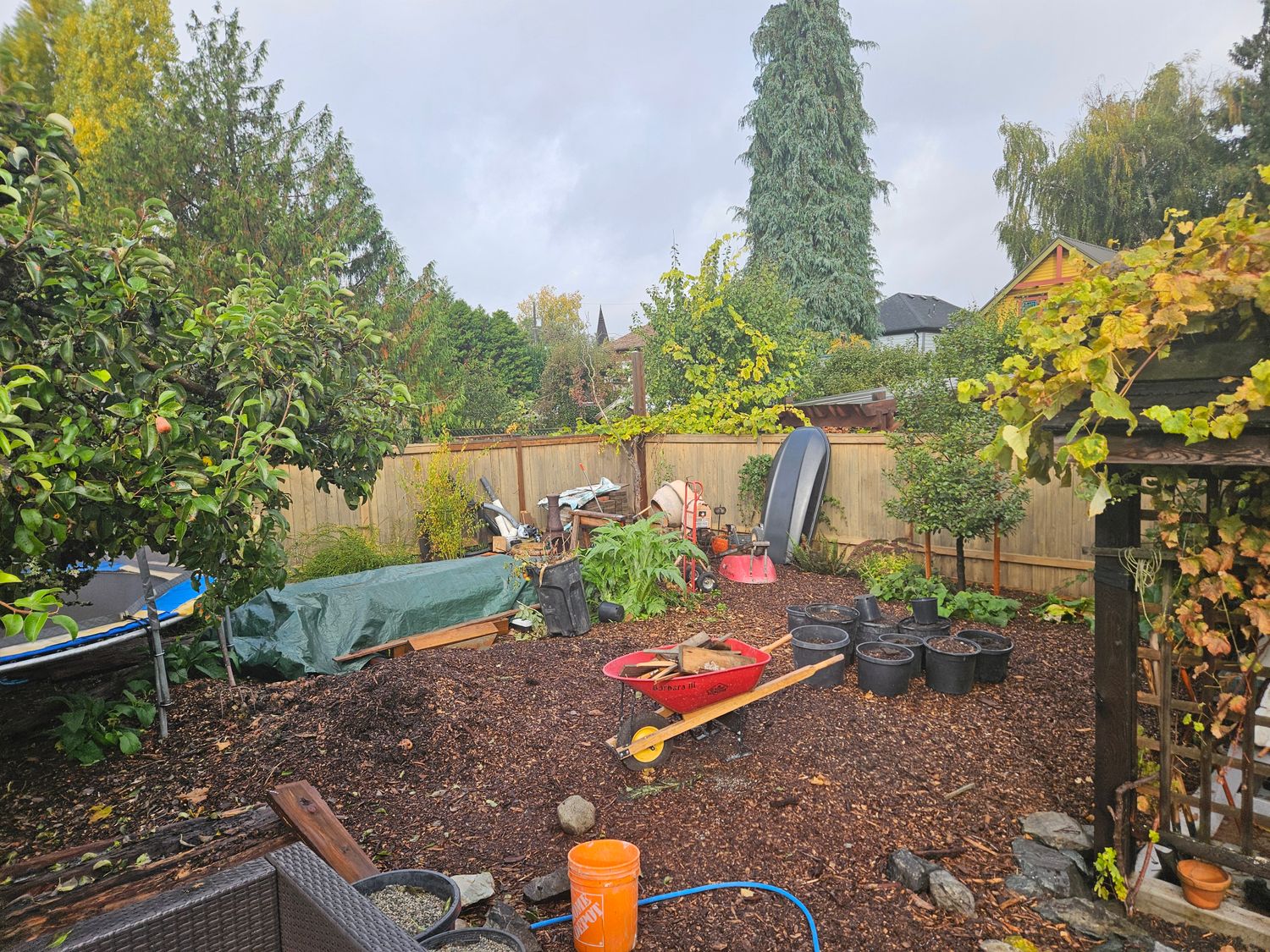
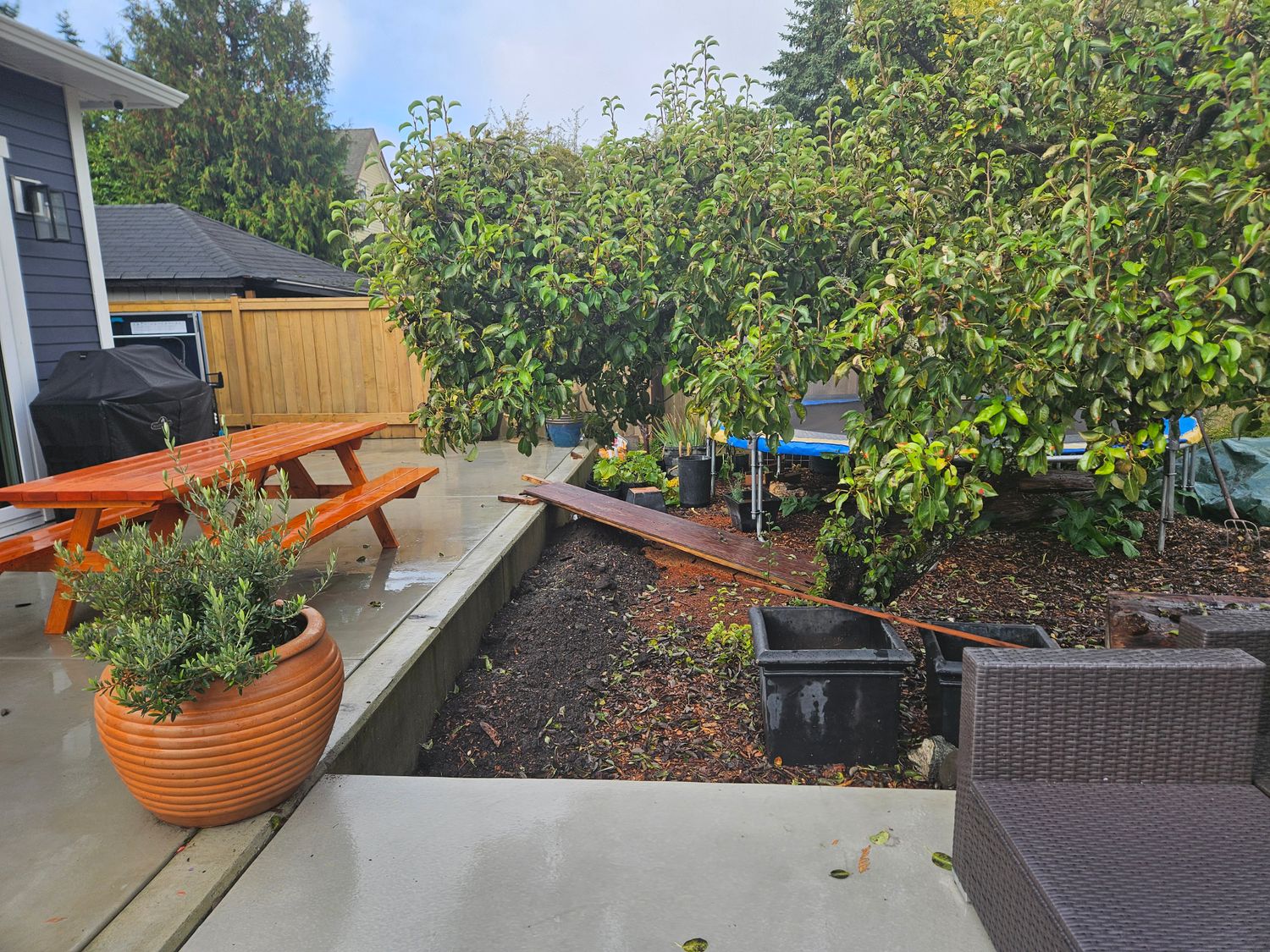
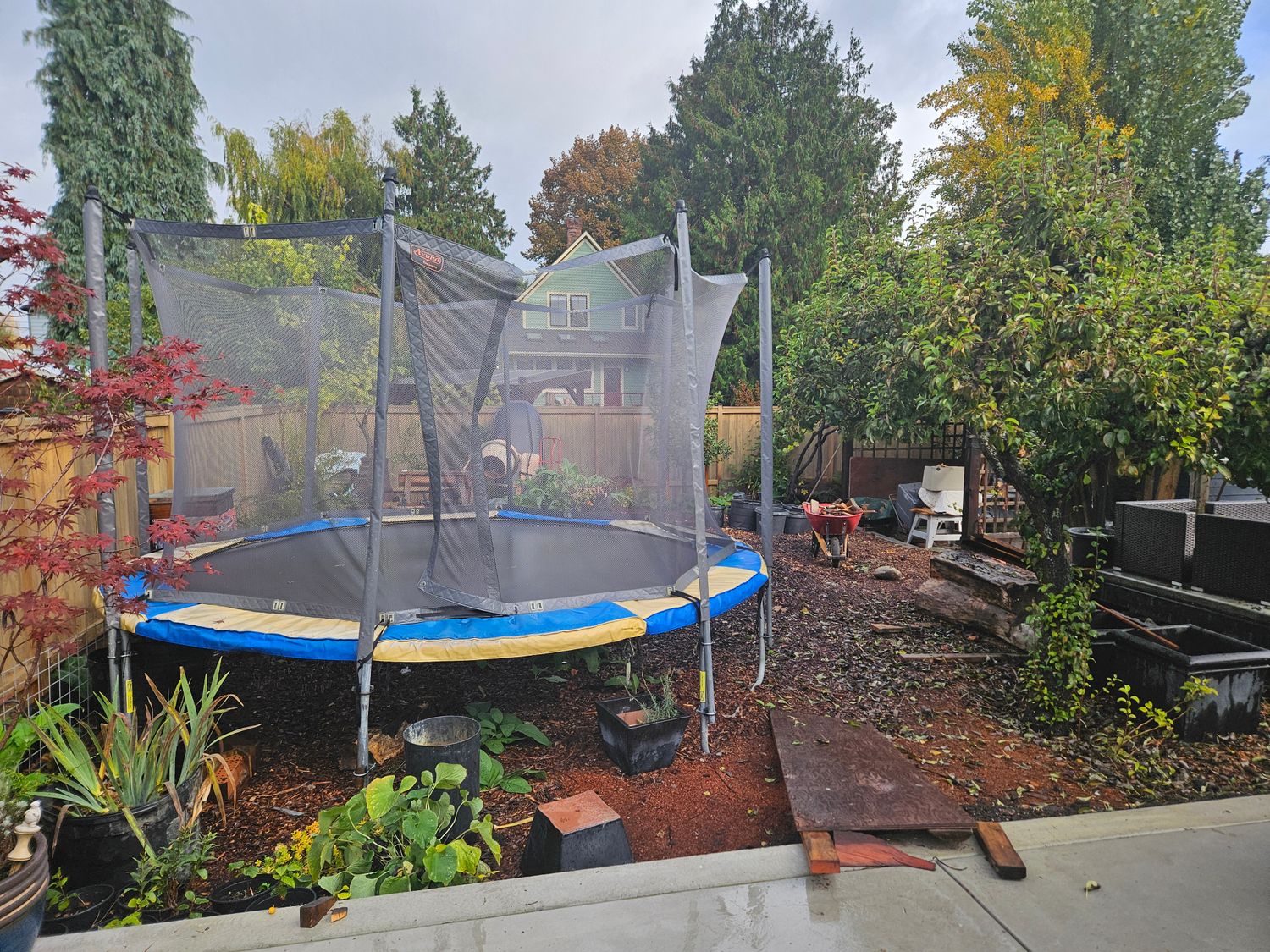
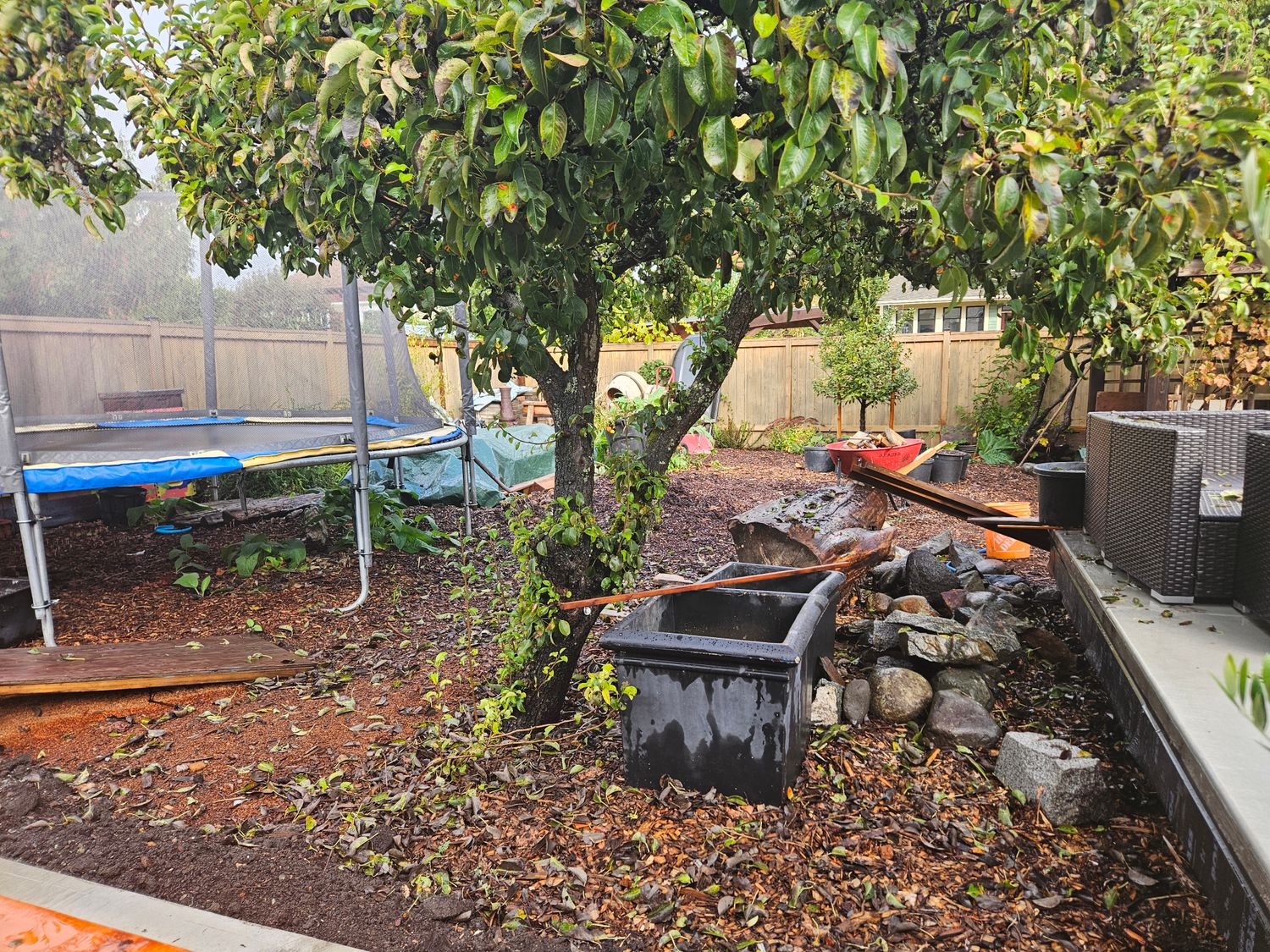
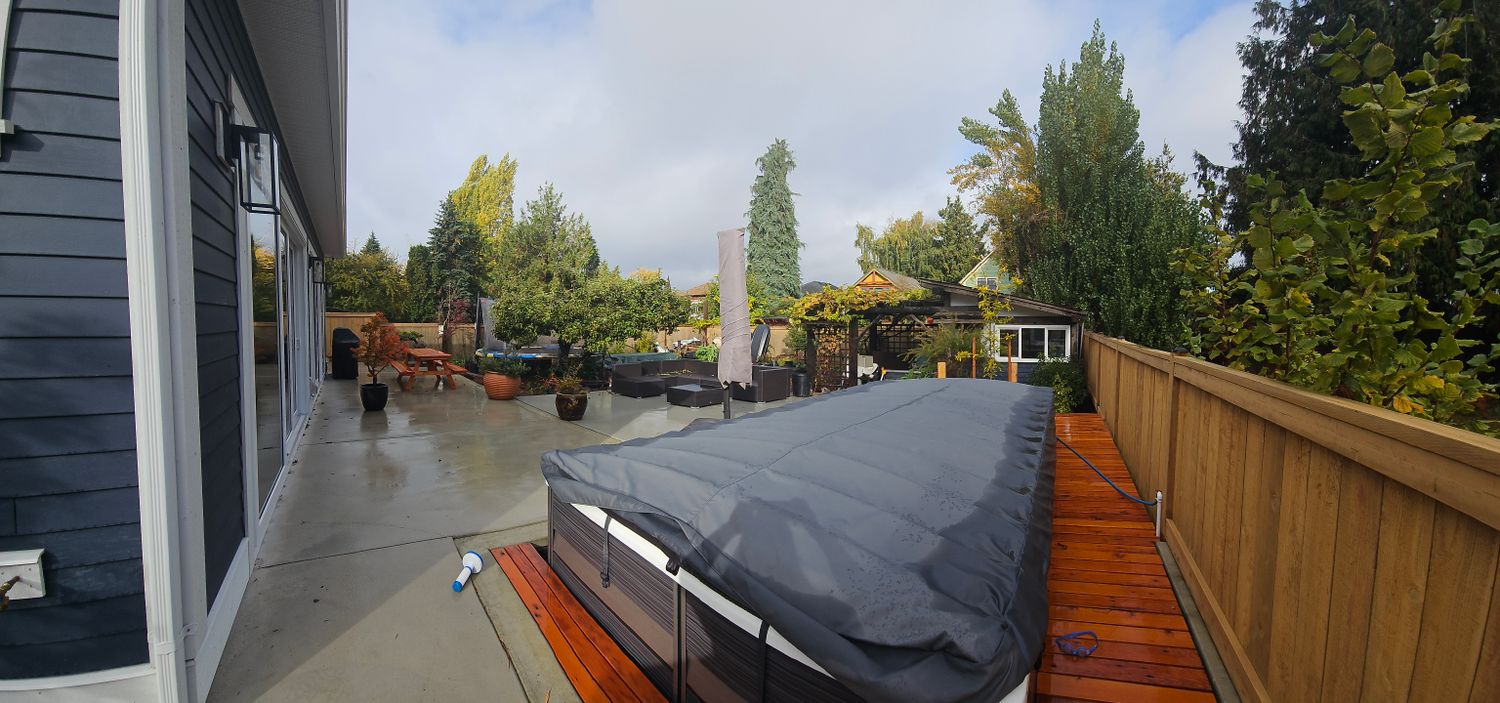
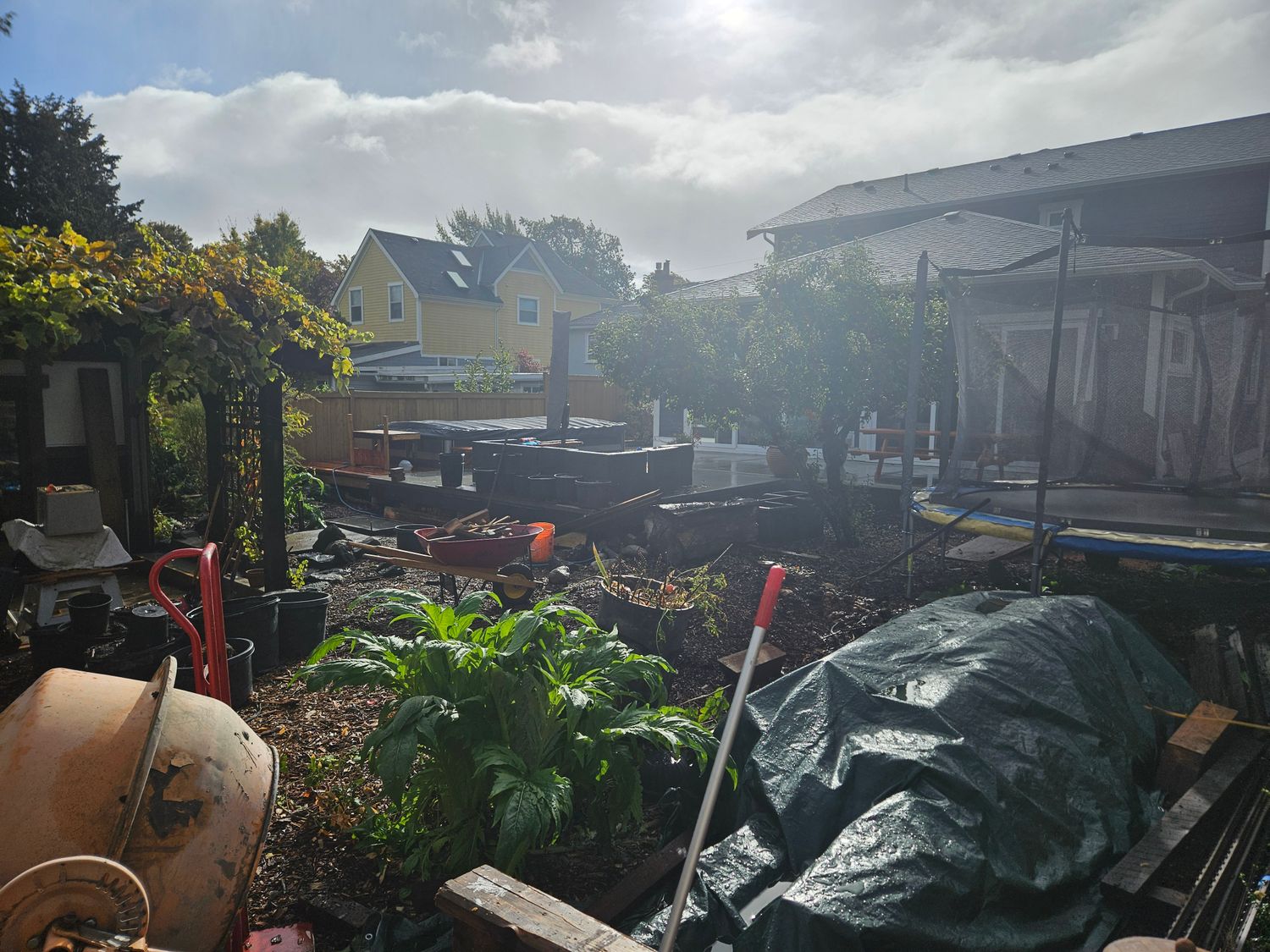
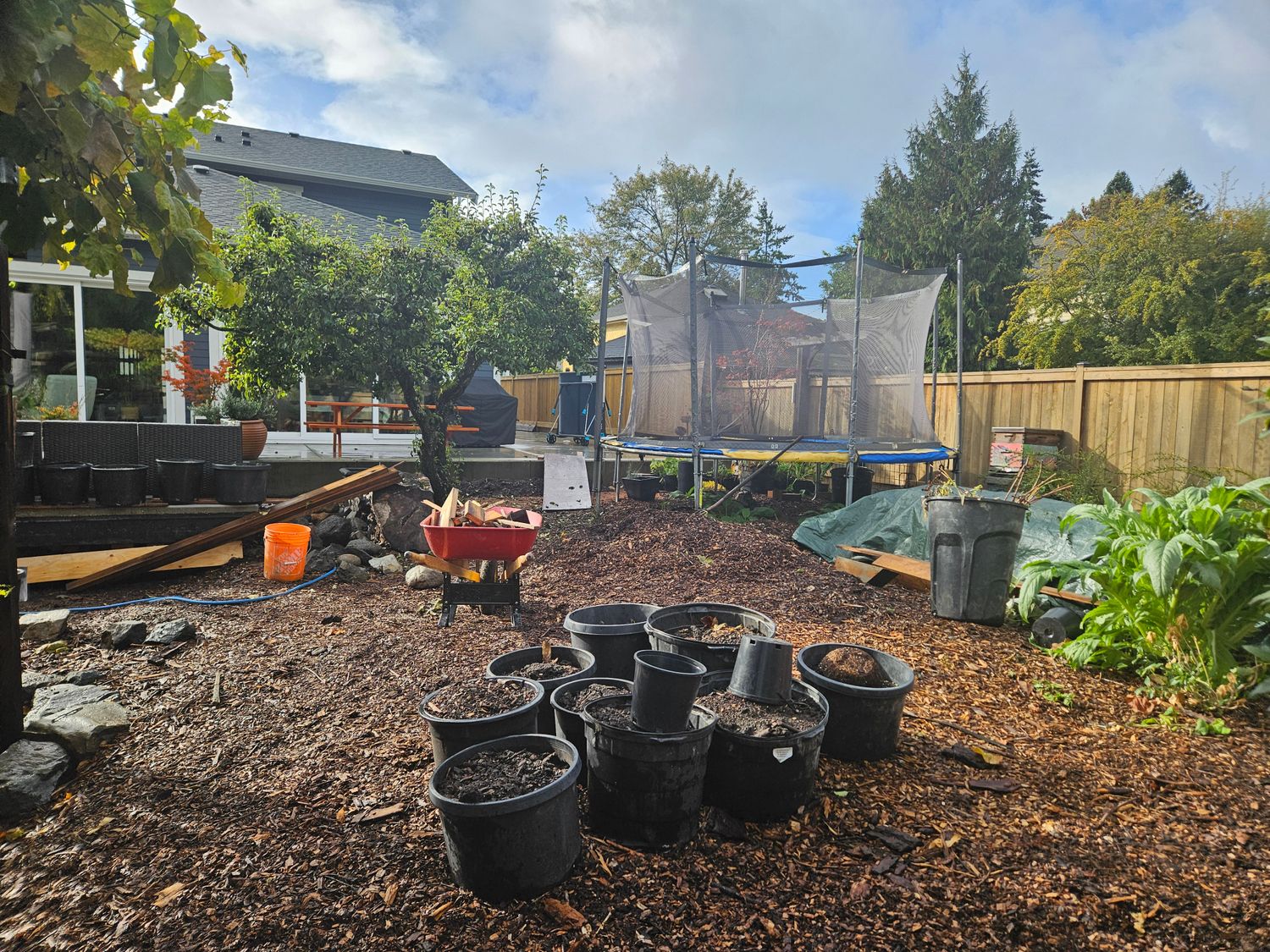
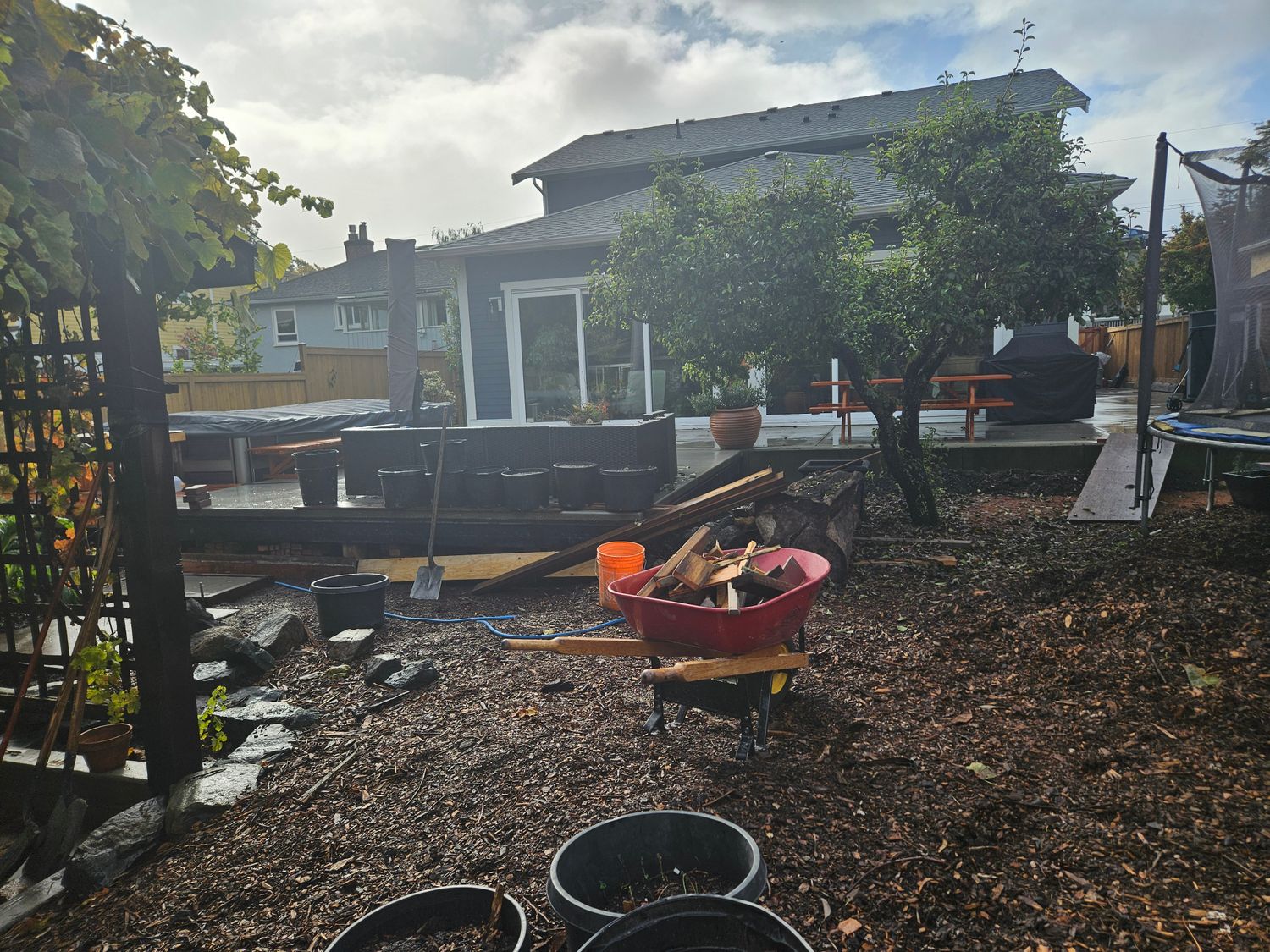
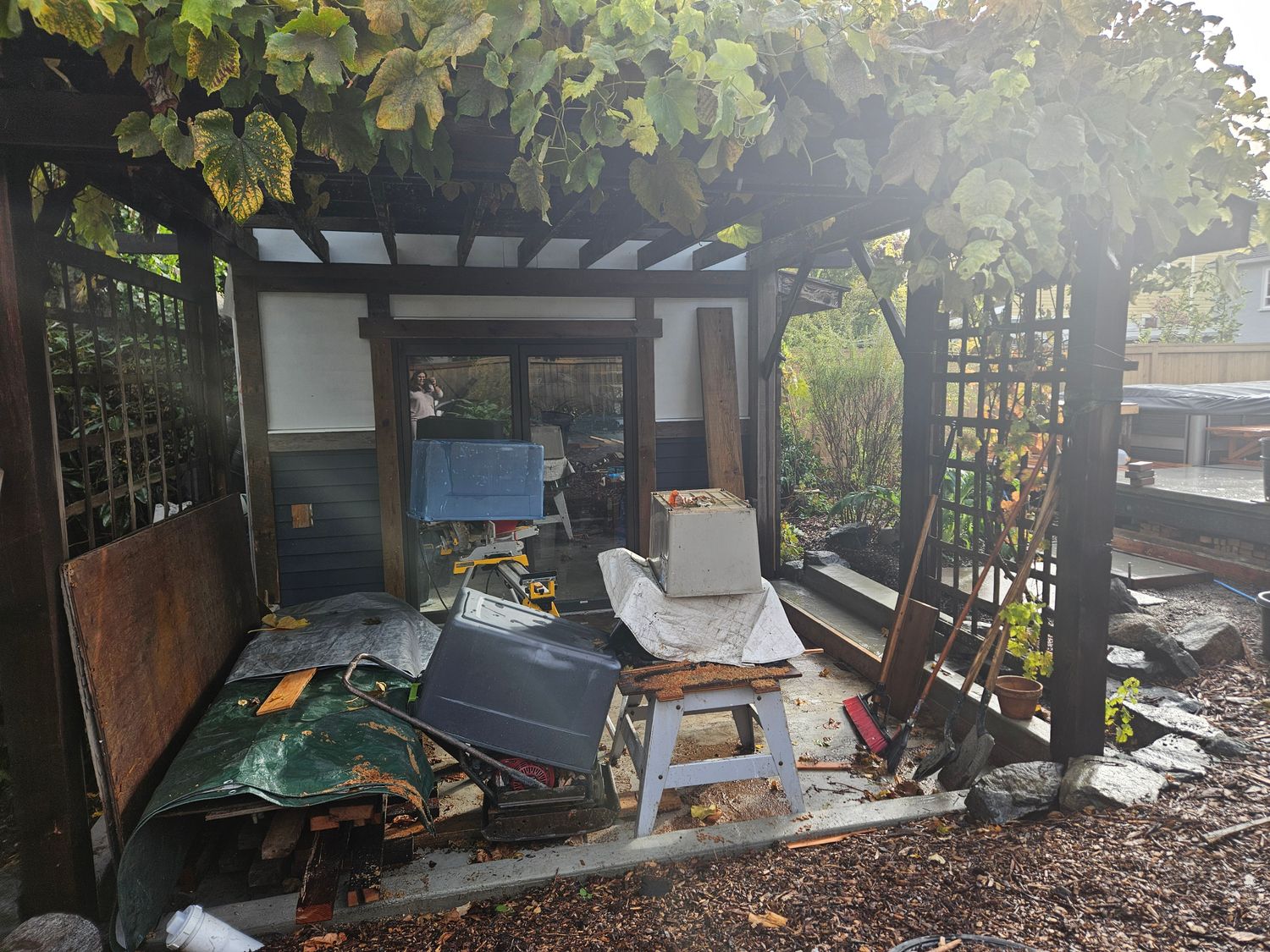
Looking for a cohesive design for our backyard. I love plants, flowers, trees. Would love a comfortable pollinators garden and a space that I can enjoy being in. We have a large concrete deck that I love but feels a bit sterile now. A swim pool and a back shed that all have been built in the last year. There is a large sunken gardent that is a white canvass.
The garden is lower grade than the deck and grade cannot be adjusted so will need to be to remain sunken in.
We need a design that focus on:
- Overall flow
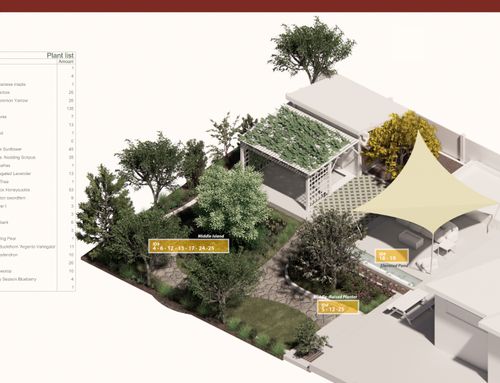
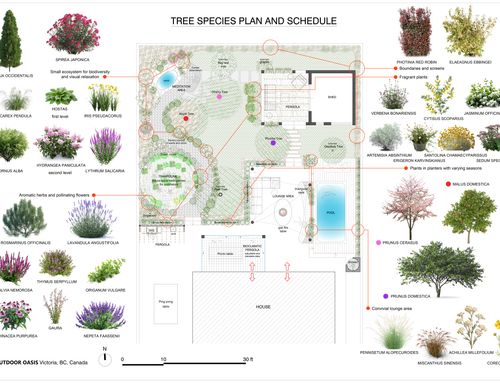
- Plant suggestions, ideally a pollinator garden with at least some native plants.
- A way to deal with the elevation changes especially around the edges of the deck - maybe planting?
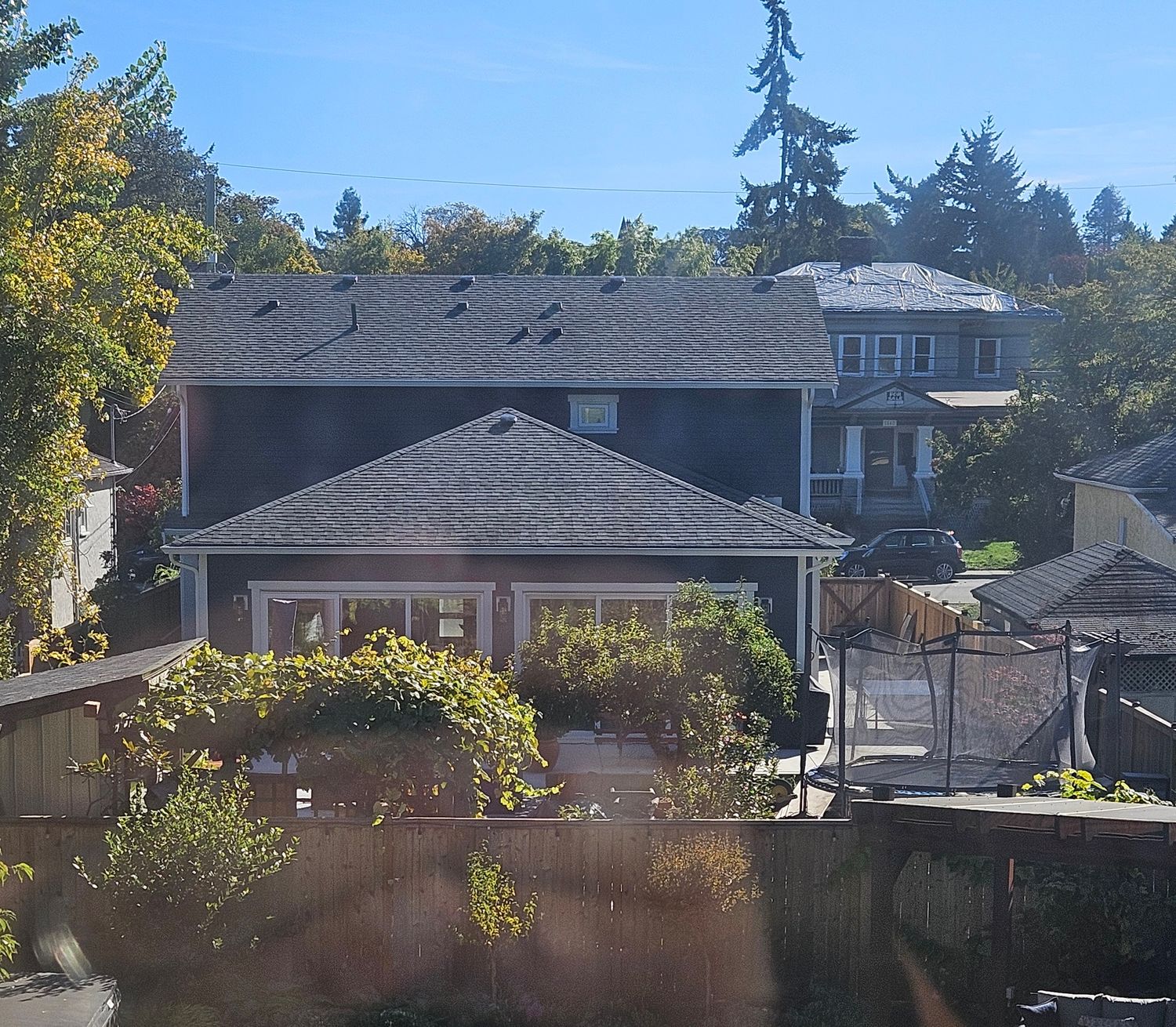
- Suggestion on blocking site lines from back neighbour.
- Ideally no more concrete surfaces in the back (but we do like concrete planters if that is part of the design)
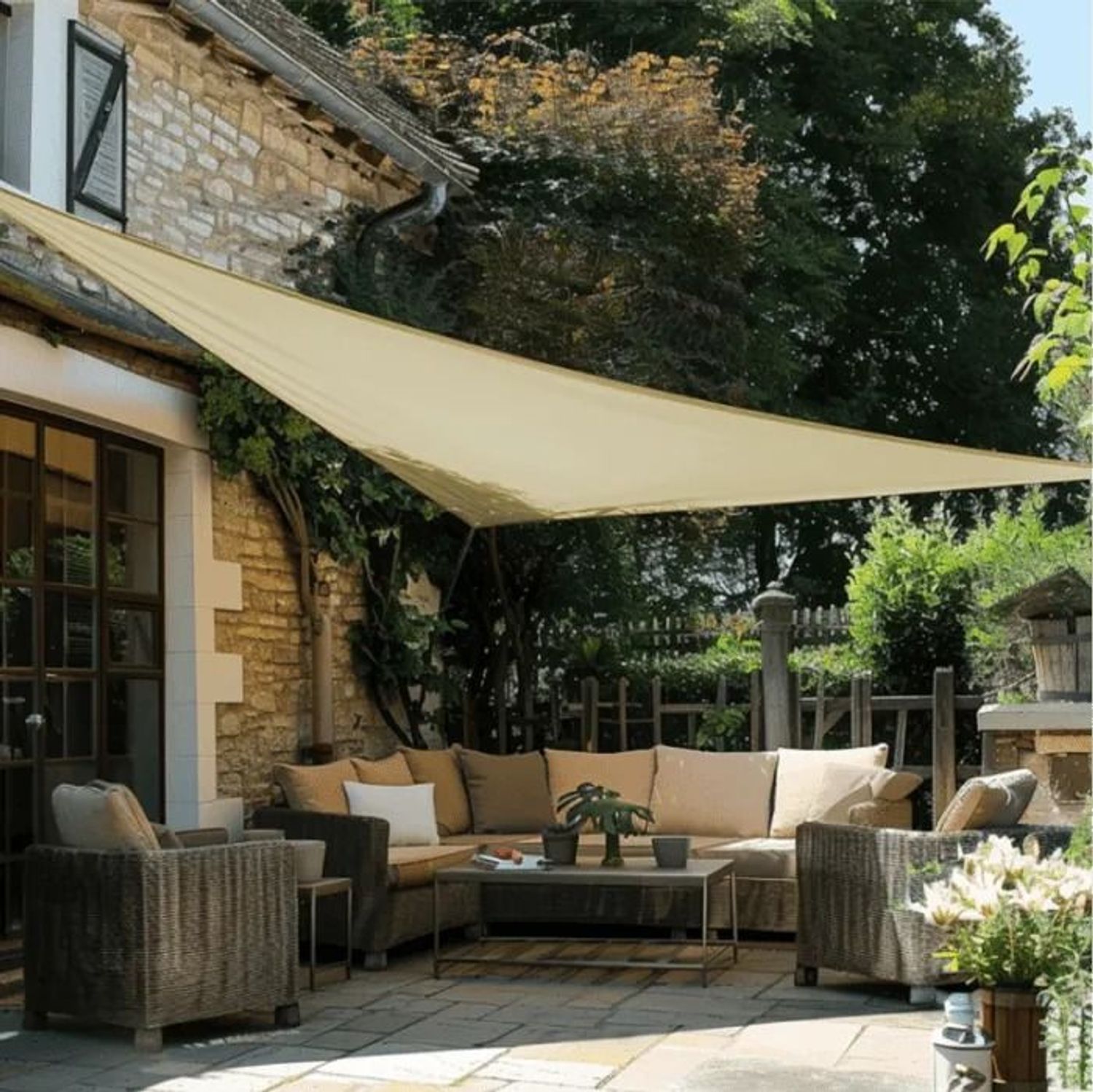
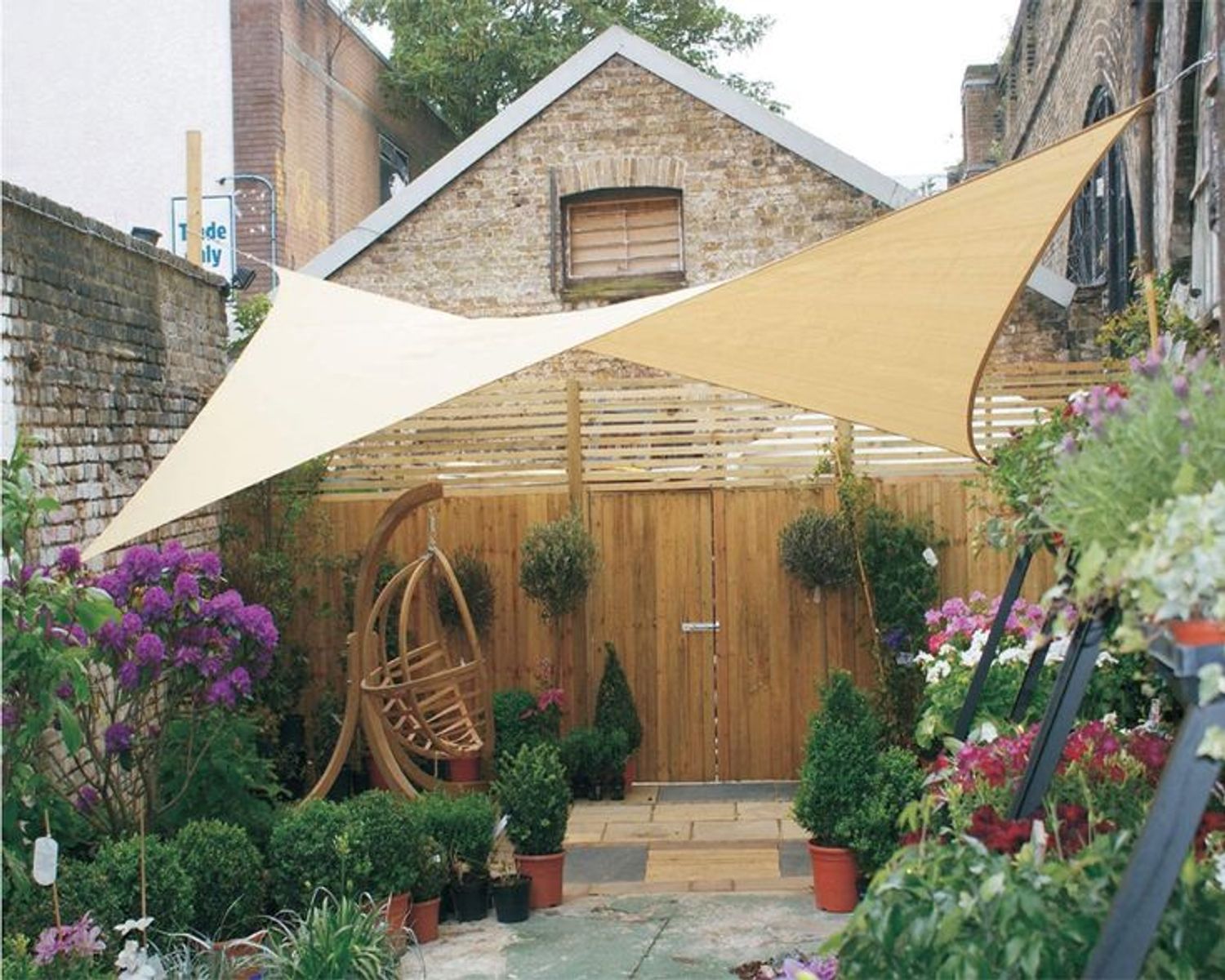
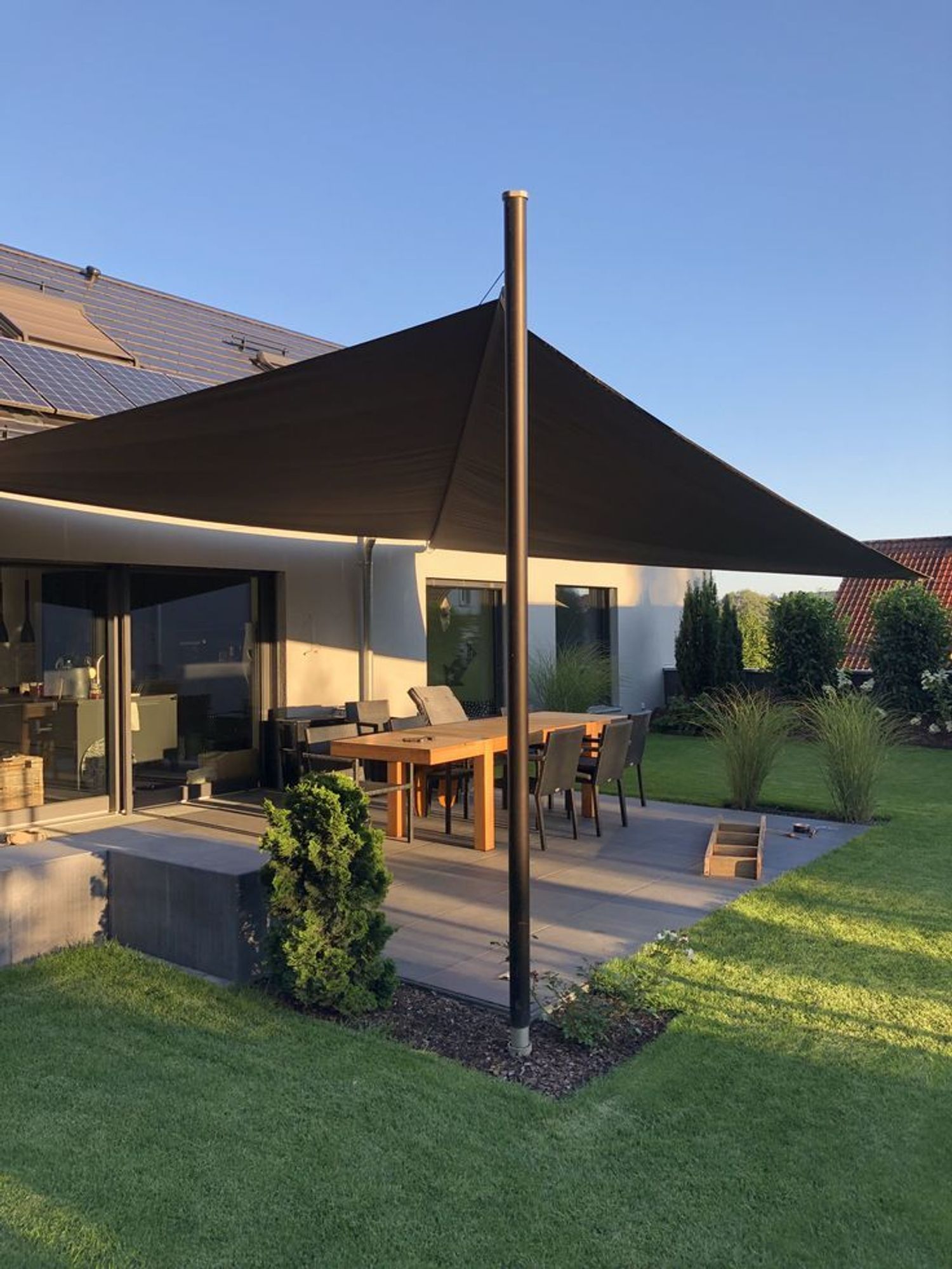
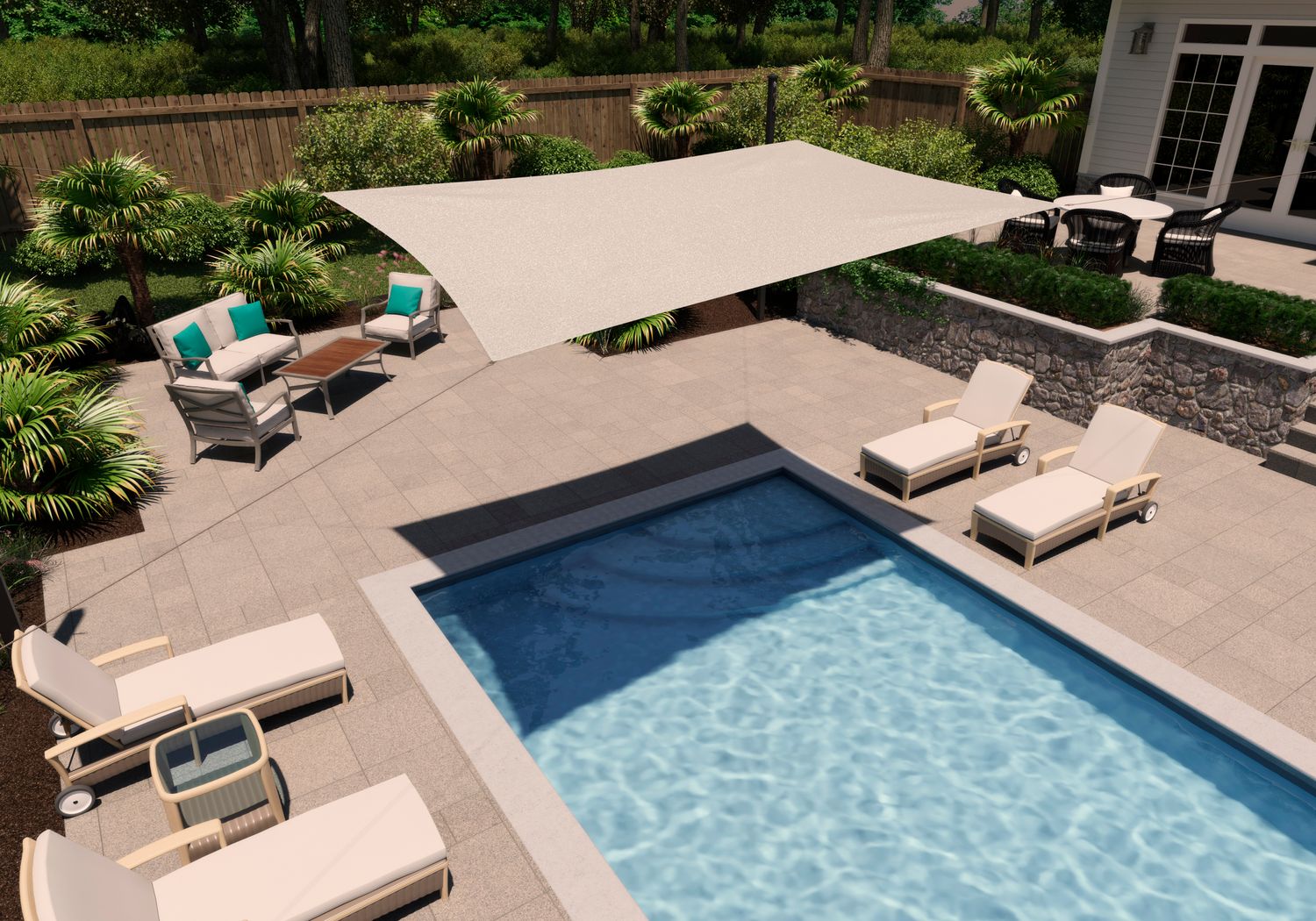
- Suggestions on shade areas for the deck, especially for the sitting area, and above picnic table. Our yard can get quite windy, and the umbrella flew off one too many times. We are thinking shadesails that can be put up in the summer? If that is the case, we need idea on where to install some poles.
- Trampoline will stay for at least another 5 years, but some suggestions on future planning would be welcomed.
- There is gas that can be used in the "sitting" deck for a gas fire table. It is in the middle of where the sitting area is now (not quite the middle of the deck but further to the left away from the pool), and there is another outlet at the line between the deck along the house and the sitting deck (Just about where the 16' marker is on the drawings).
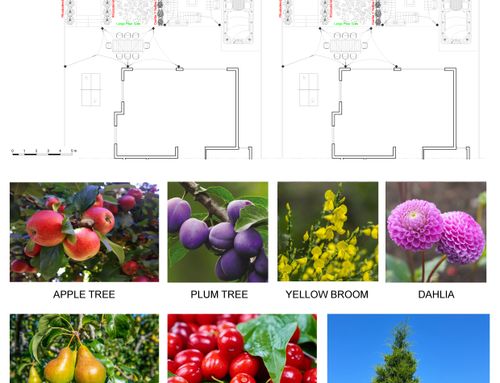
- Our planting zone is 9a/8b - Victoria BC. Just to give you an idea, we can grow apple, pears and plums but not lemon (unless Mayer lemons) or peaches (unless protected under an heave that is South facing, but two of my trees died of cold). Some variety of figs can produce but only the first crop, the second does not mature. Bouganville survives in the summer but not in the winter months outdoors.
- Some native plants here include: rhododentroms, salal, dogwood, cedars - here is an example of a list of native plants. Not that those are the only ones to chose form, but gives you an idea of our climate/plants.
ww.saanich.ca/assets/Community/Documents/Environment/naturescape/HAT_Garden_Brochure_web.pdf
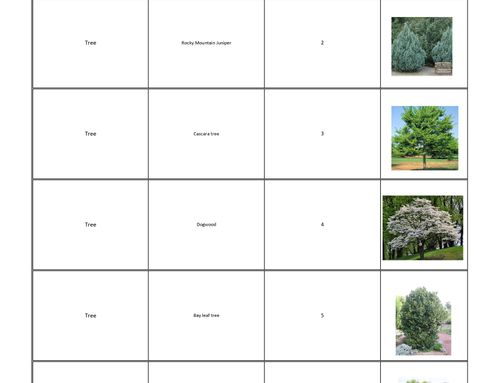
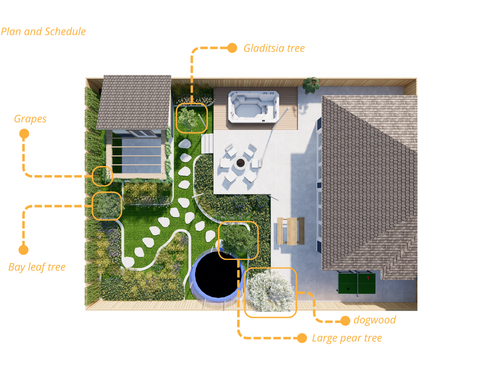
The current trees need to remain as they are required by the City:
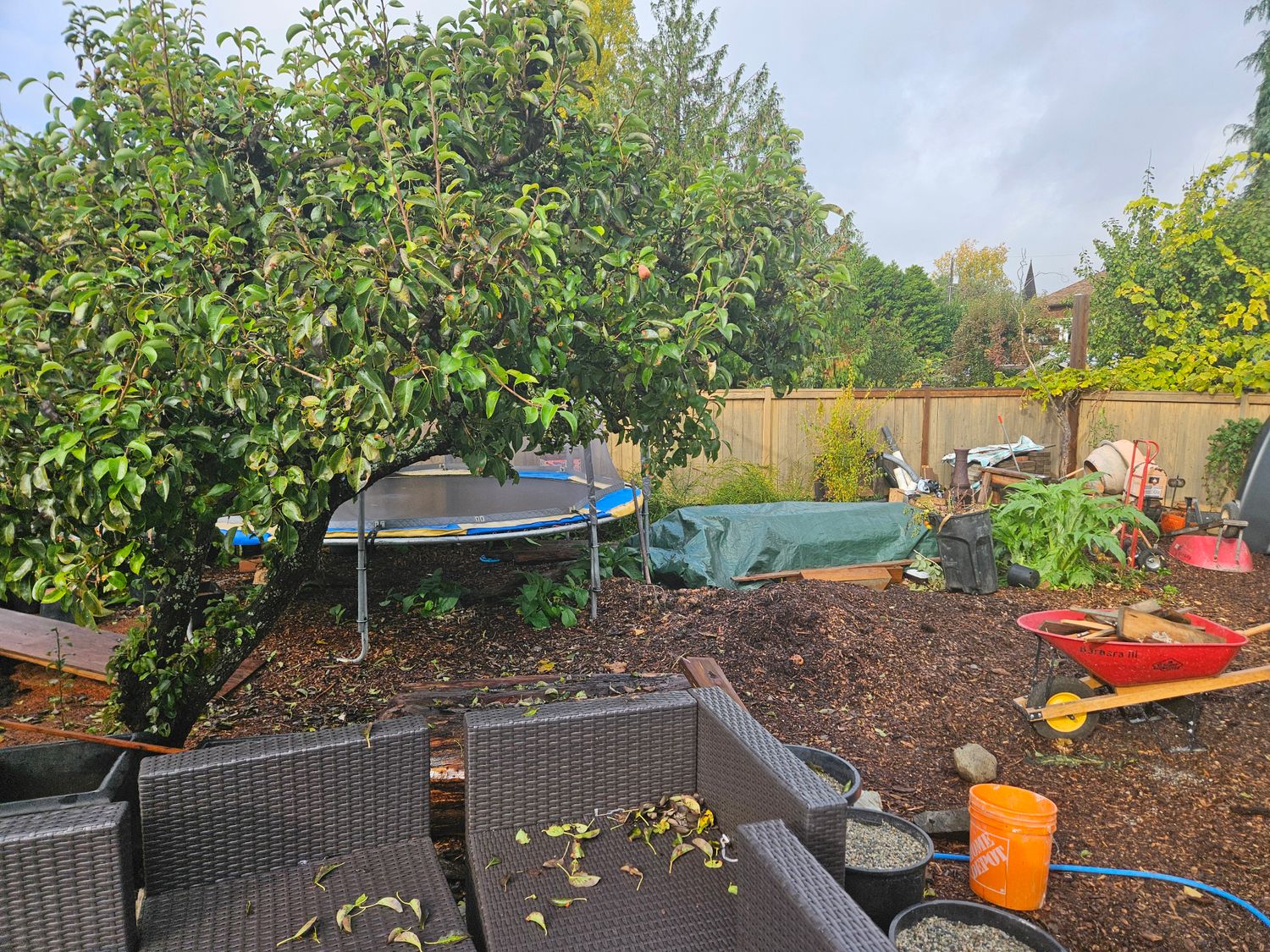
those include: Gladitisia tree, Pear tree and the Bay leaf tree.
There is a daying Maple tree between the fence and the trampoline that needs to be replaced. I was thinking maybe to plant a dogwood.
Feel free to ask any questions/clarification.
I took a lot of pictures of our current yard.
Looking forward to seeing your ideas!
Thank you Barbara and Jamie
SPA:
Buscamos un diseño coherente para nuestro jardín trasero.
Nos encantan las plantas, flores y árboles, y queremos crear un jardín cómodo para polinizadores, un espacio agradable para disfrutar.
Actualmente tenemos una gran terraza de hormigón, que nos gusta pero se siente un poco estéril. En el último año hemos añadido una piscina y un cobertizo.
También hay un jardín hundido, completamente vacío, que es como un lienzo en blanco.
El nivel del jardín está por debajo del de la terraza, y no se puede modificar, por lo que deberá mantenerse hundido.
El diseño debe centrarse en:
El flujo general y la coherencia del conjunto;
Sugerencias de plantas, idealmente con especies nativas y atractivas para los polinizadores;
Soluciones para las diferencias de altura, especialmente en los bordes de la terraza — por ejemplo, con plantaciones;
Ideas para bloquear la vista desde los vecinos del fondo;
Evitar más superficies de hormigón, aunque aceptamos jardineras de hormigón dentro del diseño;
Zonas de sombra para la terraza, especialmente en el área de estar y sobre la mesa del comedor. Nuestro jardín suele ser ventoso y los paraguas vuelan con facilidad, por eso pensamos en velas de sombra desmontables para el verano; necesitamos ideas sobre dónde colocar los postes;
El trampolín permanecerá al menos otros 5 años, pero agradeceríamos sugerencias para planificar el futuro;
Hay tomas de gas en la terraza de estar, pensadas para una mesa con fuego de gas, ubicada a la izquierda de la piscina, y otra entre la casa y la terraza principal (aproximadamente donde está la marca de “16’” en los planos);
Nuestra zona de cultivo es 9a/8b – Victoria, BC. Podemos cultivar manzanas, peras y ciruelas, pero no limones (salvo Meyer) ni melocotones (a menos que estén protegidos). Algunas variedades de higos producen solo la primera cosecha. La buganvilla sobrevive en verano pero no en invierno.
Plantas nativas: rododendros, salal, cornejo y cedros (ver lista en el folleto vinculado).
Los árboles existentes deben mantenerse según las normas municipales:
Gleditsia, peral y laurel.
Hay un arce moribundo cerca del trampolín que debe reemplazarse — pensamos en plantar un cornejo.
Hemos tomado muchas fotos del jardín actual y estamos deseando ver vuestras ideas.
Gracias,
Barbara y Jamie
ITA:
Cerchiamo un progetto coerente per il nostro giardino sul retro.
Amiamo piante, fiori e alberi, e desideriamo creare un giardino accogliente per impollinatori, uno spazio confortevole e piacevole da vivere.
Attualmente abbiamo un ampio patio in cemento, che ci piace ma risulta un po’ sterile. Negli ultimi mesi abbiamo realizzato anche una piscina e un capanno.
C’è un giardino ribassato, oggi completamente vuoto, che rappresenta una vera e propria tela bianca.
Il livello del giardino è più basso rispetto al patio, e il dislivello non può essere modificato, quindi dovrà rimanere “incassato”.
Il progetto dovrebbe concentrarsi su:
Flusso e armonia complessiva degli spazi;
Suggerimenti per le piante, idealmente con specie native e favorevoli agli impollinatori;
Gestione delle differenze di quota, soprattutto lungo i bordi del patio – ad esempio con piantumazioni decorative;
Soluzioni per garantire privacy dai vicini sul retro;
Evitare nuove superfici in cemento, ma accettiamo l’uso di fioriere in cemento come parte del design;
Zone d’ombra per il patio, soprattutto nell’area lounge e sopra il tavolo da pranzo. Il nostro giardino è spesso ventoso e gli ombrelloni volano via facilmente: pensavamo a vele ombreggianti rimovibili per l’estate – servirebbero quindi idee su dove posizionare i pali di supporto;
Il trampolino rimarrà per almeno altri 5 anni, ma vorremmo anche suggerimenti per la pianificazione futura;
È presente una presa per il gas nel patio lounge, pensata per un tavolo con braciere a gas, situata a sinistra della piscina, e un’altra tra la casa e il patio principale (in corrispondenza del segno “16’” nei disegni);
La nostra zona climatica è 9a/8b – Victoria, BC. Possiamo coltivare mele, pere e prugne, ma non limoni (eccetto i Meyer) o pesche (se non protette). Alcune varietà di fichi producono solo il primo raccolto. La bouganville sopravvive d’estate ma non d’inverno.
Tra le piante native: rododendri, salal, corniolo e cedri (vedi elenco nel documento collegato).
I tre alberi esistenti devono restare in posizione, come richiesto dal Comune:
Gleditsia, pero e alloro.
C’è anche un acero morente vicino al trampolino, che andrà sostituito – pensavamo con un corniolo.
Abbiamo molte foto del giardino attuale e non vediamo l’ora di scoprire le vostre idee!
Grazie,
Barbara e Jamie