🔥 CYBER MONDAY 24H: 60% off all prices on the site! Only until midnight. Use code CYBERMONDAY25 👉🏼


Roma, Metropolitan City of Rome Capital, Italy
Residential - Apartment
Residenza Parco: A Contemporary Subdivision of Roman Rationalism
Architectural Design Proposal • 2026
01. Executive Summary
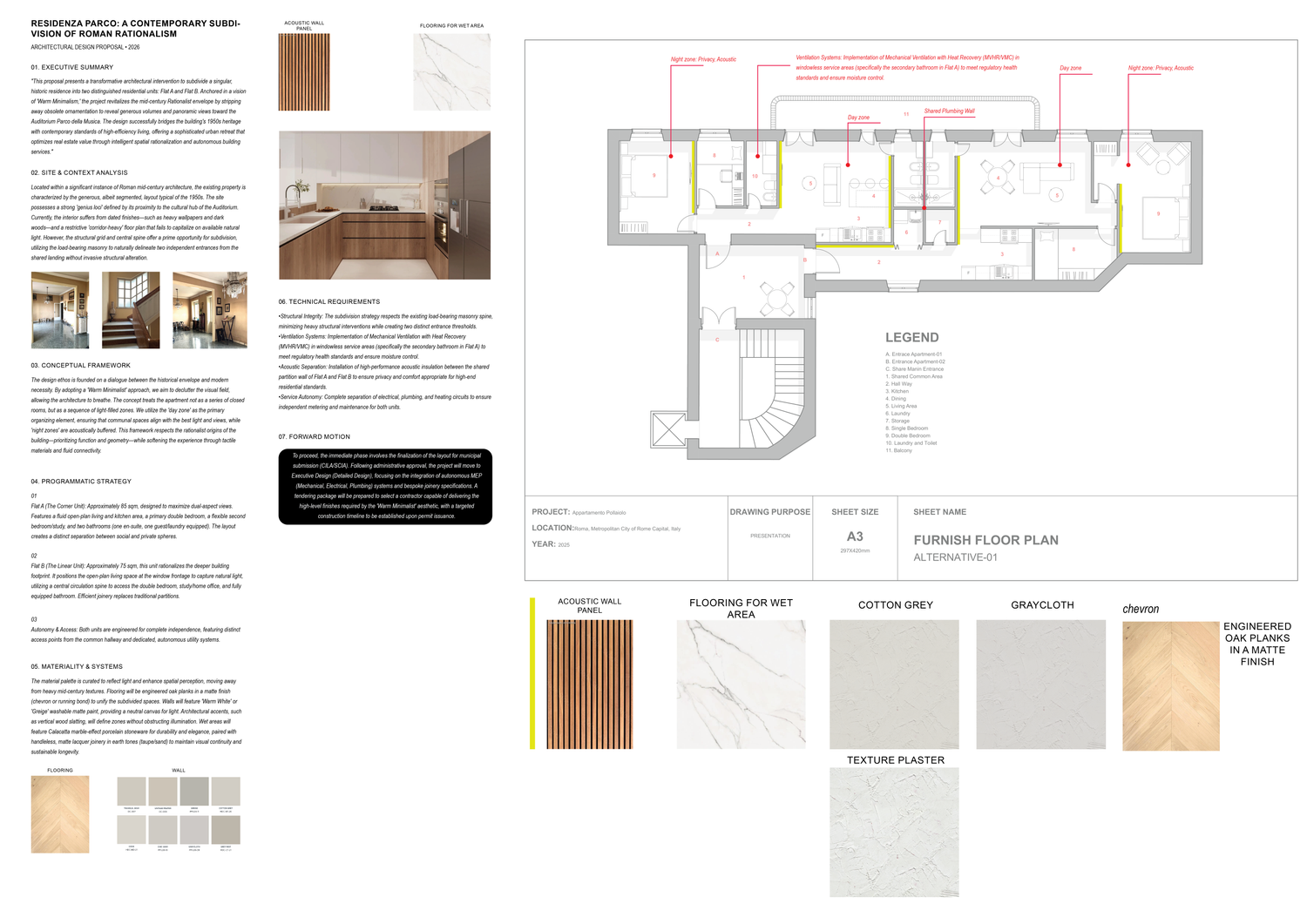
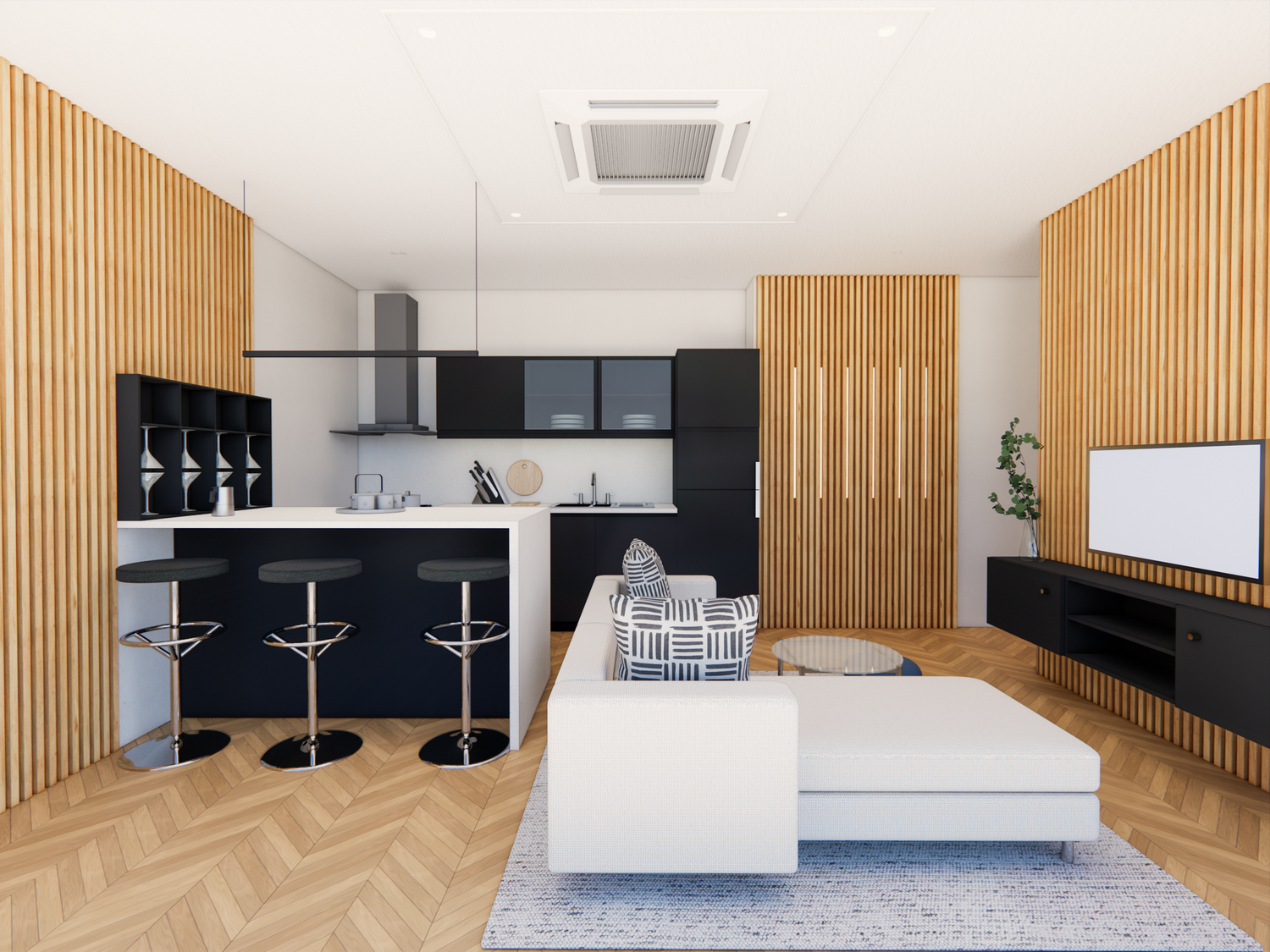
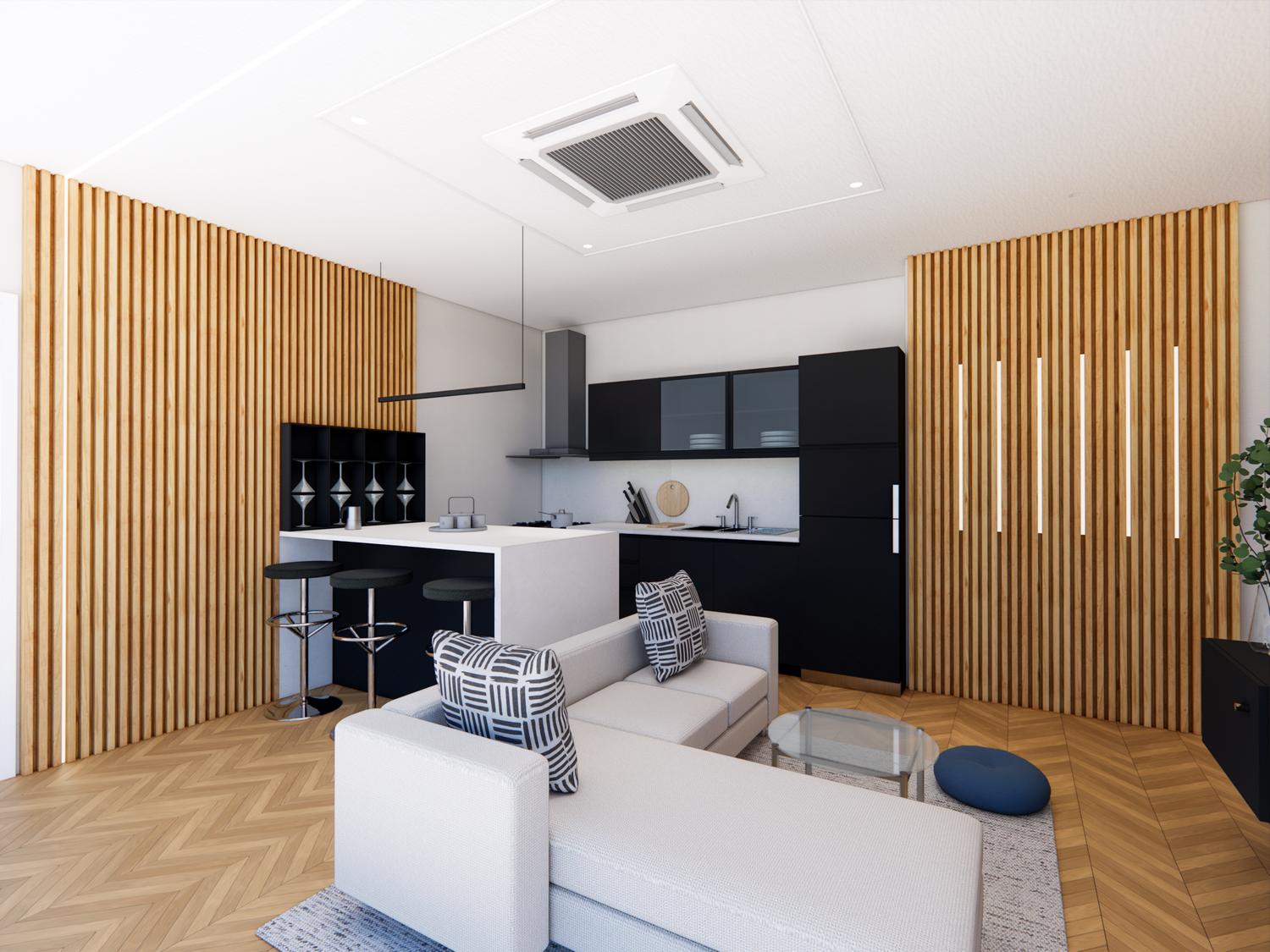
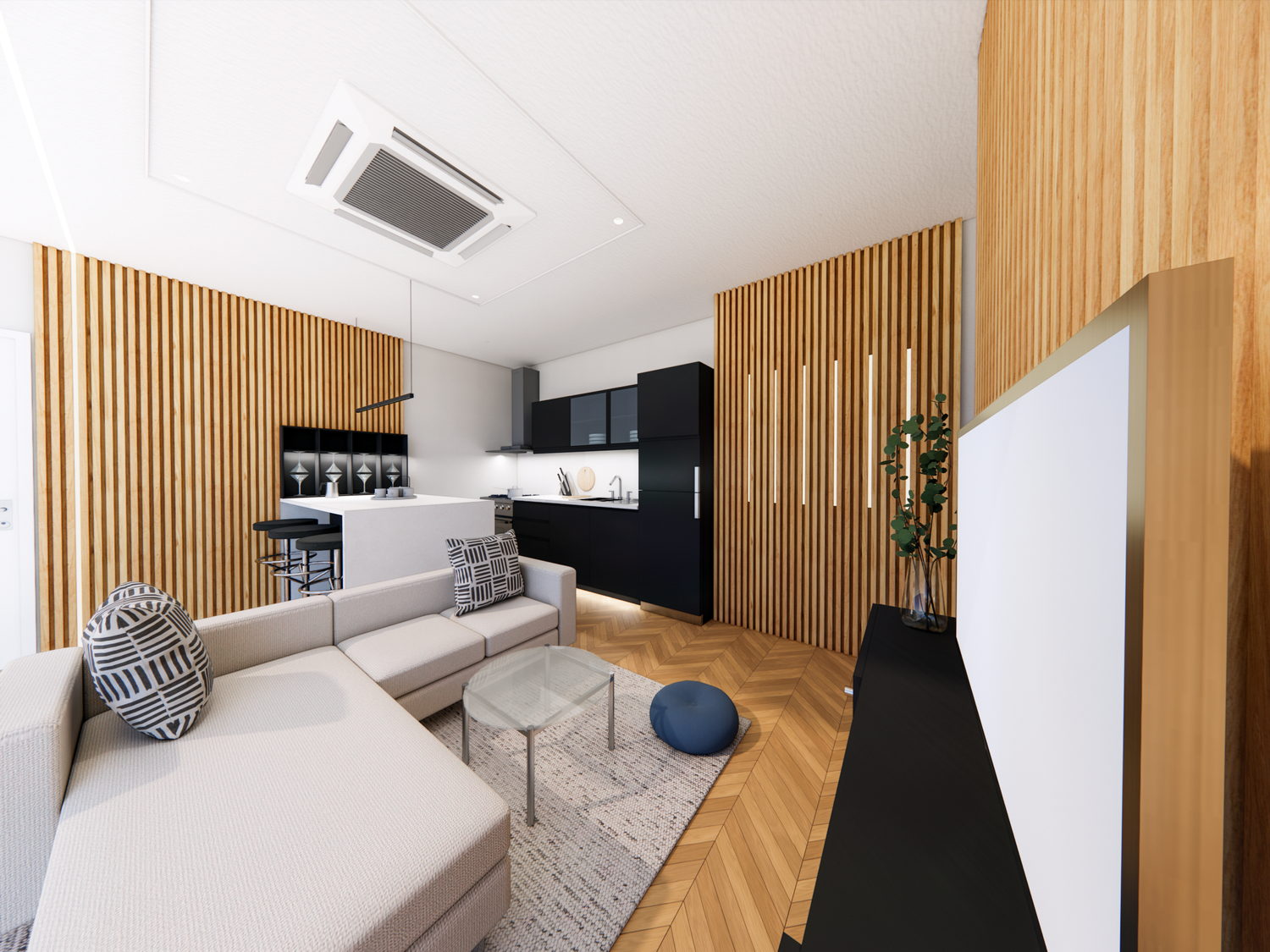
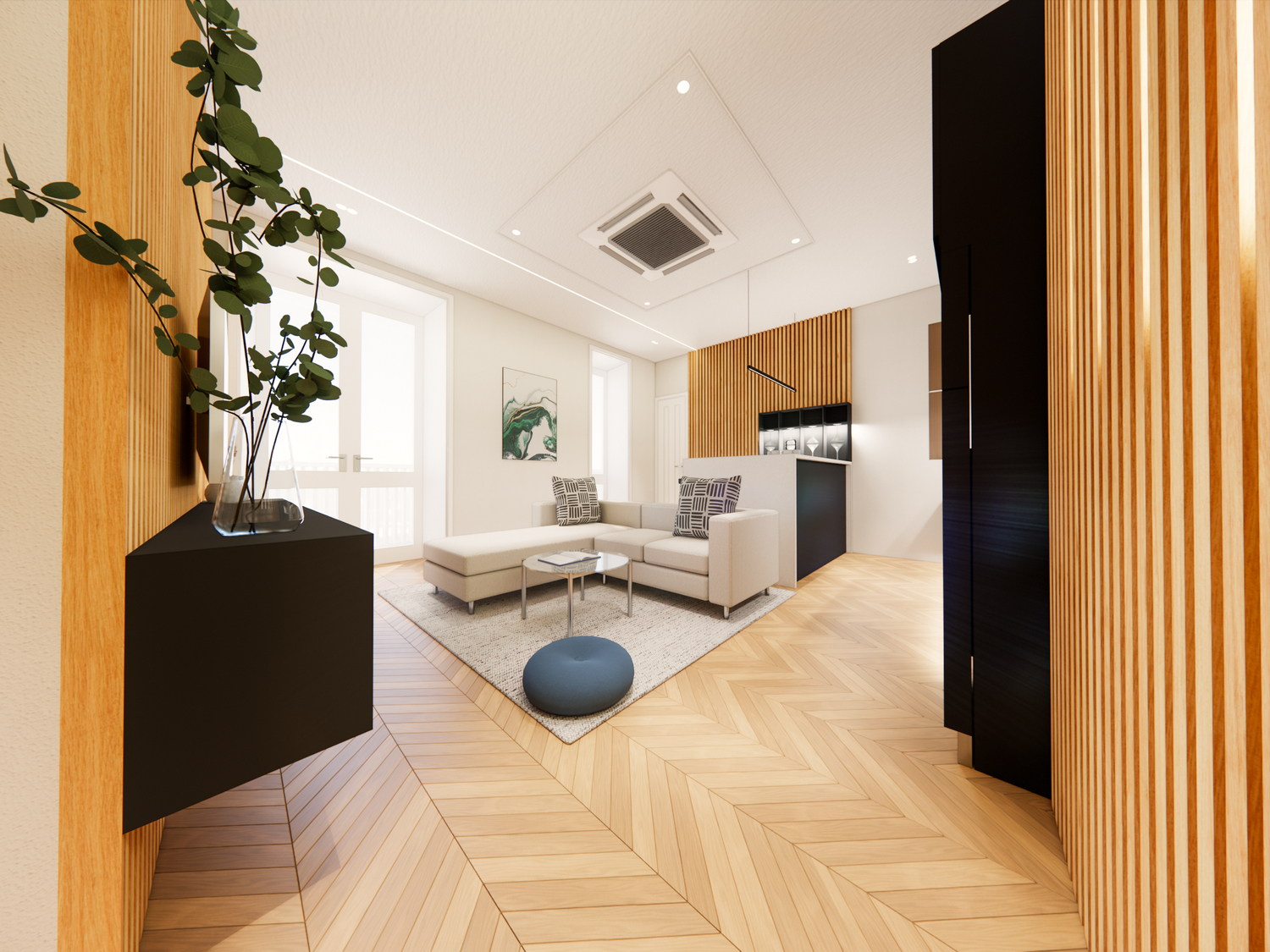
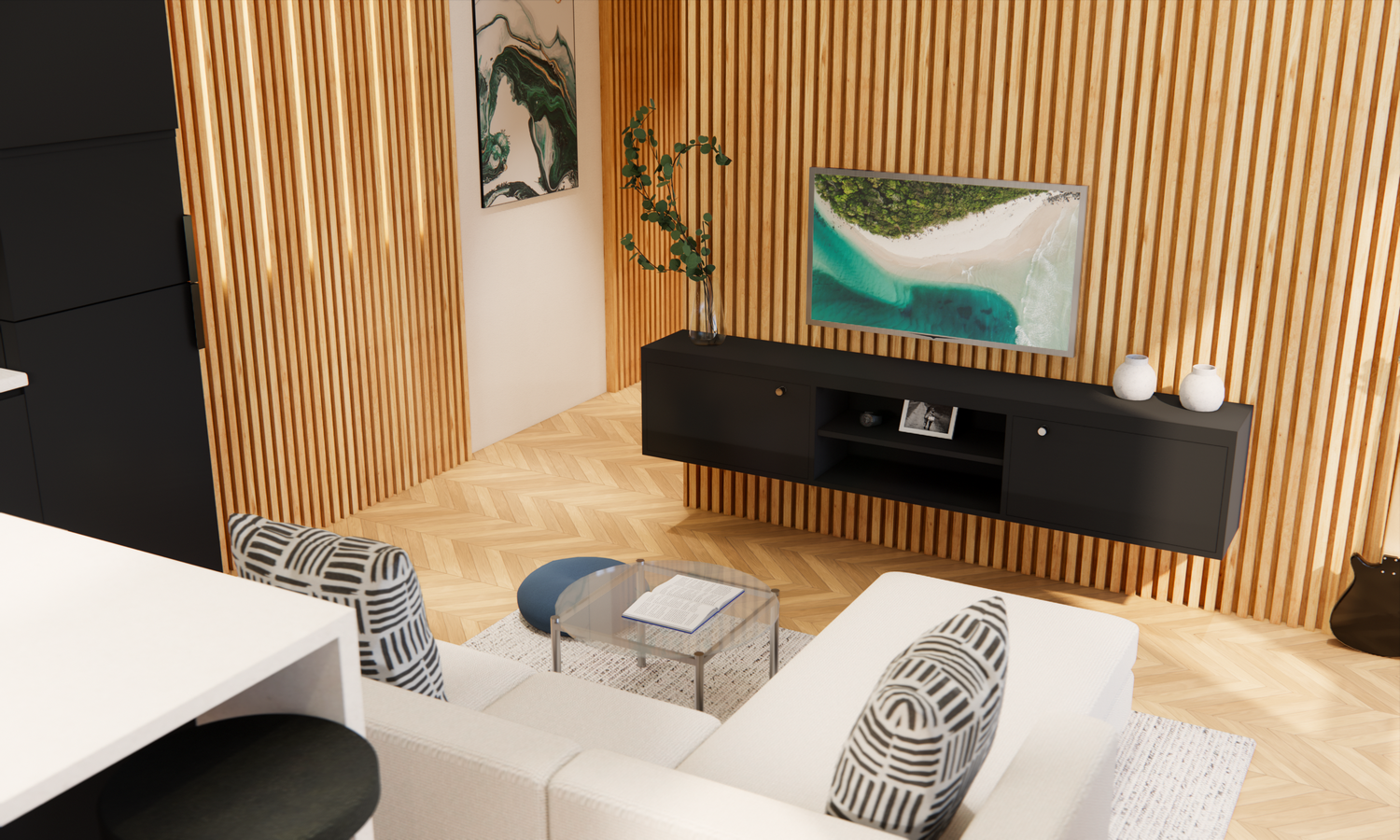
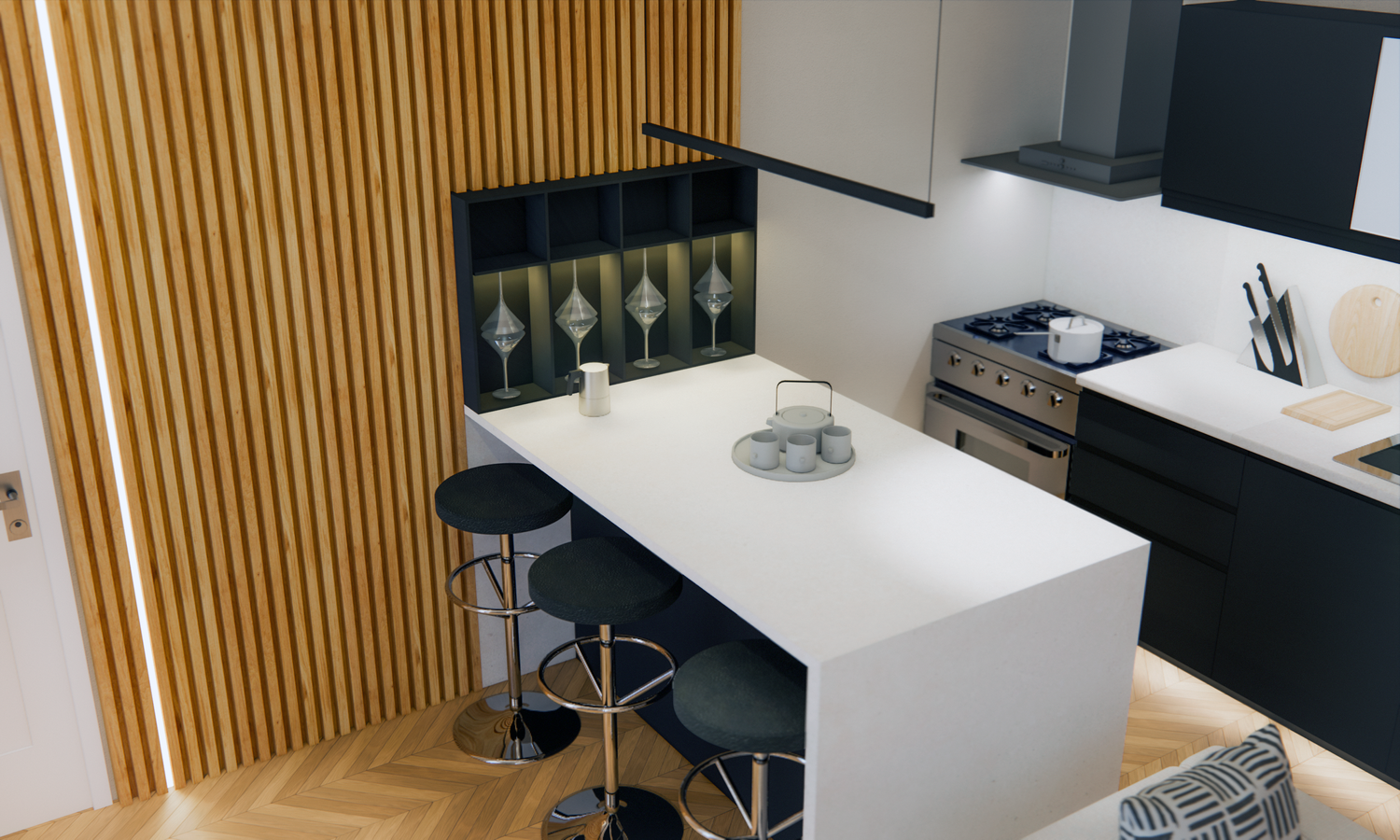
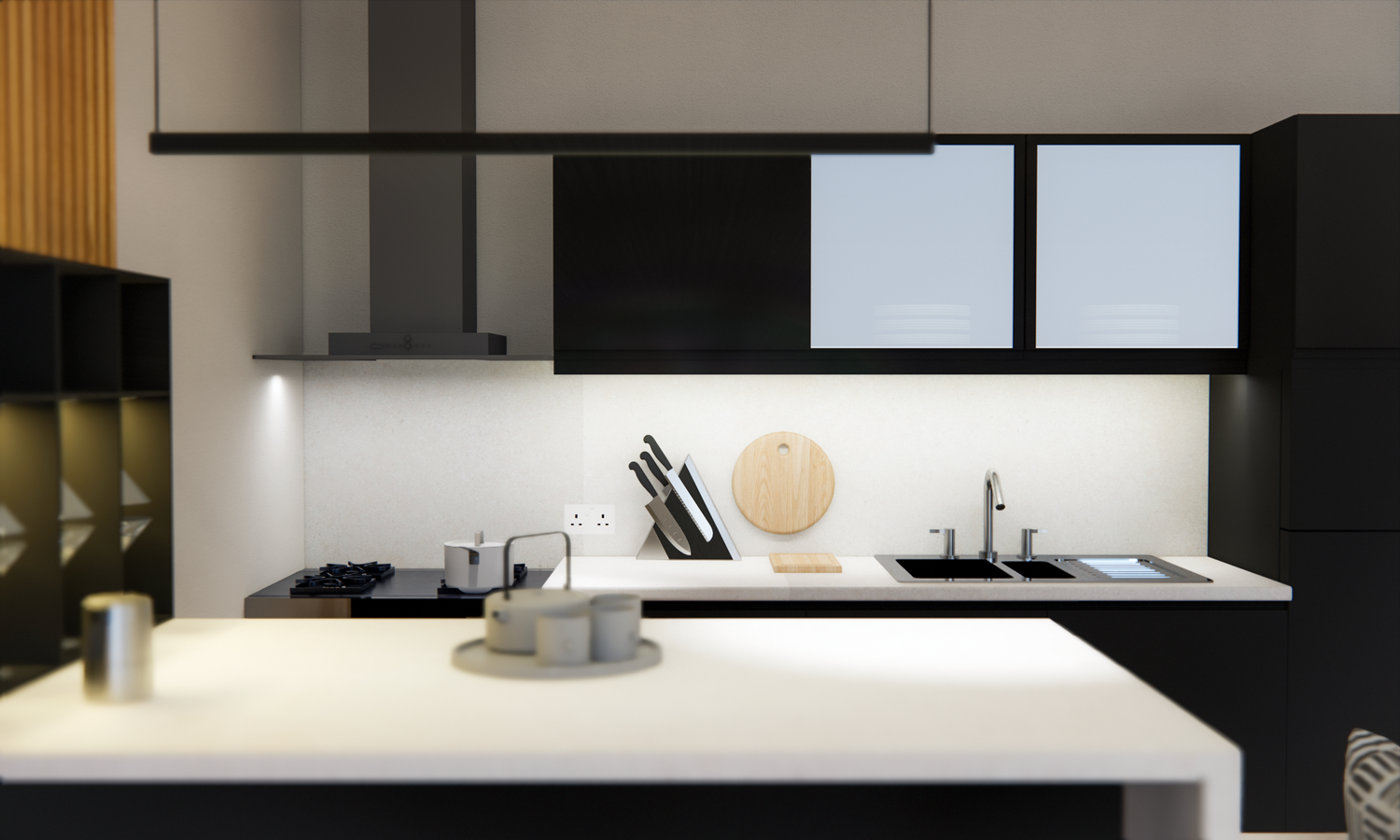
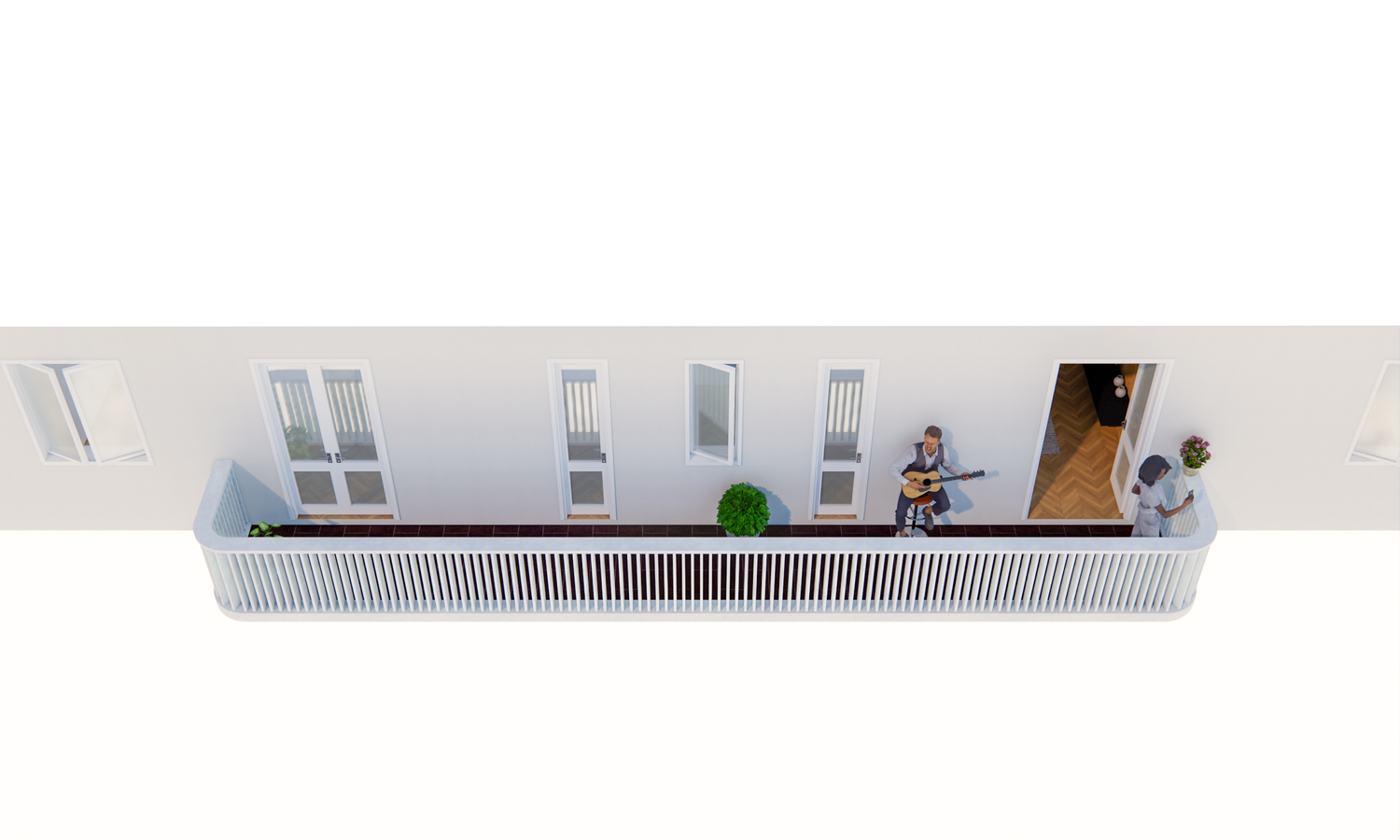
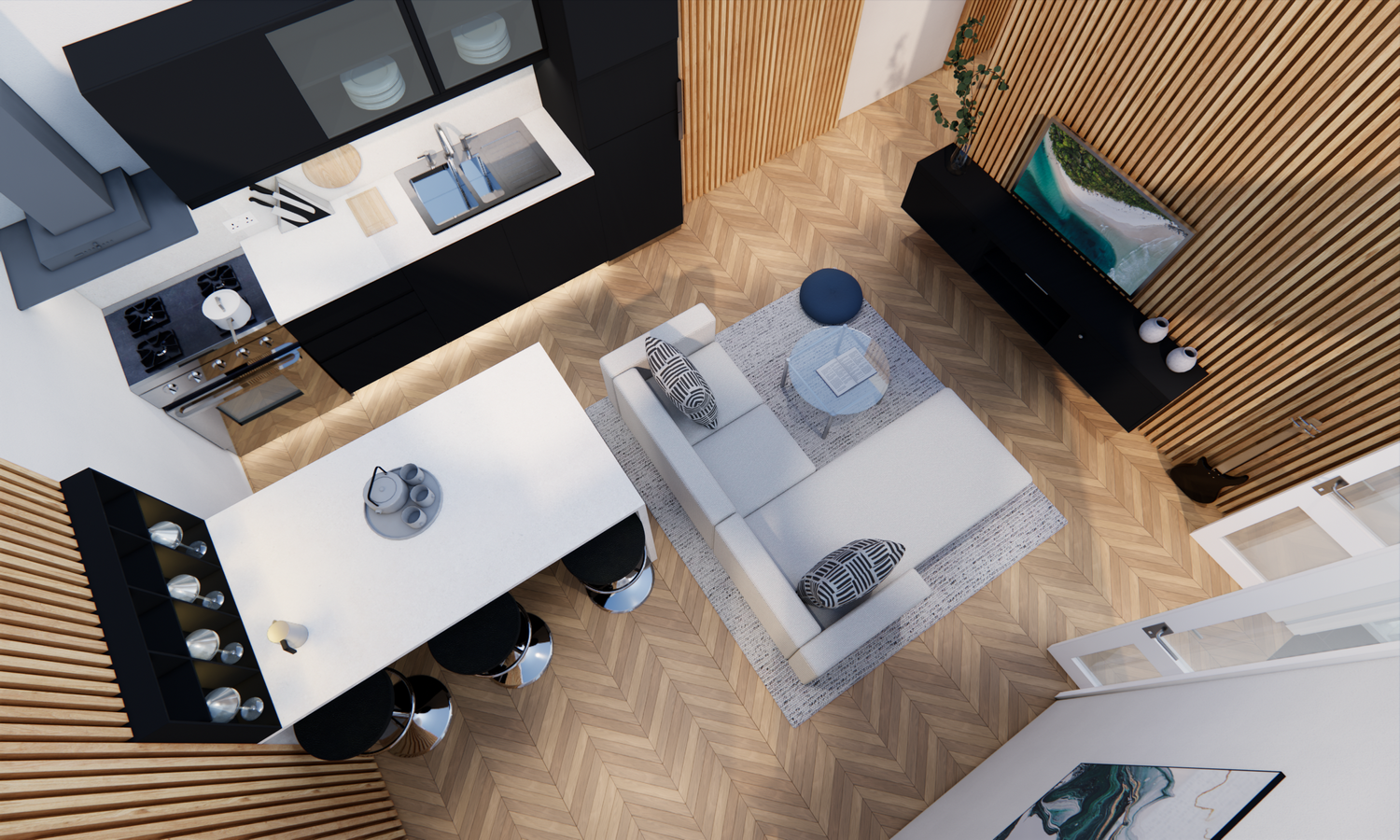
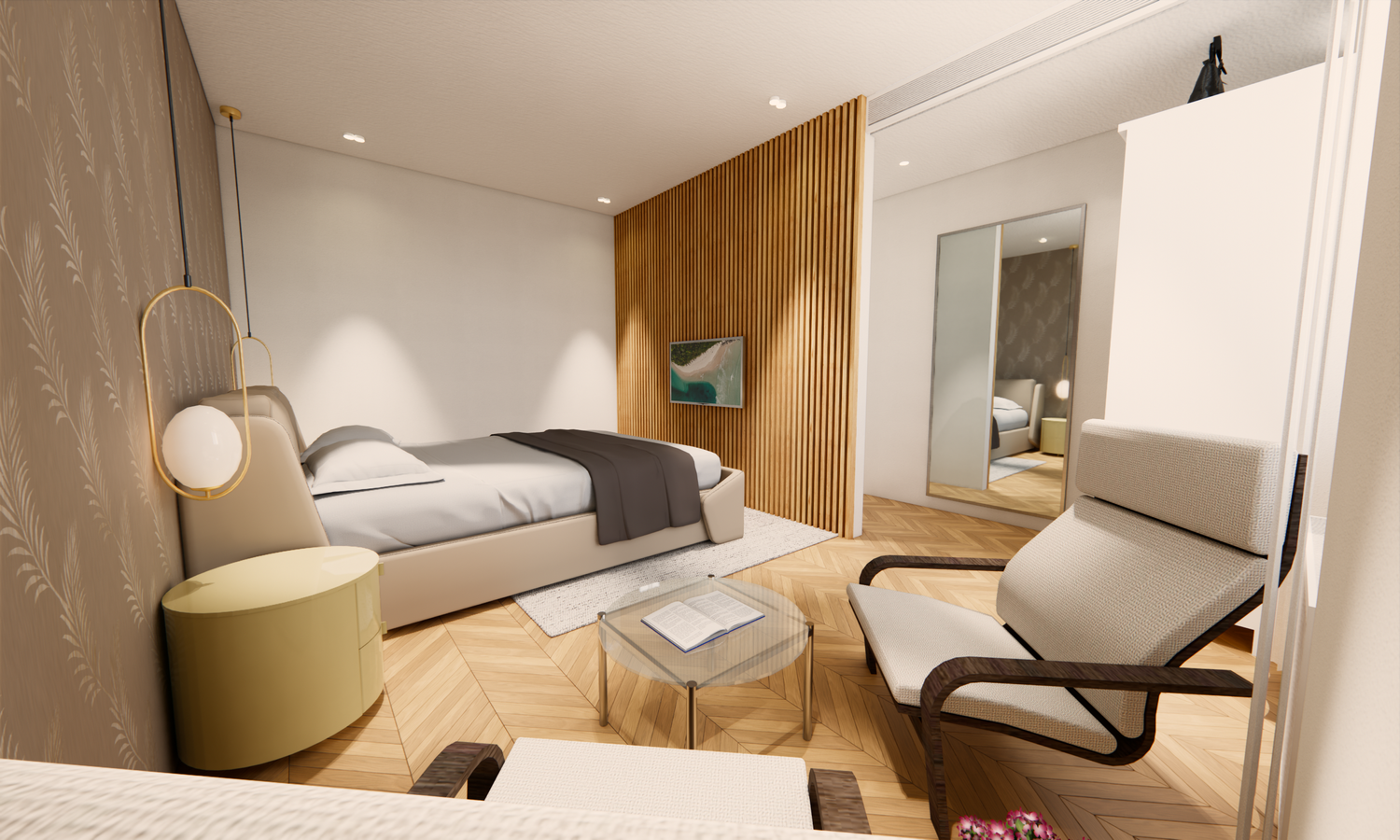
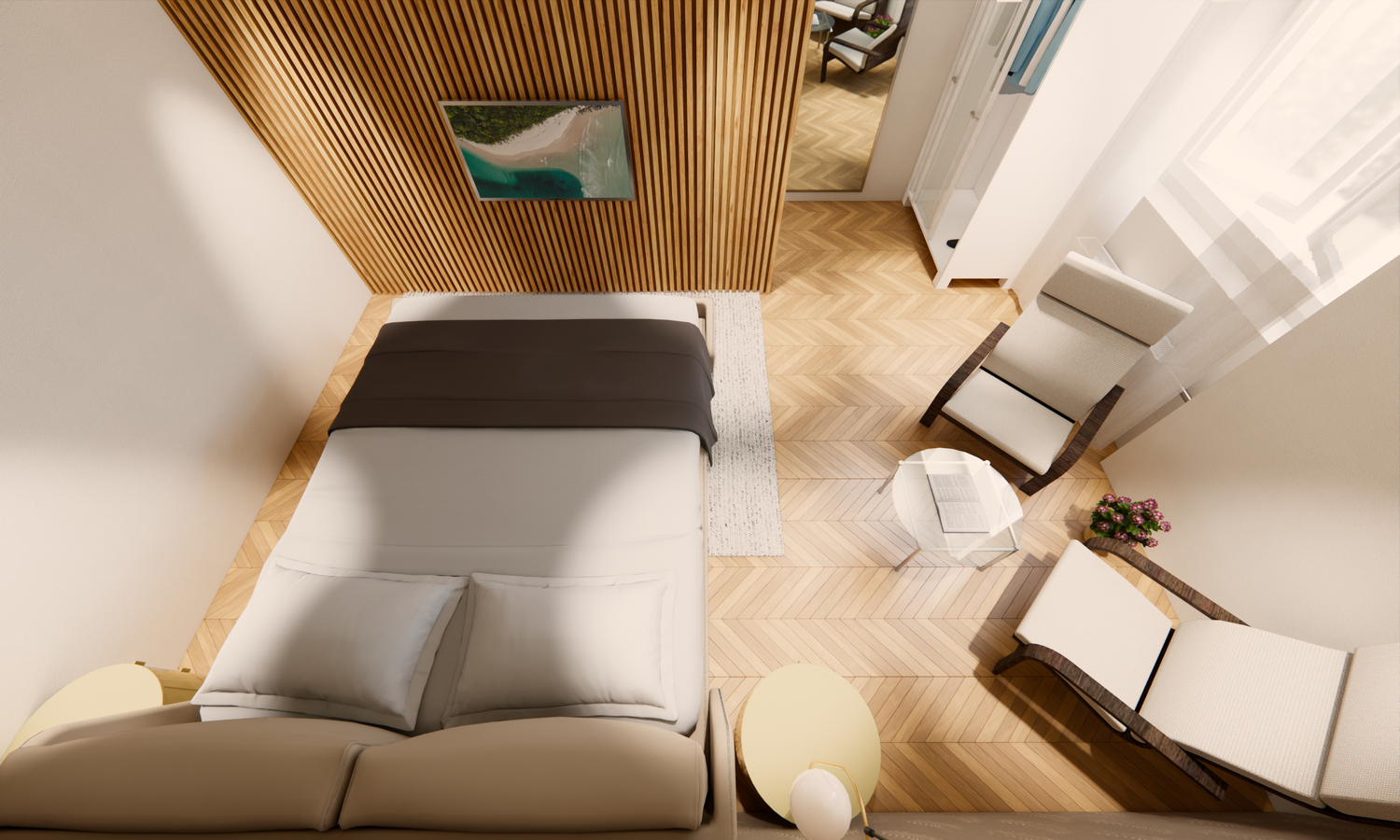
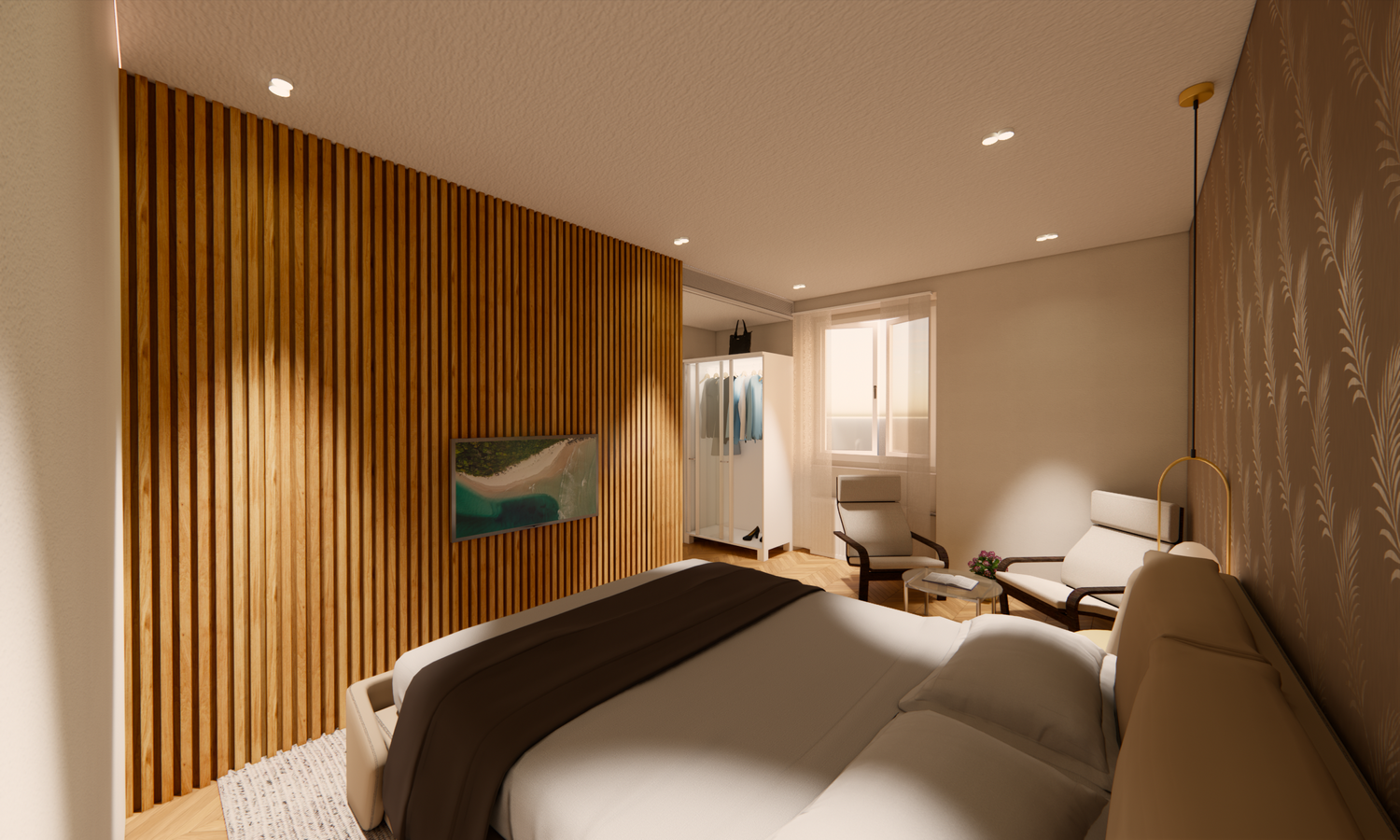
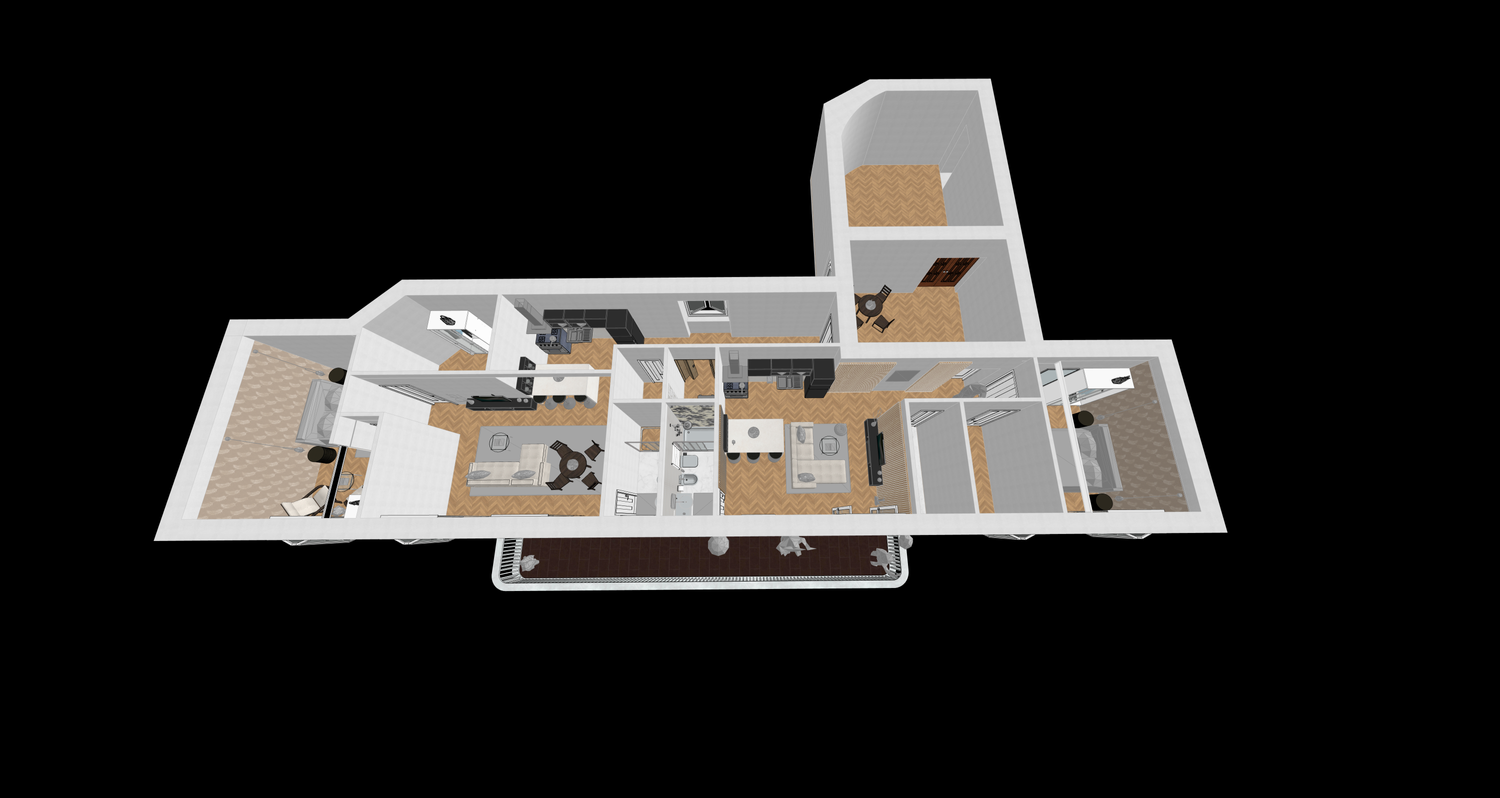
"This proposal presents a transformative architectural intervention to subdivide a singular, historic residence into two distinguished residential units: Flat A and Flat B. Anchored in a vision of 'Warm Minimalism,' the project revitalizes the mid-century Rationalist envelope by stripping away obsolete ornamentation to reveal generous volumes and panoramic views toward the Auditorium Parco della Musica. The design successfully bridges the building's 1950s heritage with contemporary standards of high-efficiency living, offering a sophisticated urban retreat that optimizes real estate value through intelligent spatial rationalization and autonomous building services."
02. Site & Context Analysis
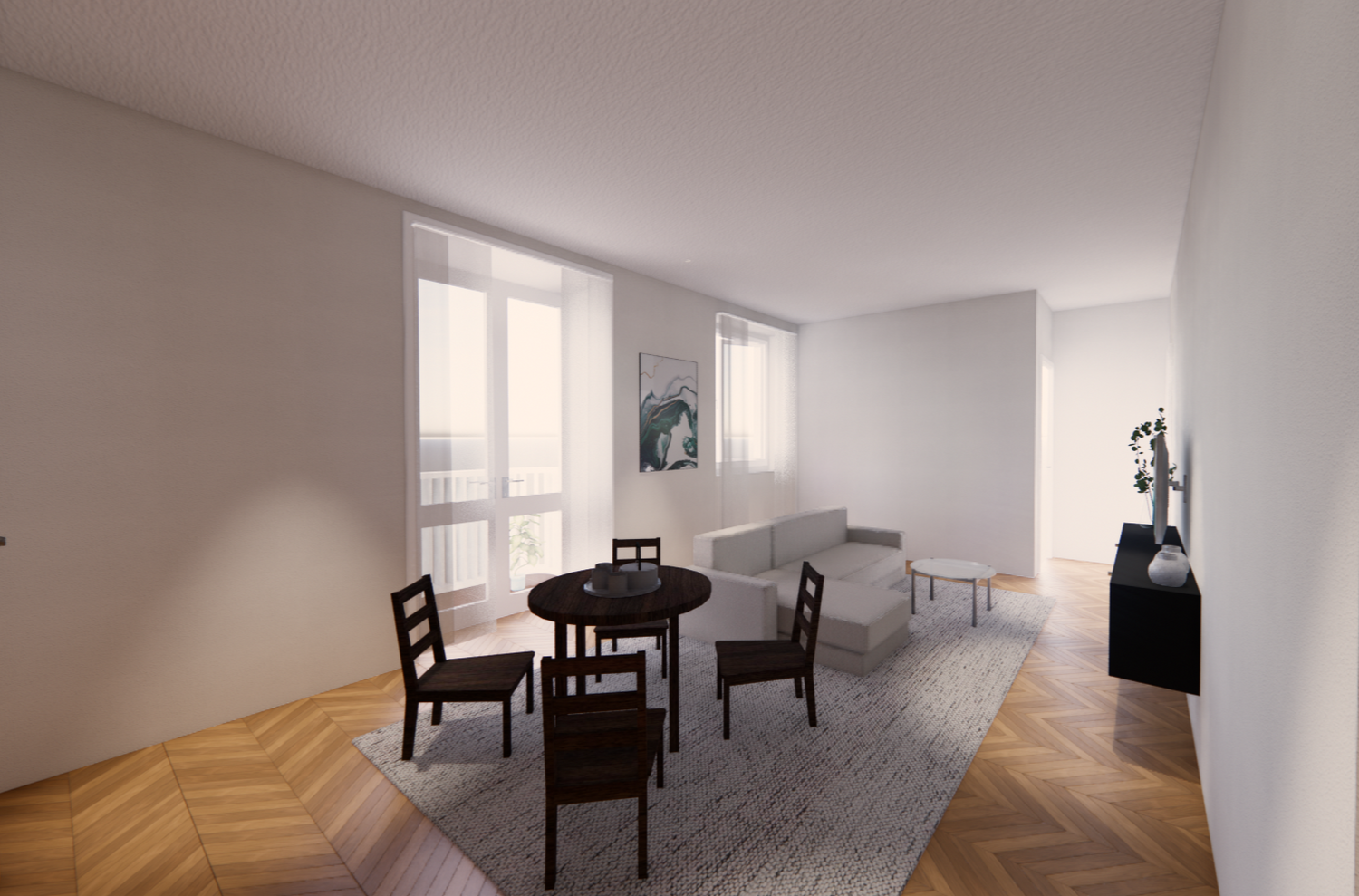
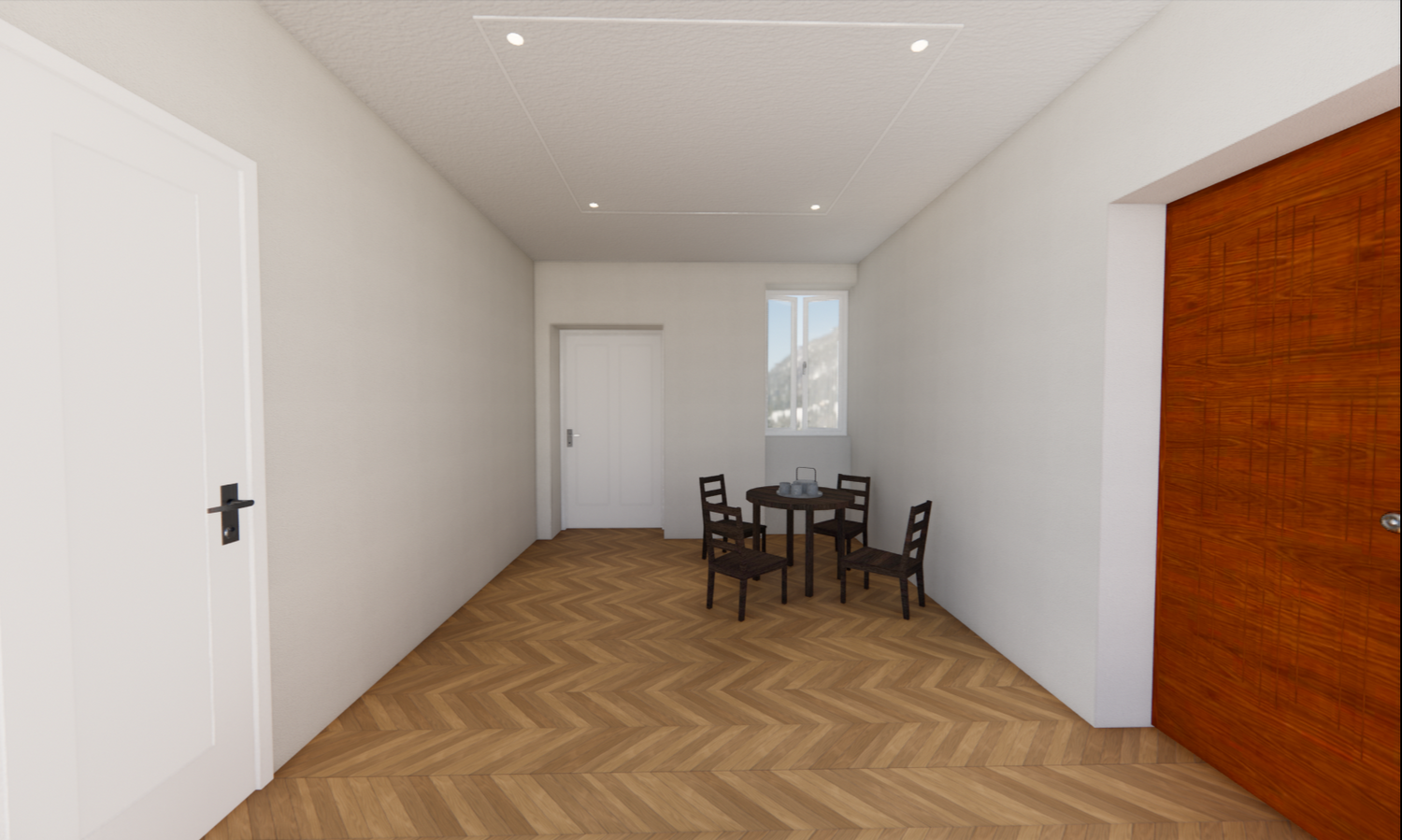
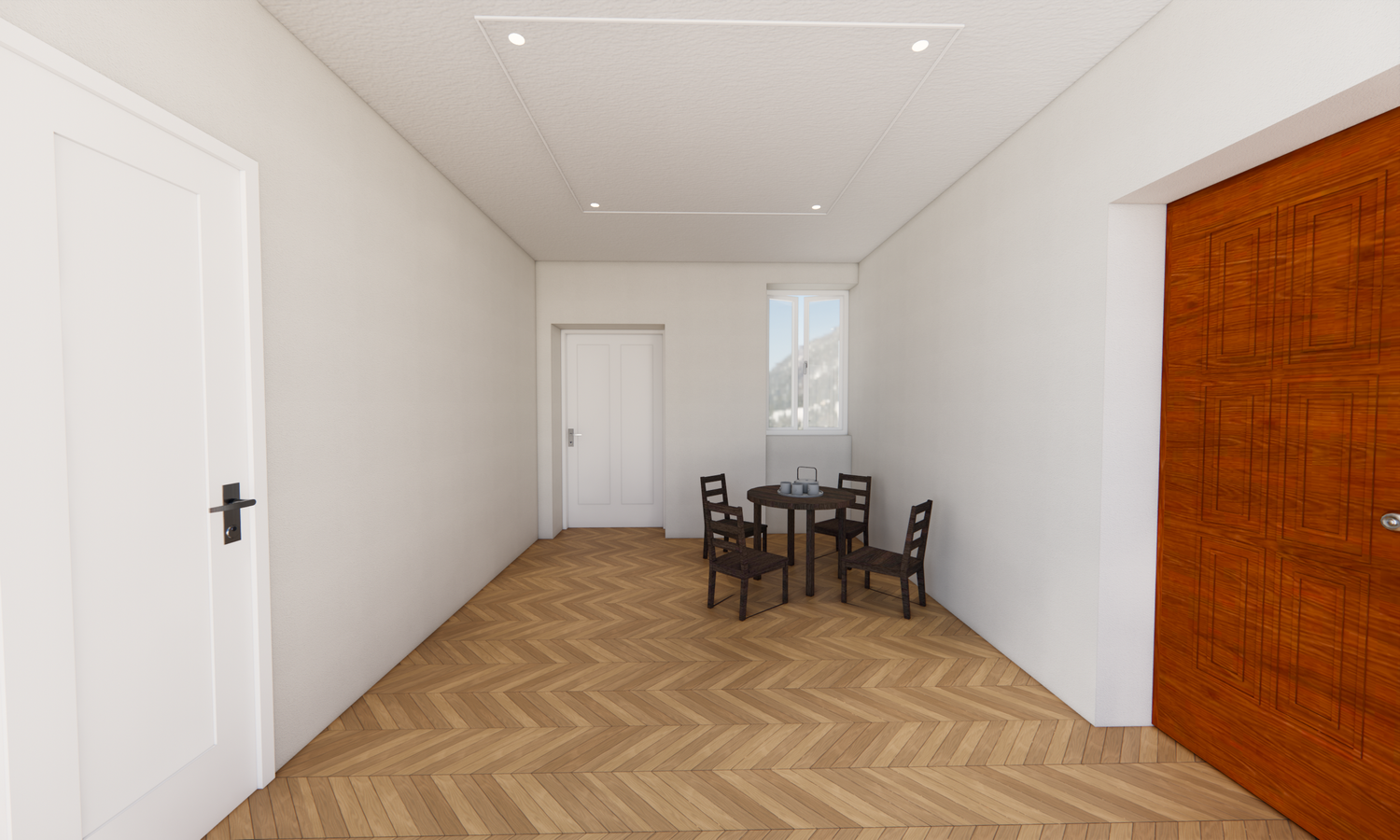
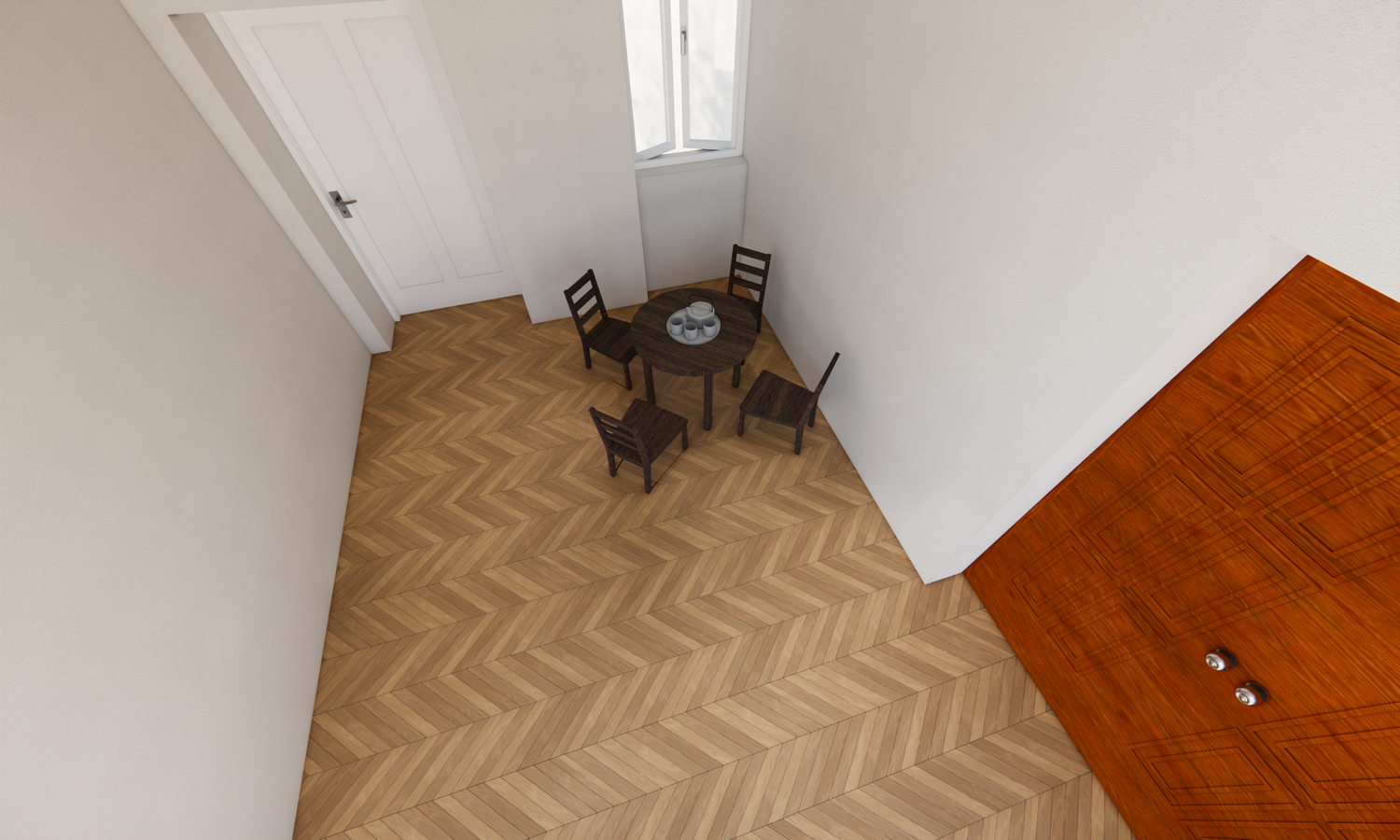
Located within a significant instance of Roman mid-century architecture, the existing property is characterized by the generous, albeit segmented, layout typical of the 1950s. The site possesses a strong 'genius loci' defined by its proximity to the cultural hub of the Auditorium. Currently, the interior suffers from dated finishes—such as heavy wallpapers and dark woods—and a restrictive 'corridor-heavy' floor plan that fails to capitalize on available natural light. However, the structural grid and central spine offer a prime opportunity for subdivision, utilizing the load-bearing masonry to naturally delineate two independent entrances from the shared landing without invasive structural alteration.
03. Conceptual Framework
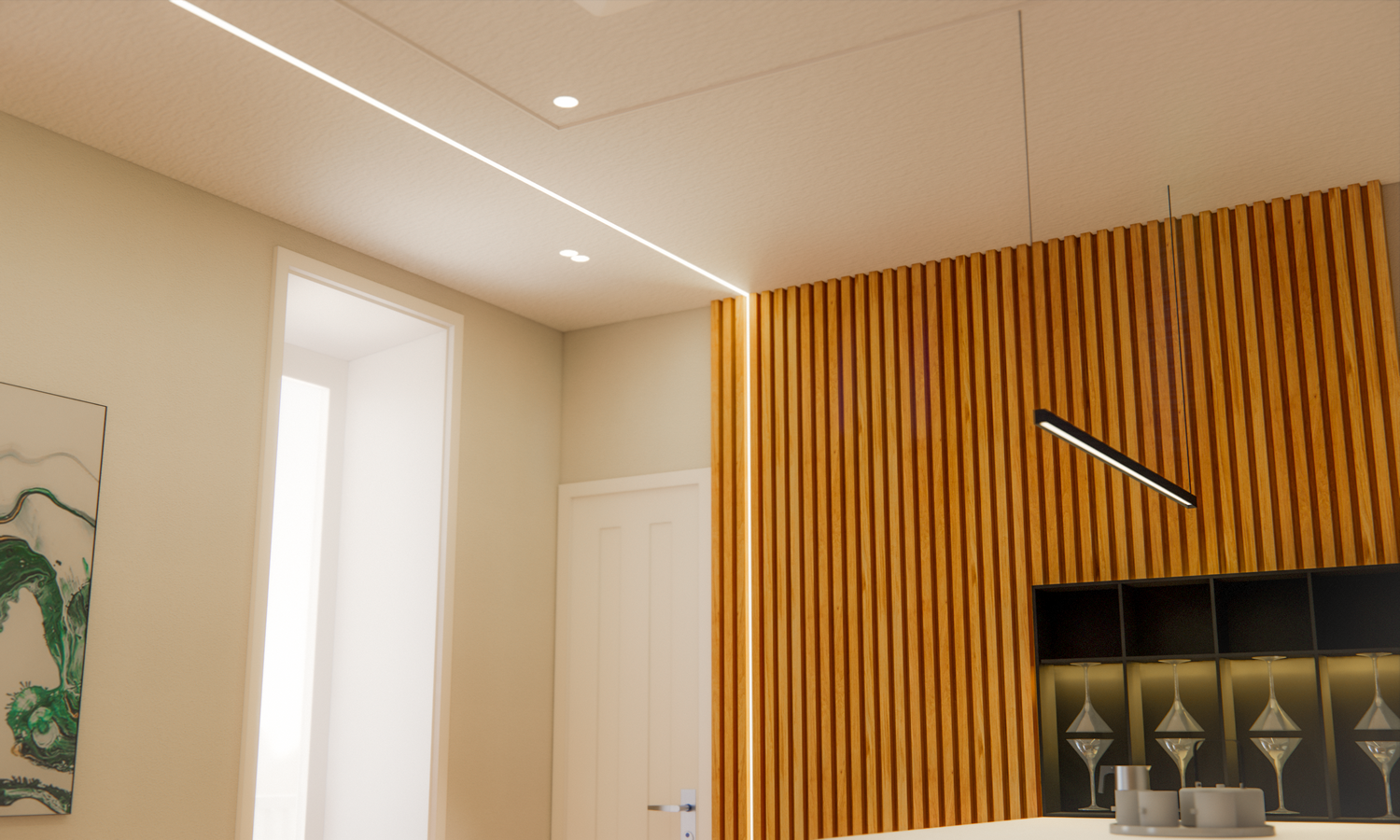
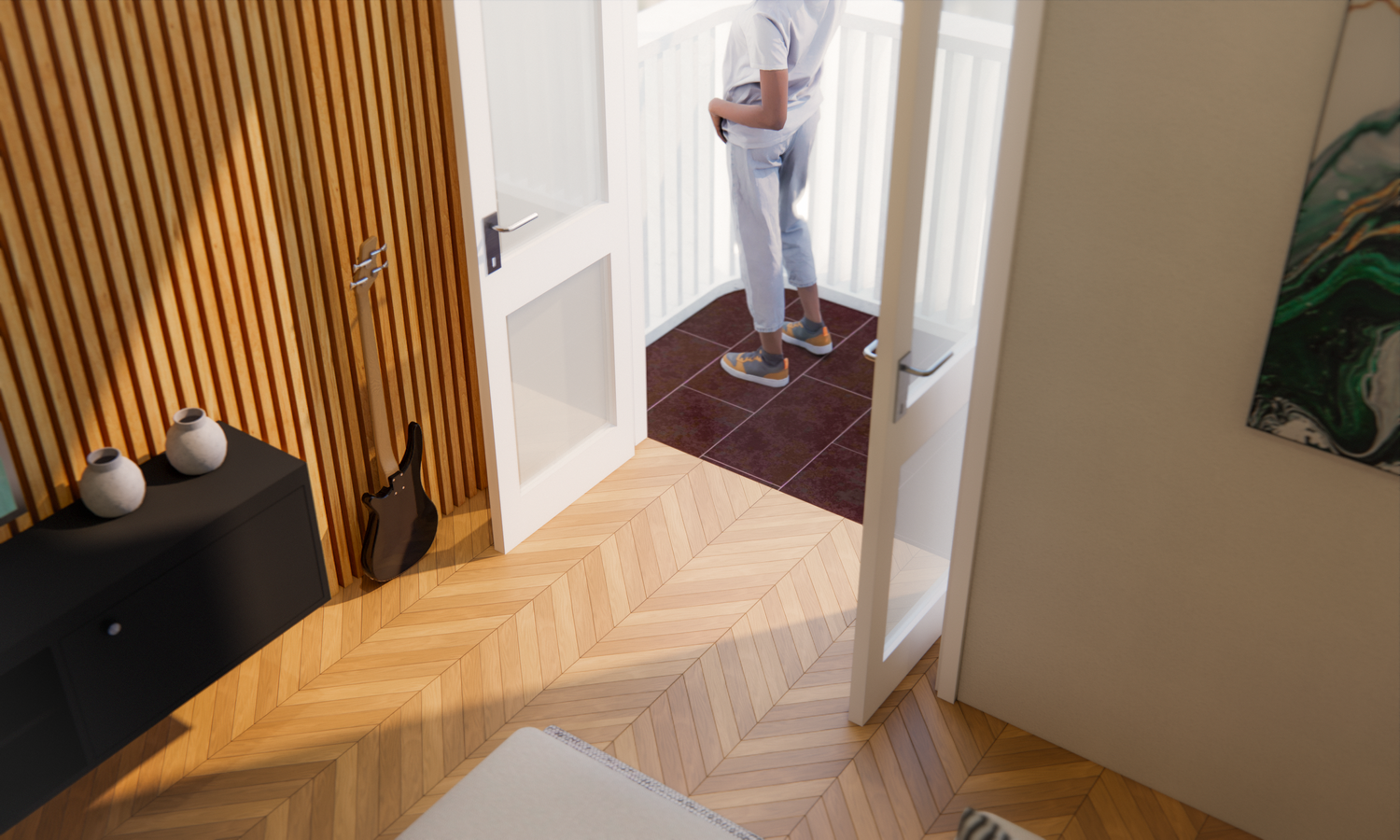
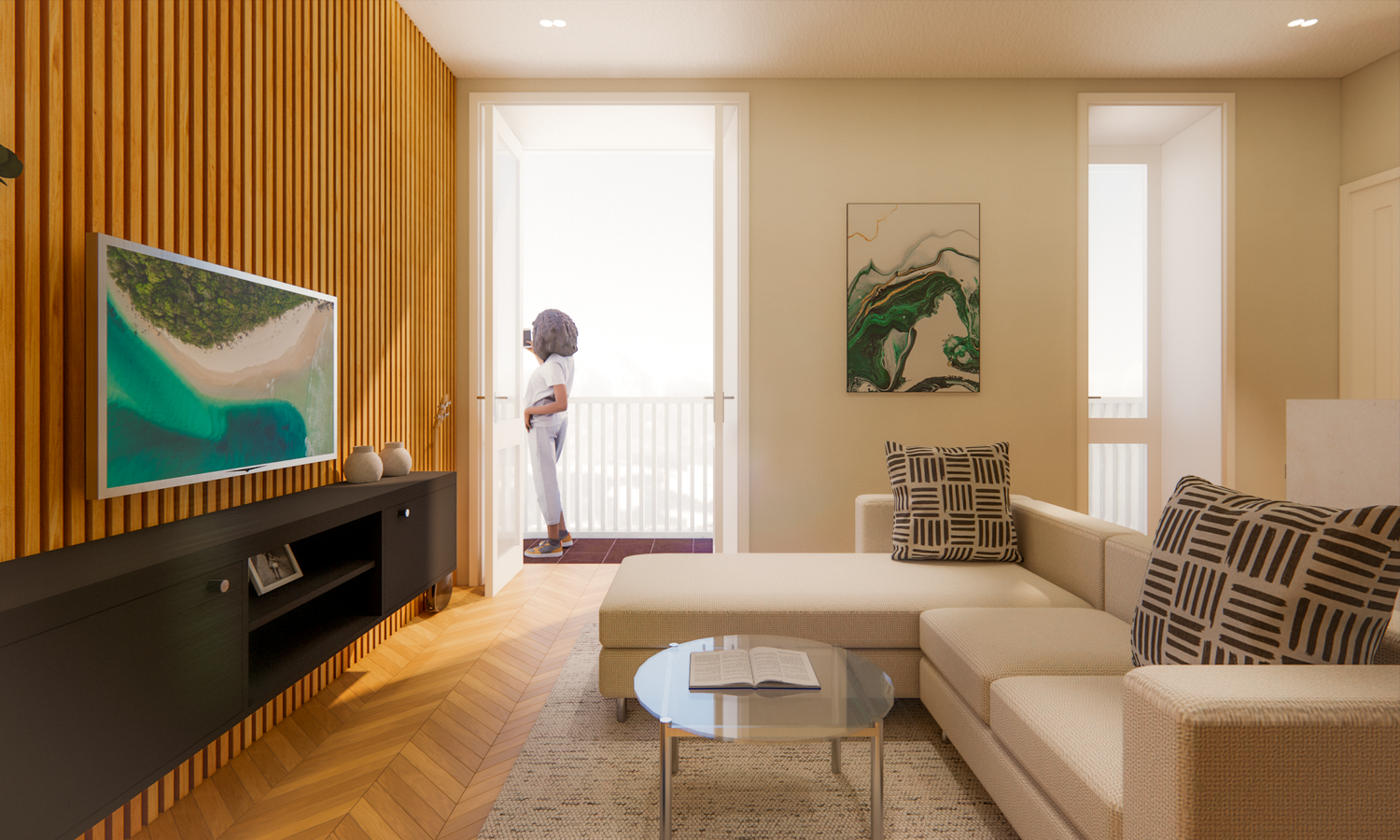
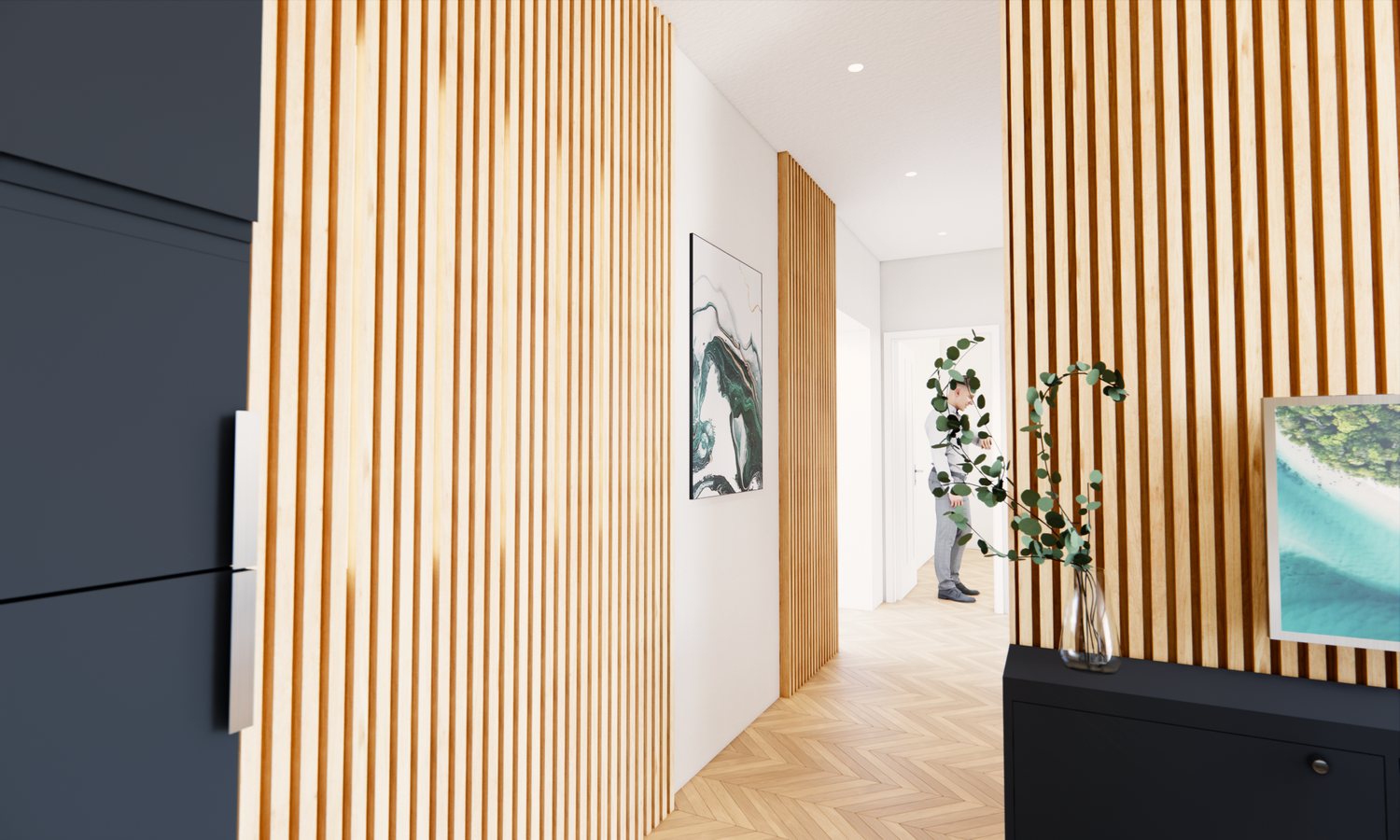
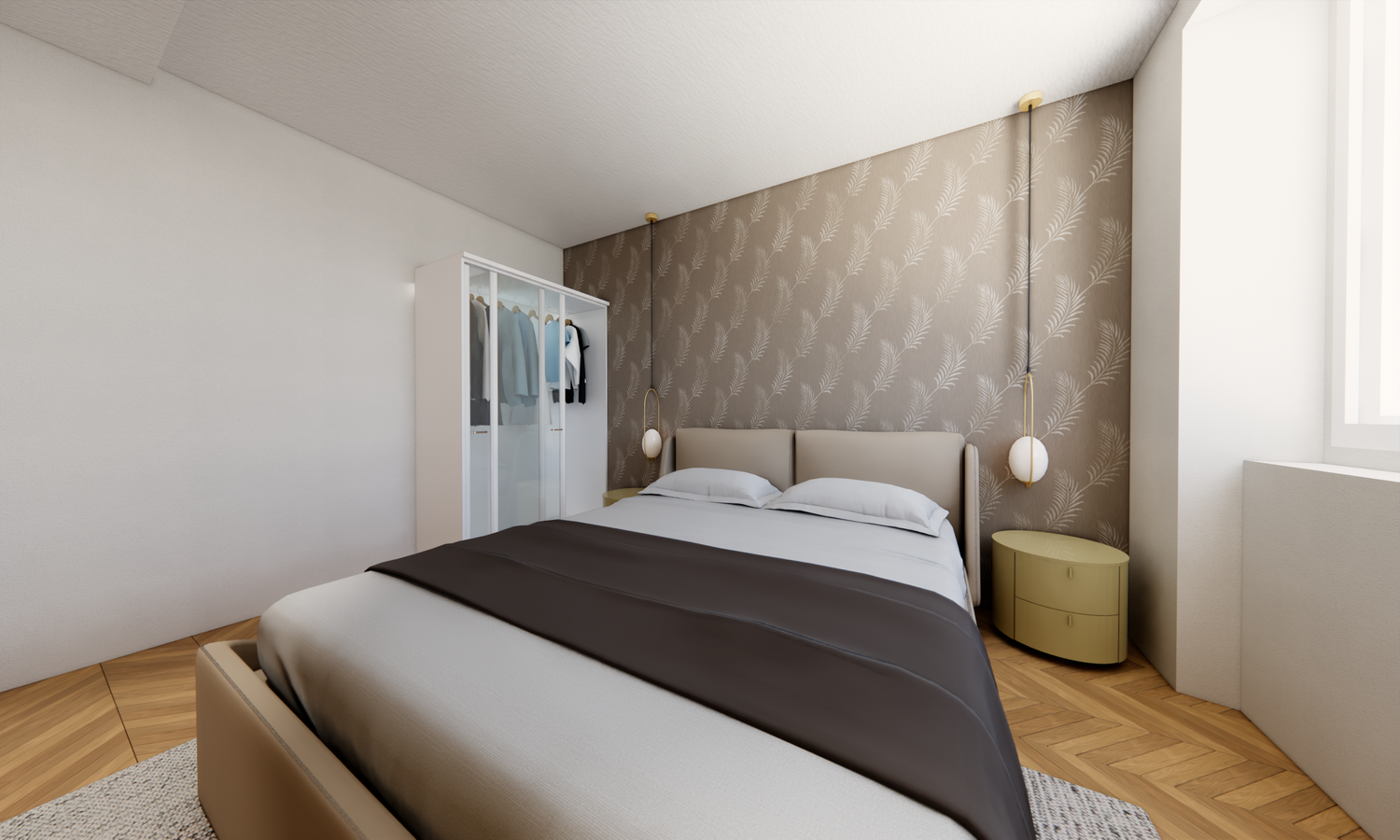
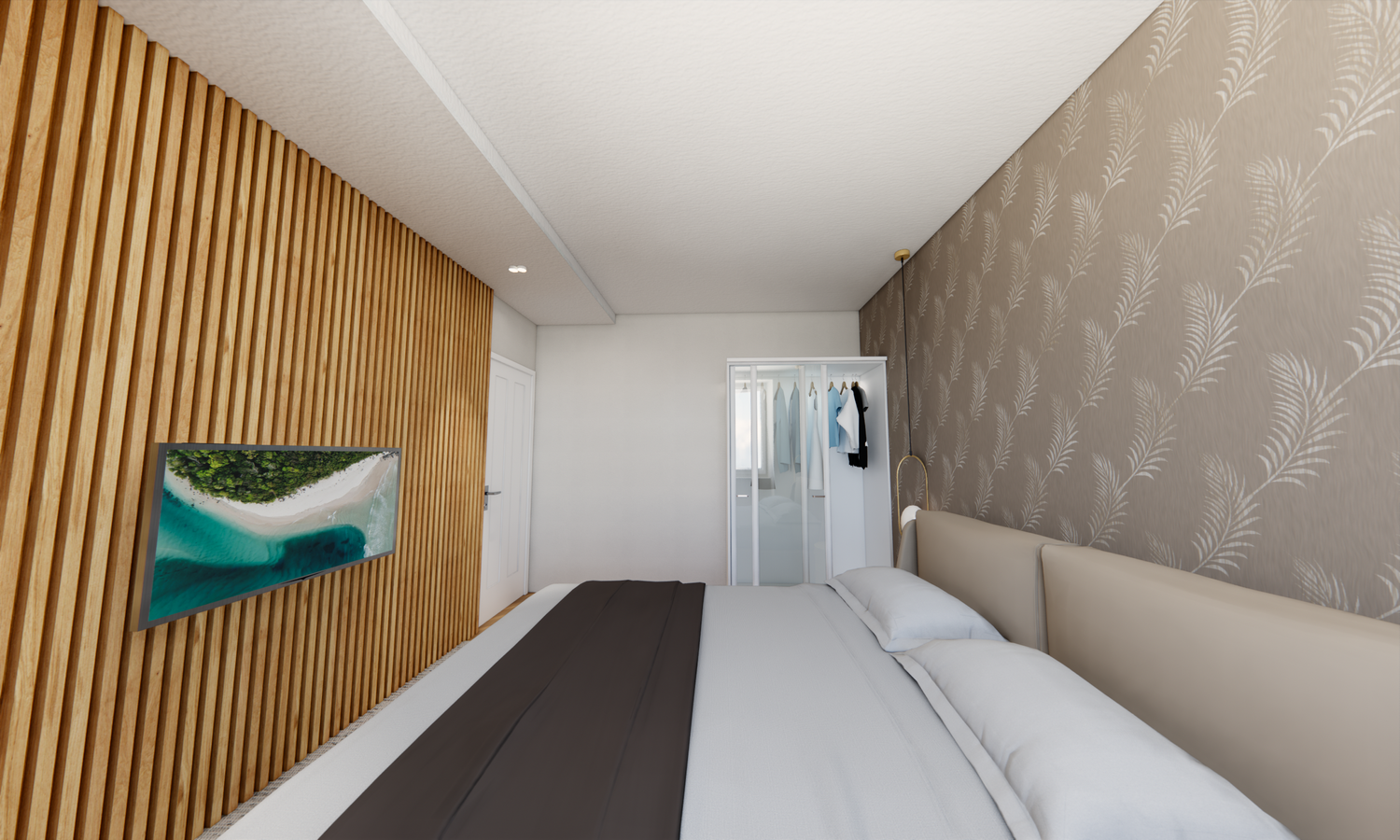
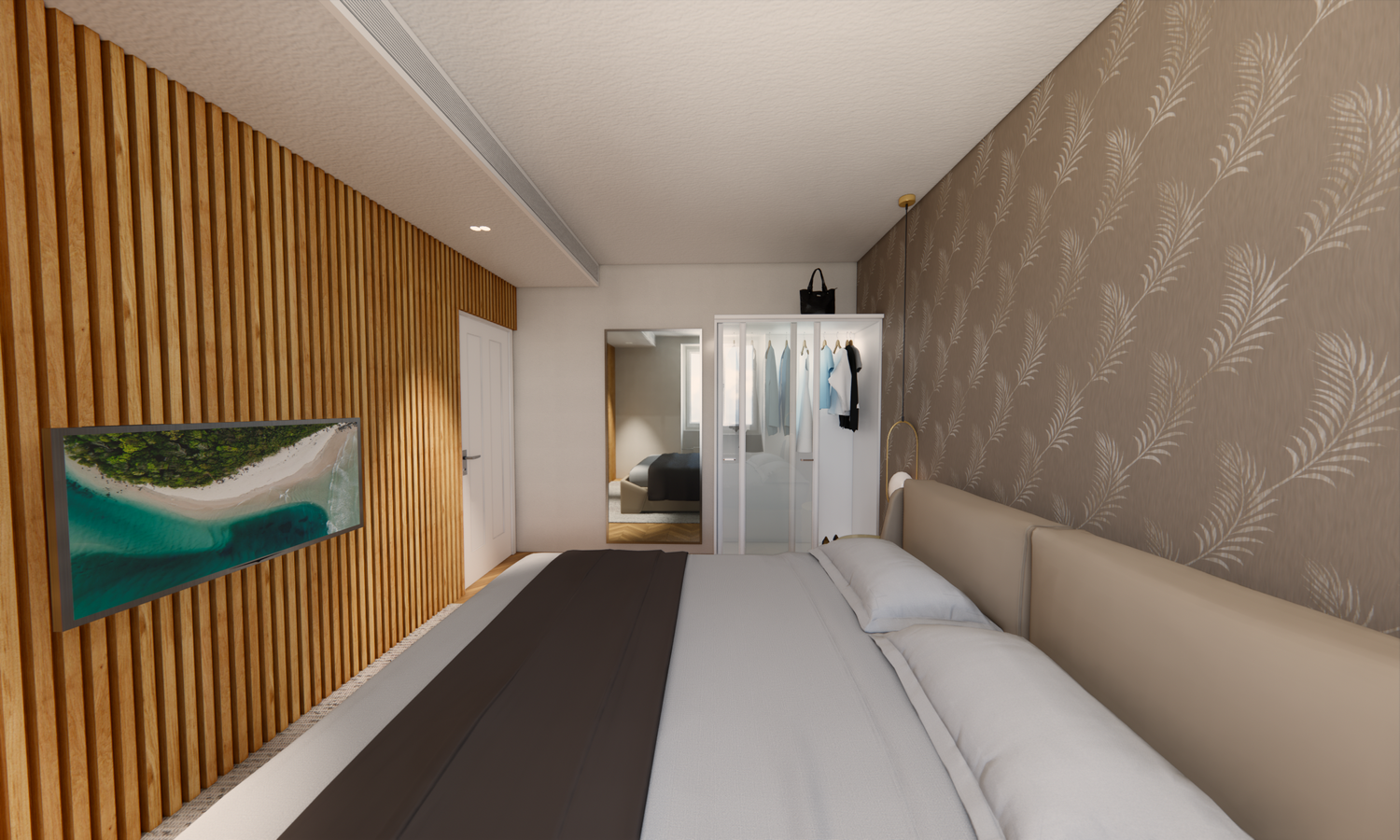
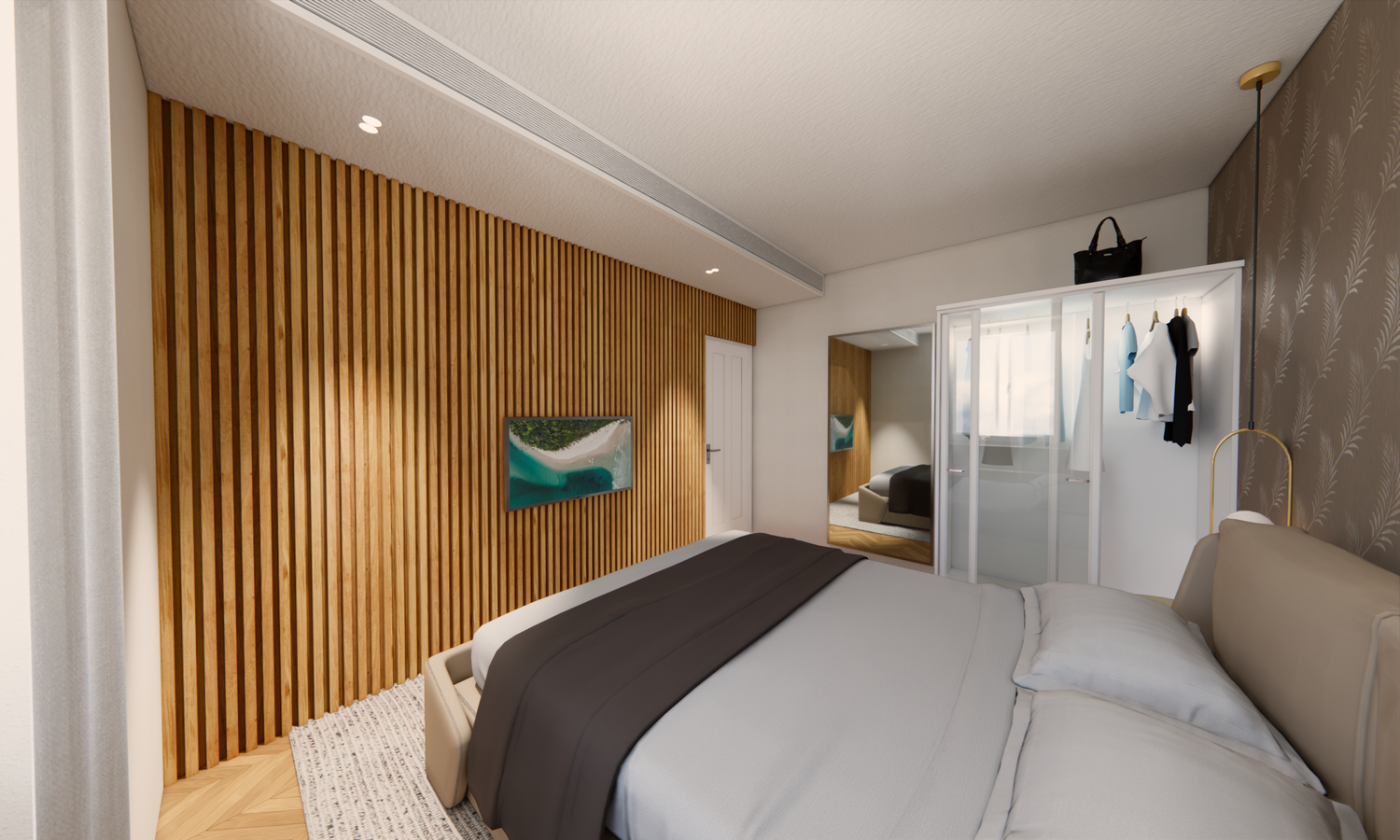
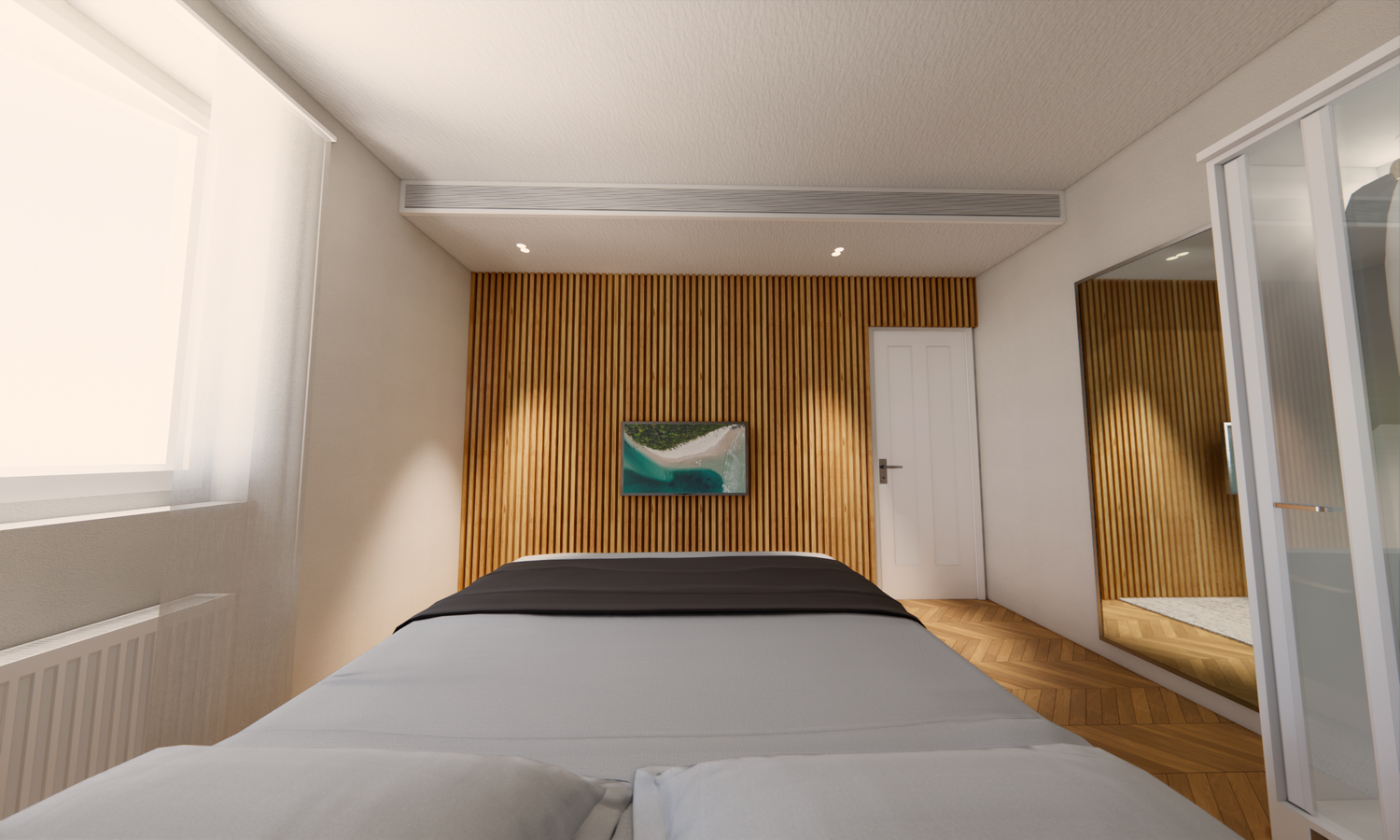
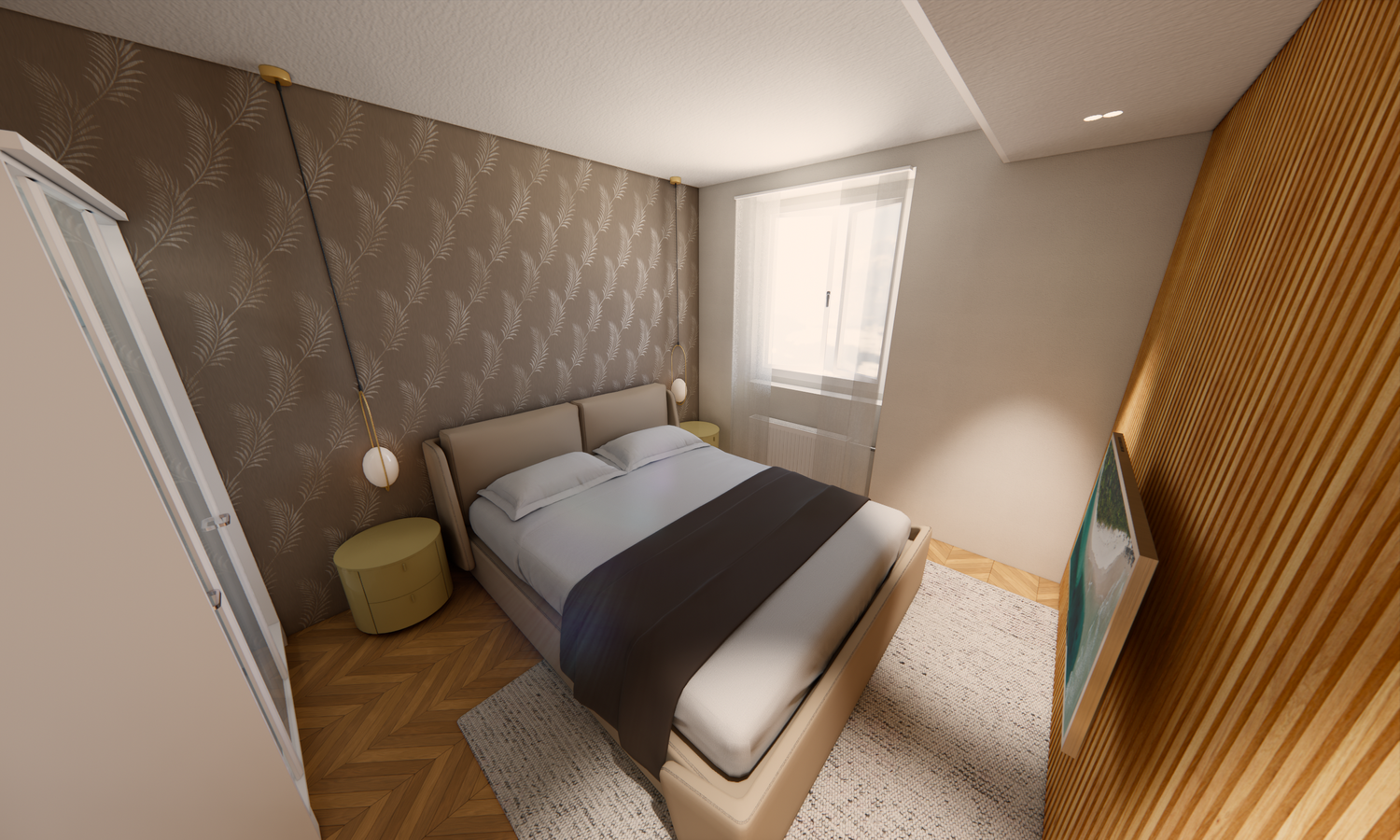
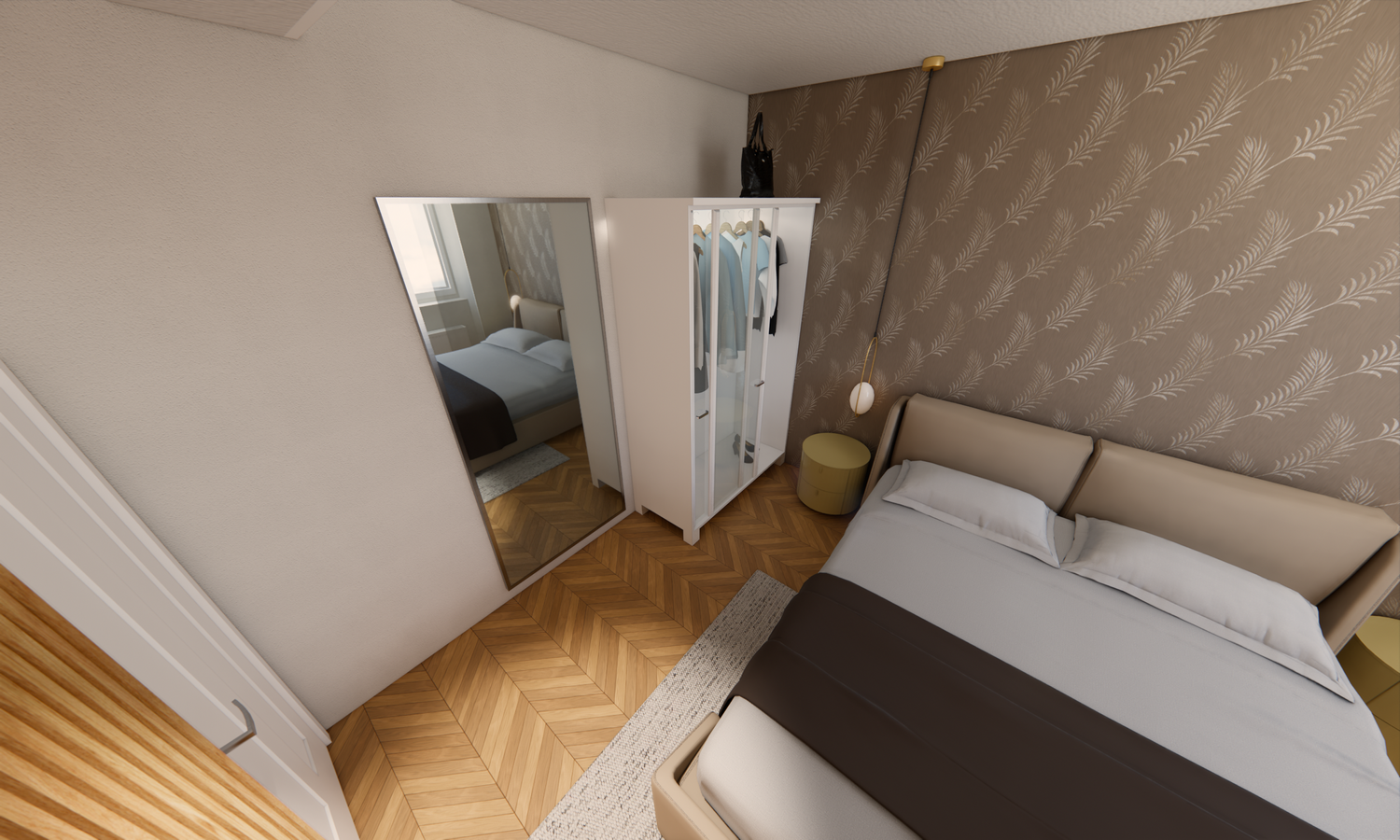
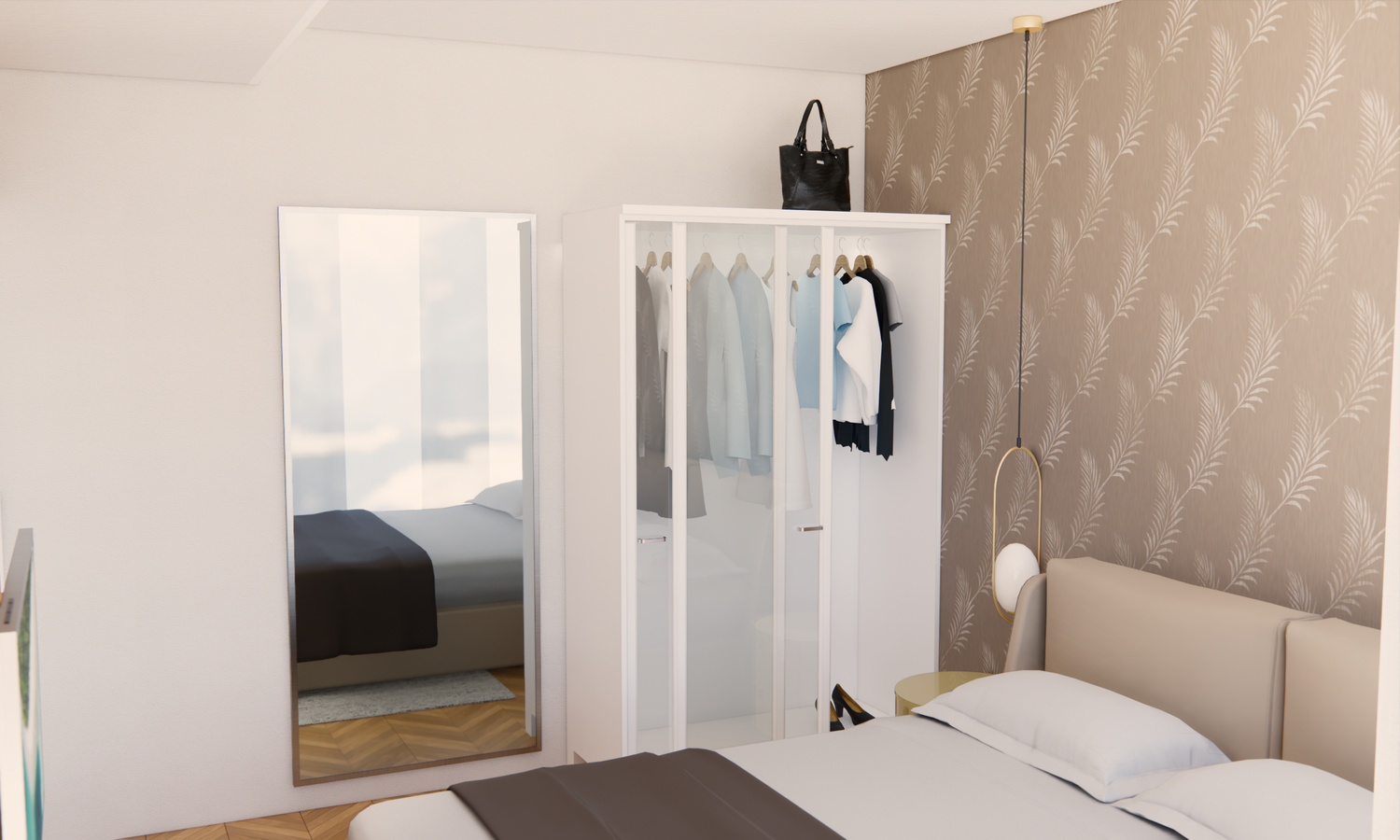
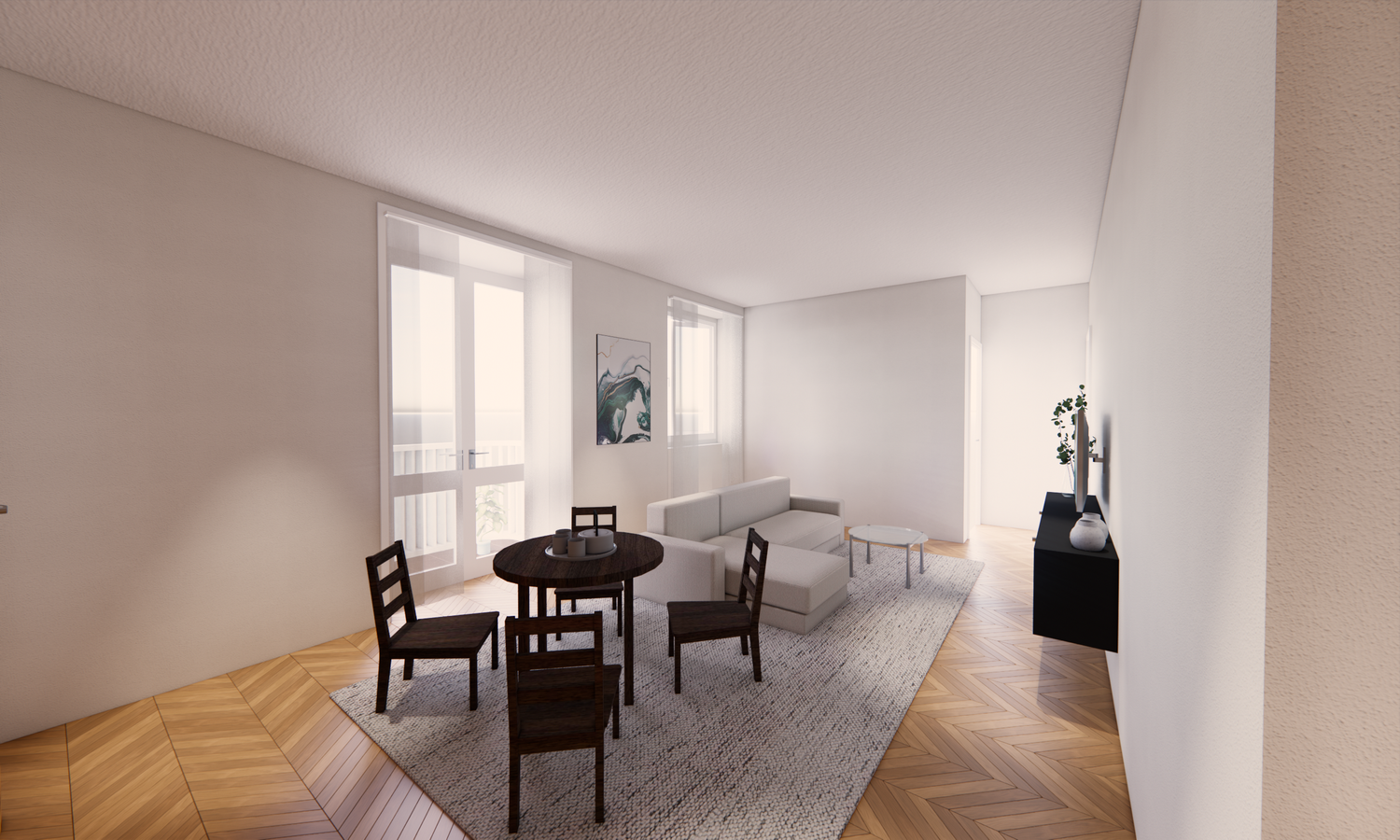
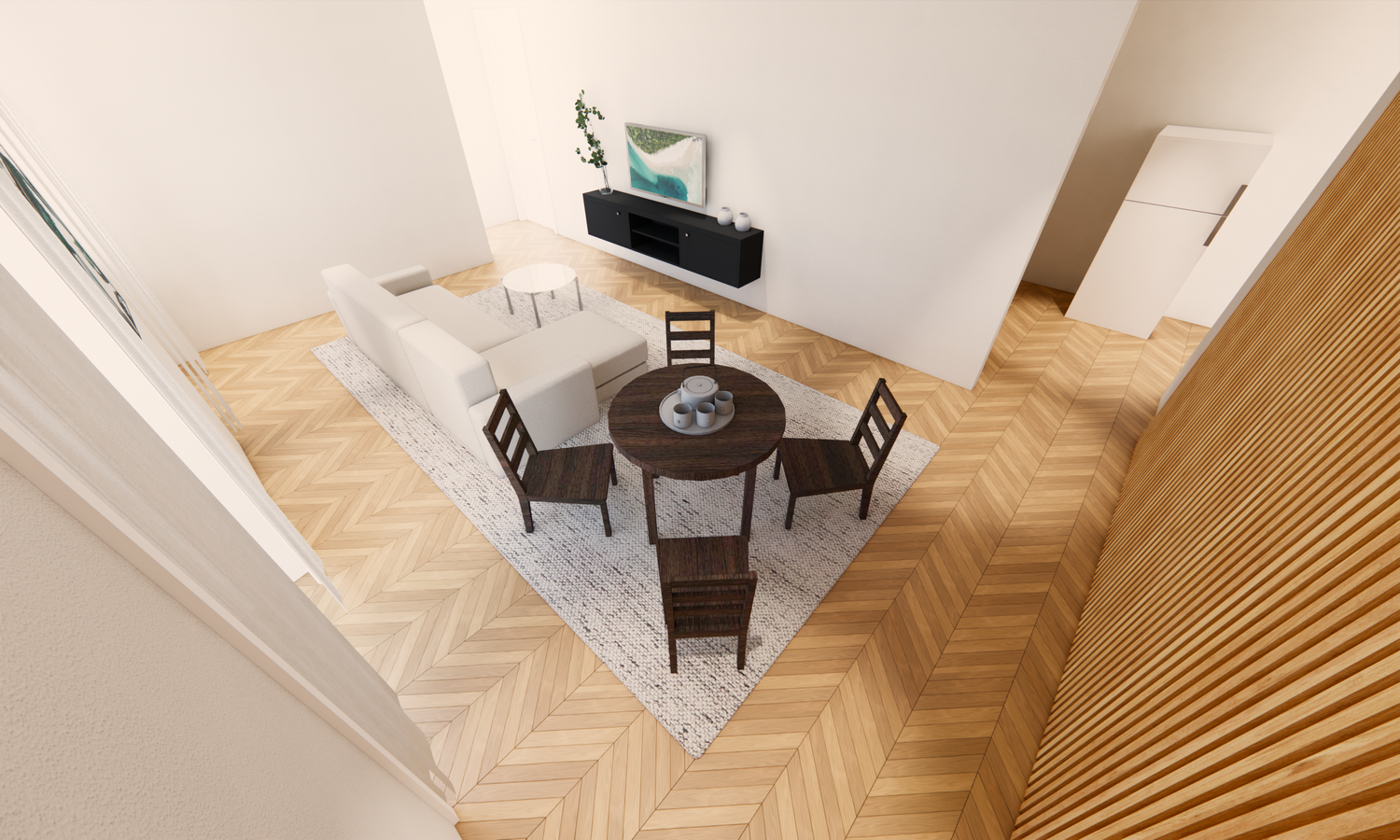
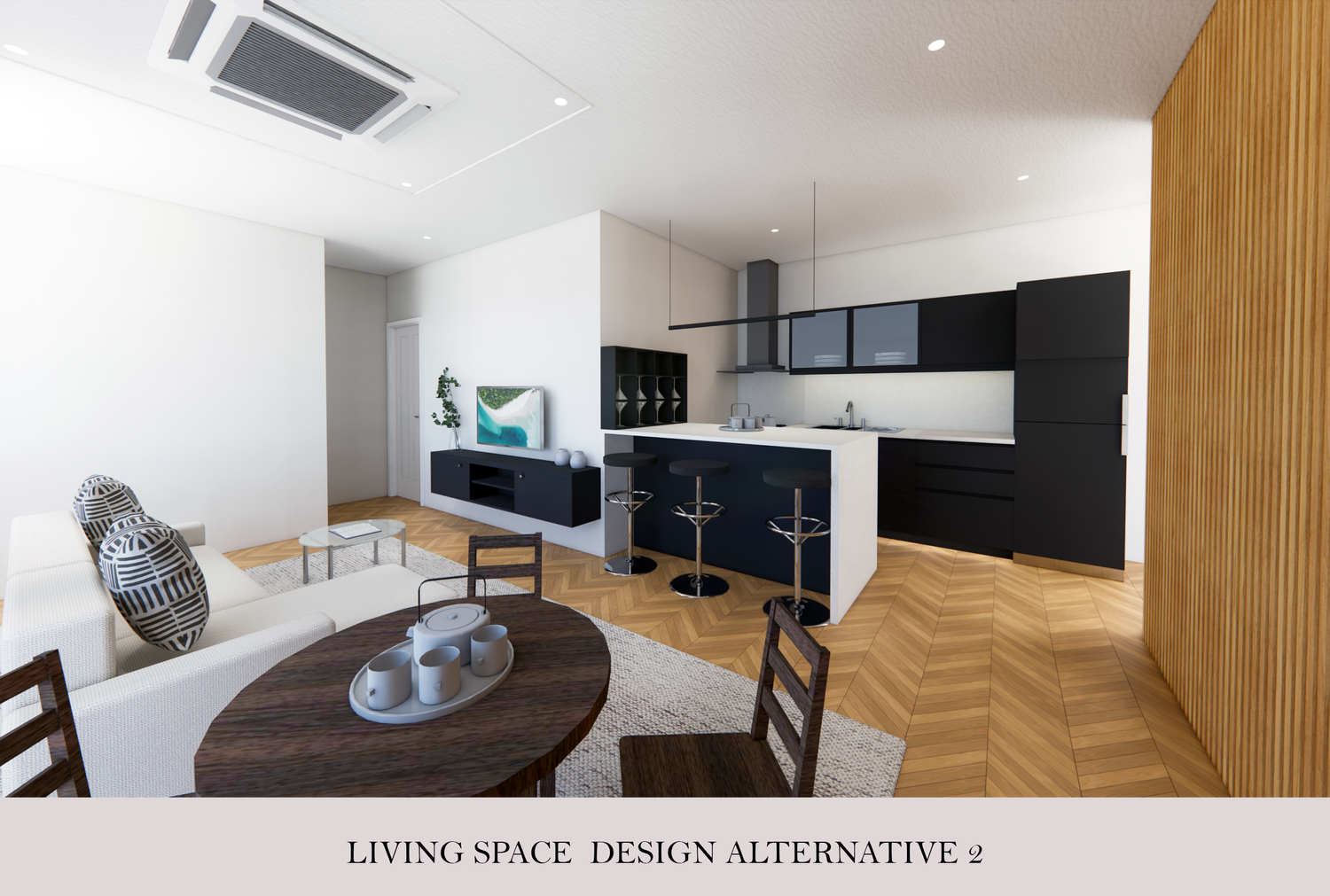
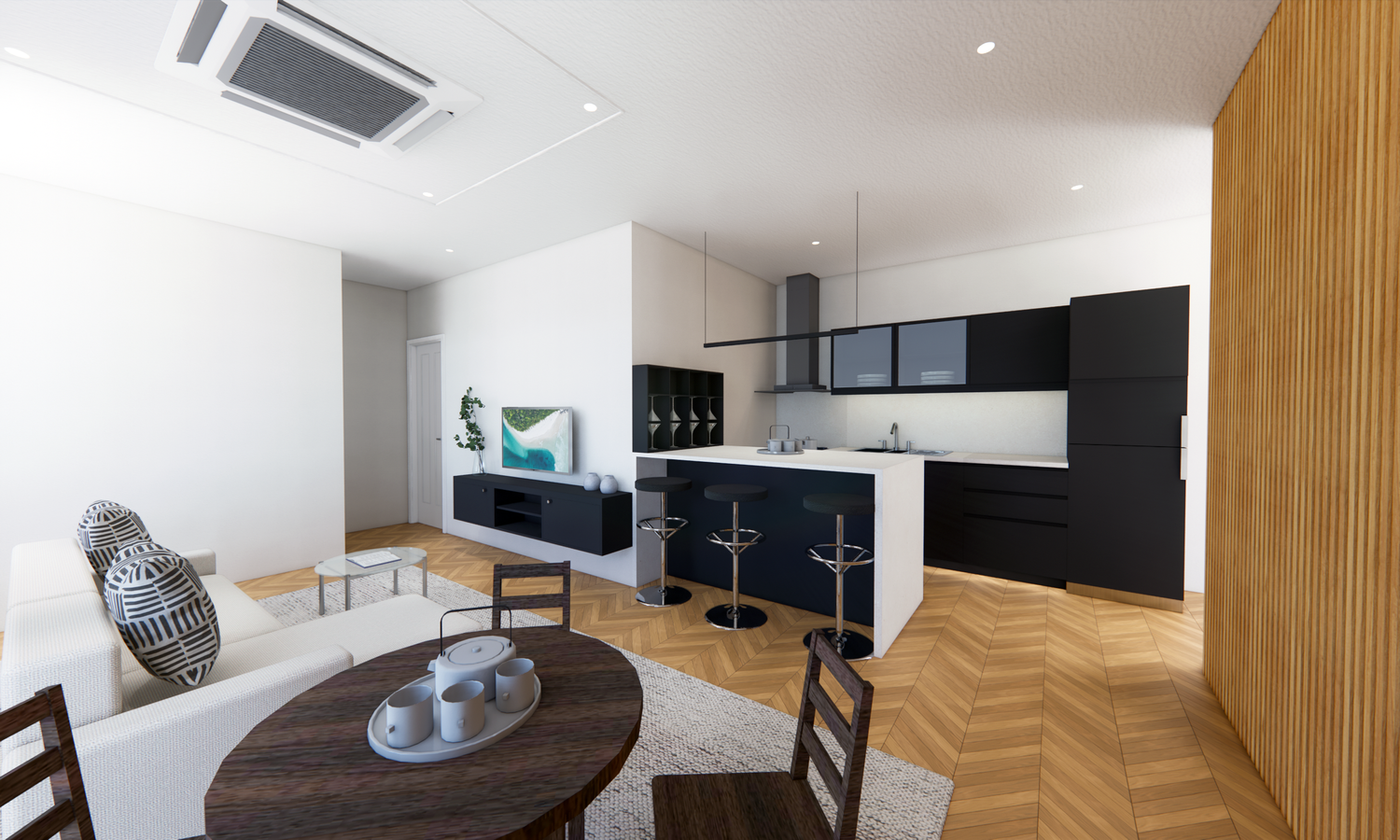
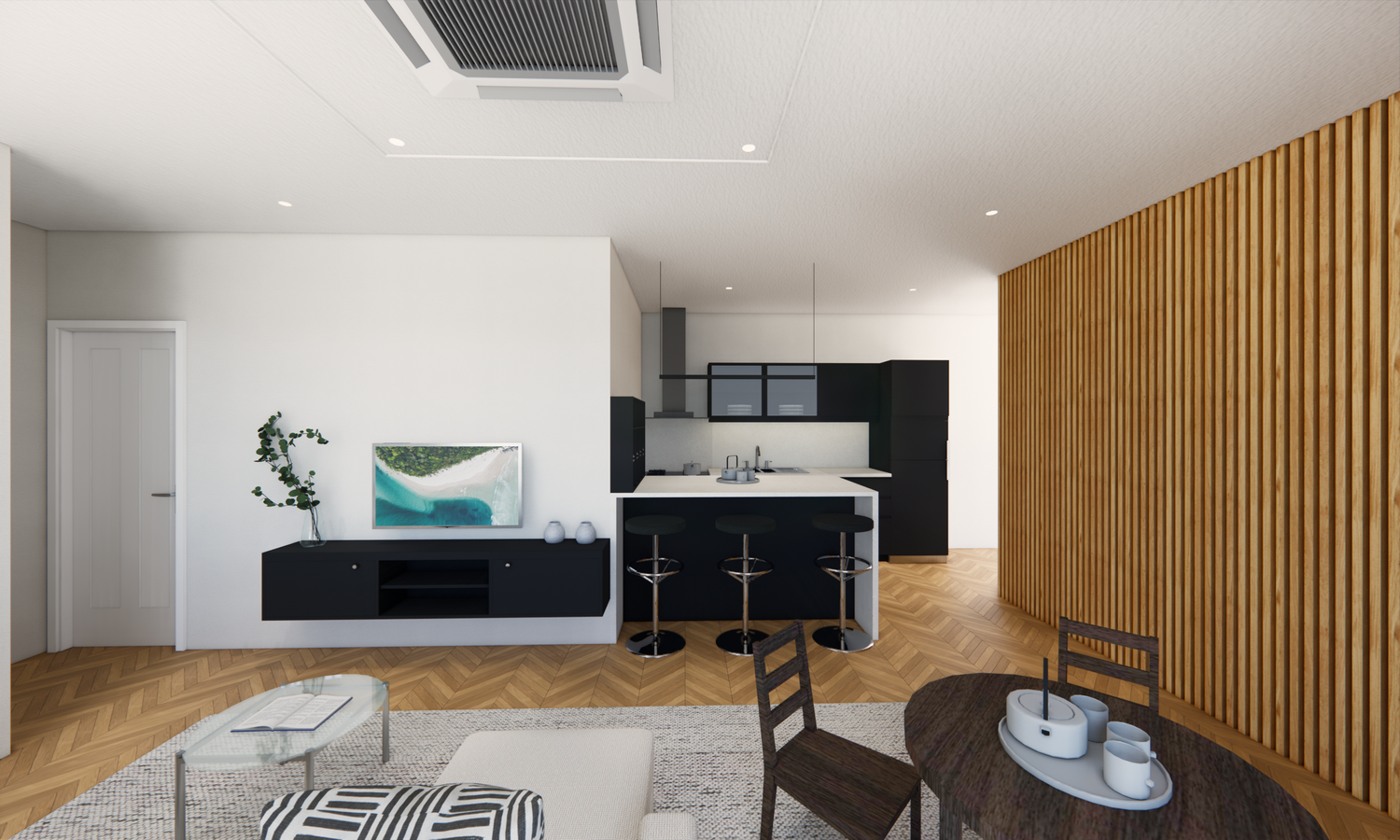
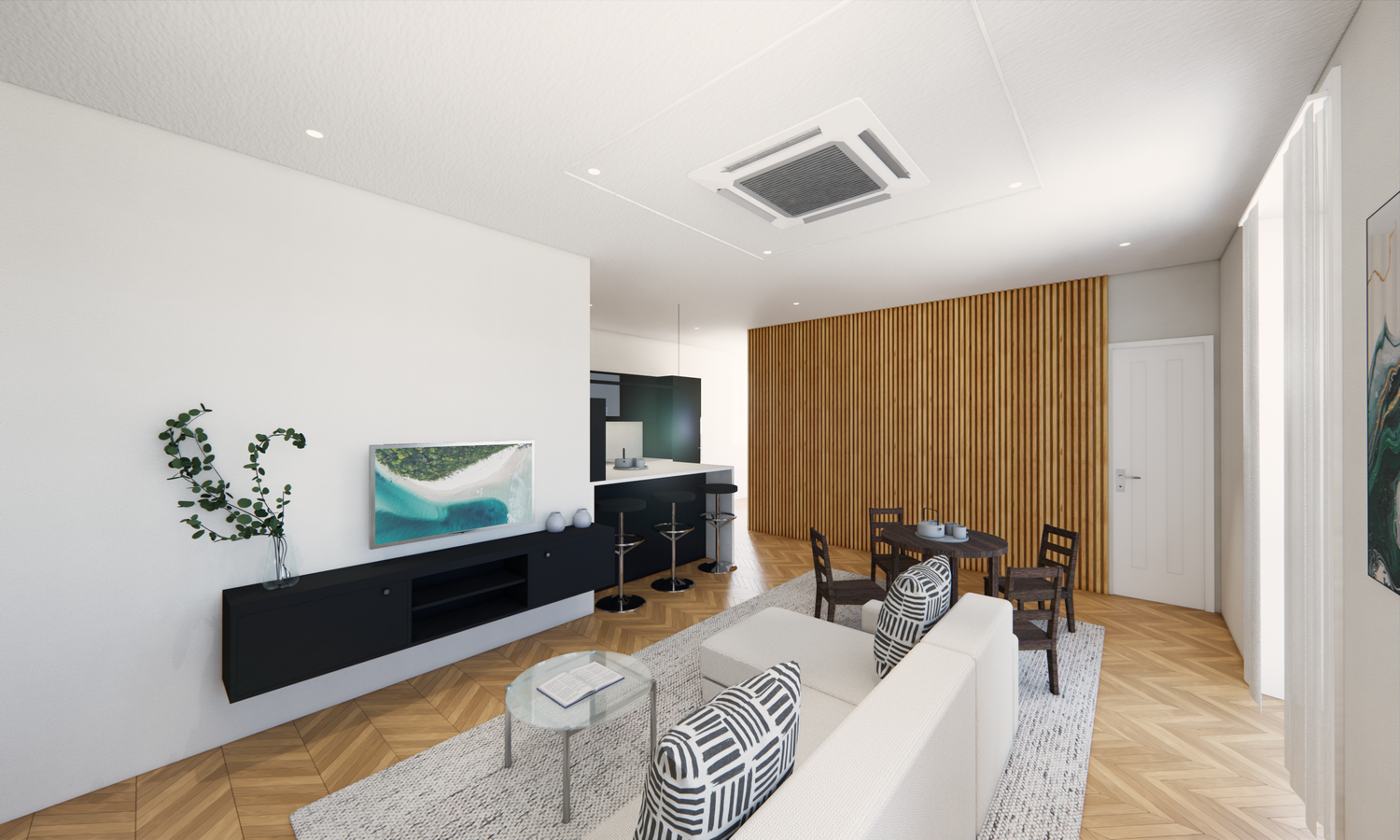
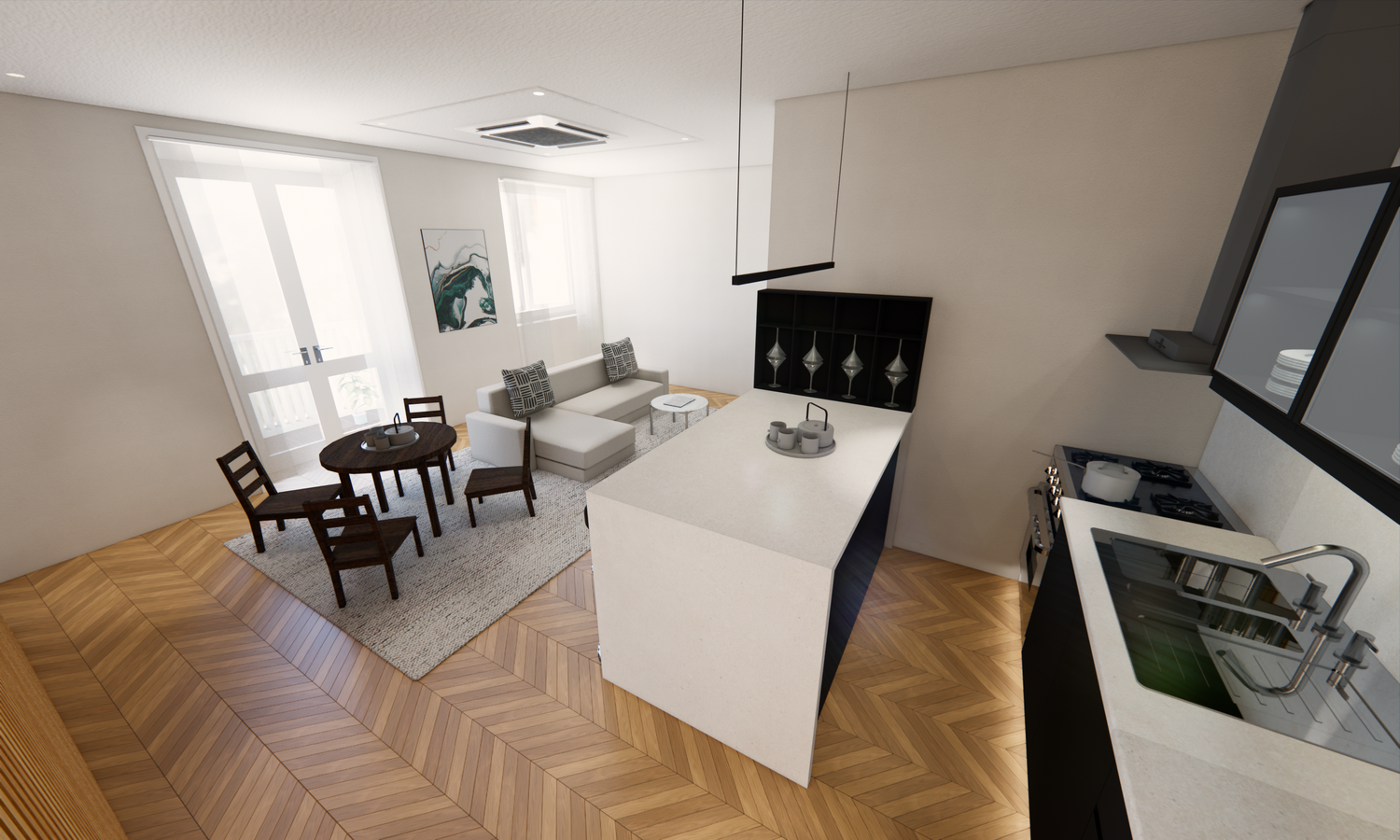
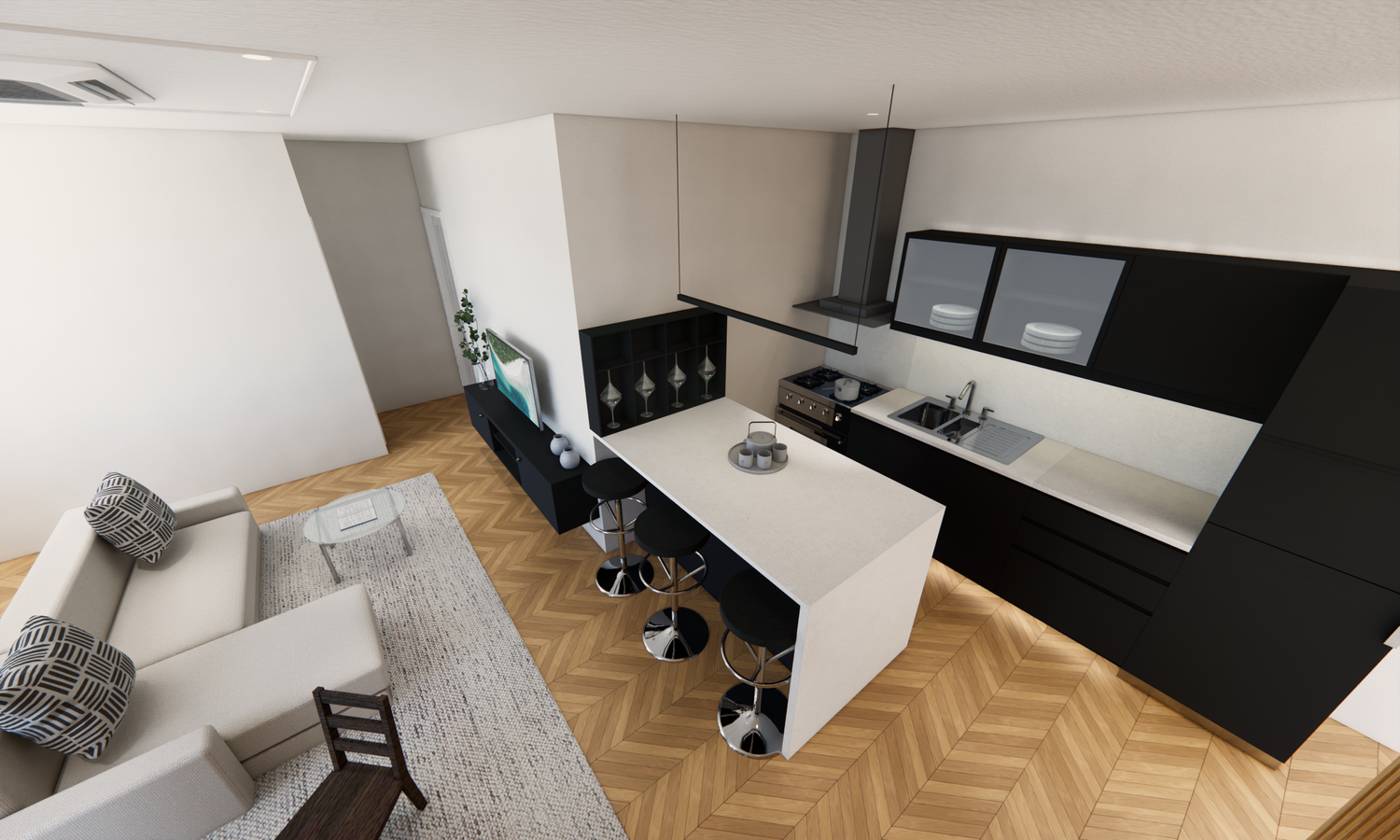
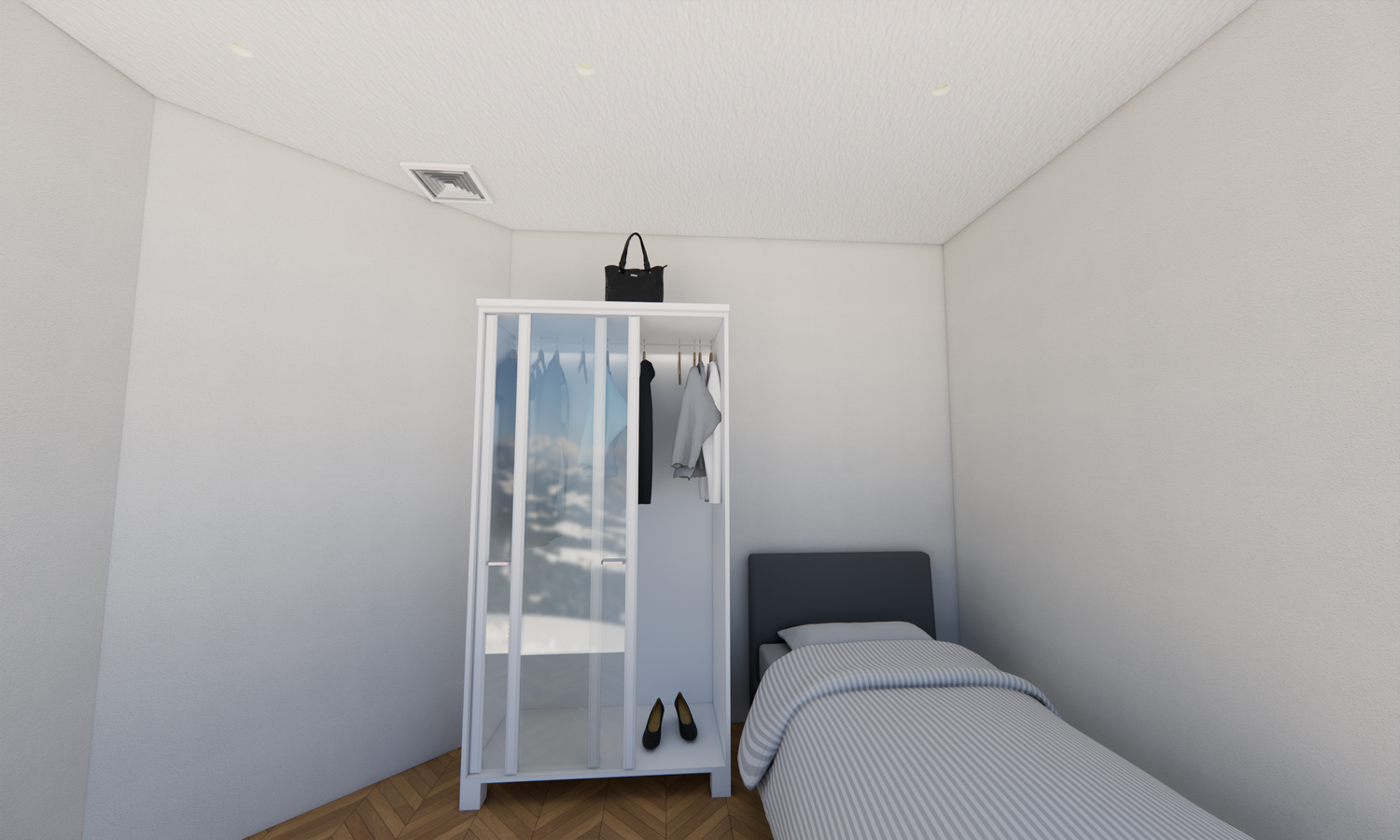
The design ethos is founded on a dialogue between the historical envelope and modern necessity. By adopting a 'Warm Minimalist' approach, we aim to declutter the visual field, allowing the architecture to breathe. The concept treats the apartment not as a series of closed rooms, but as a sequence of light-filled zones. We utilize the 'day zone' as the primary organizing element, ensuring that communal spaces align with the best light and views, while 'night zones' are acoustically buffered. This framework respects the rationalist origins of the building—prioritizing function and geometry—while softening the experience through tactile materials and fluid connectivity.