🔥 CYBER MONDAY 24H: -60% su tutti i prezzi del sito! Solo fino a mezzanotte. Usa il codice CYBERMONDAY25 👉🏼


Pieve di Soligo, TV, Italia
Residenziale - Villa
Dear Client,
Thank you for this opportunity. It has been a pleasure working on your project and I hope the proposed design meets your expectations and aligns well with your vision and requirements.
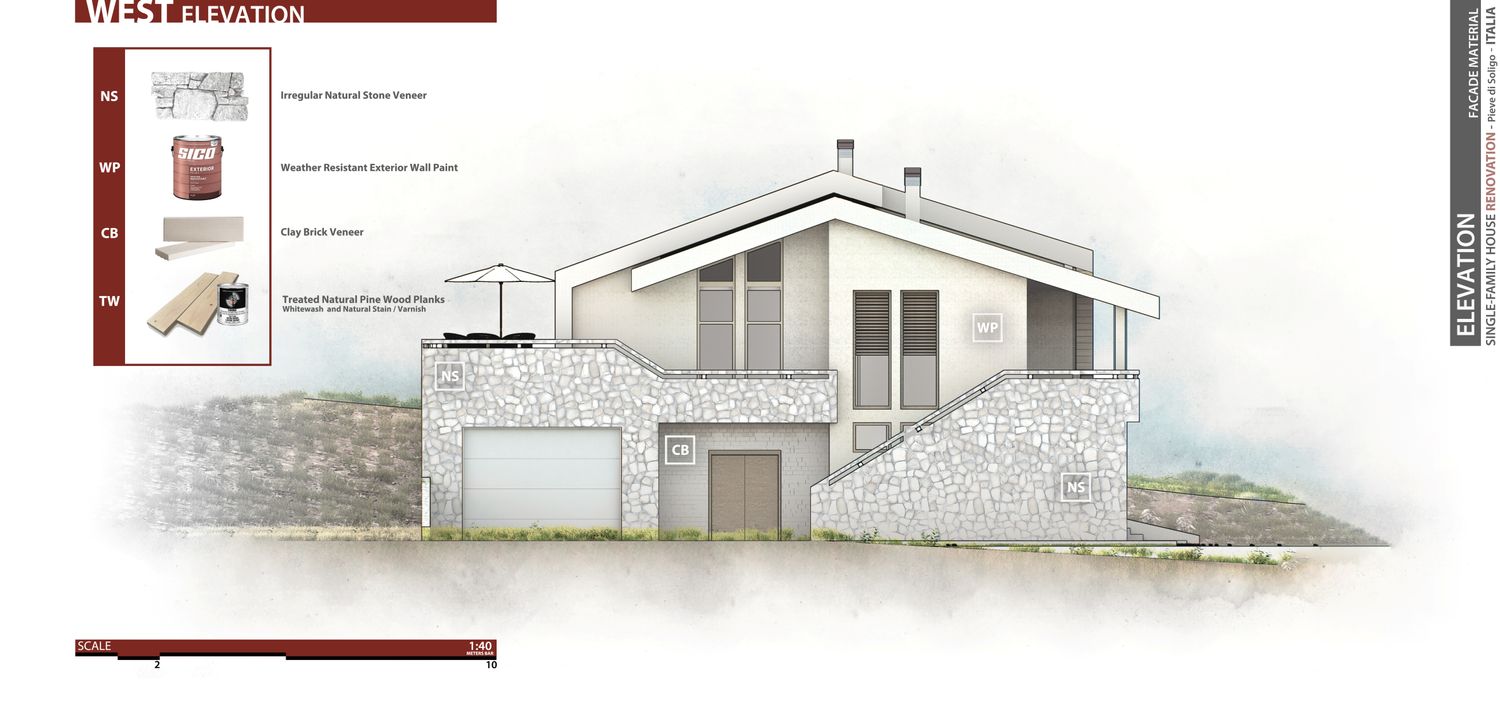
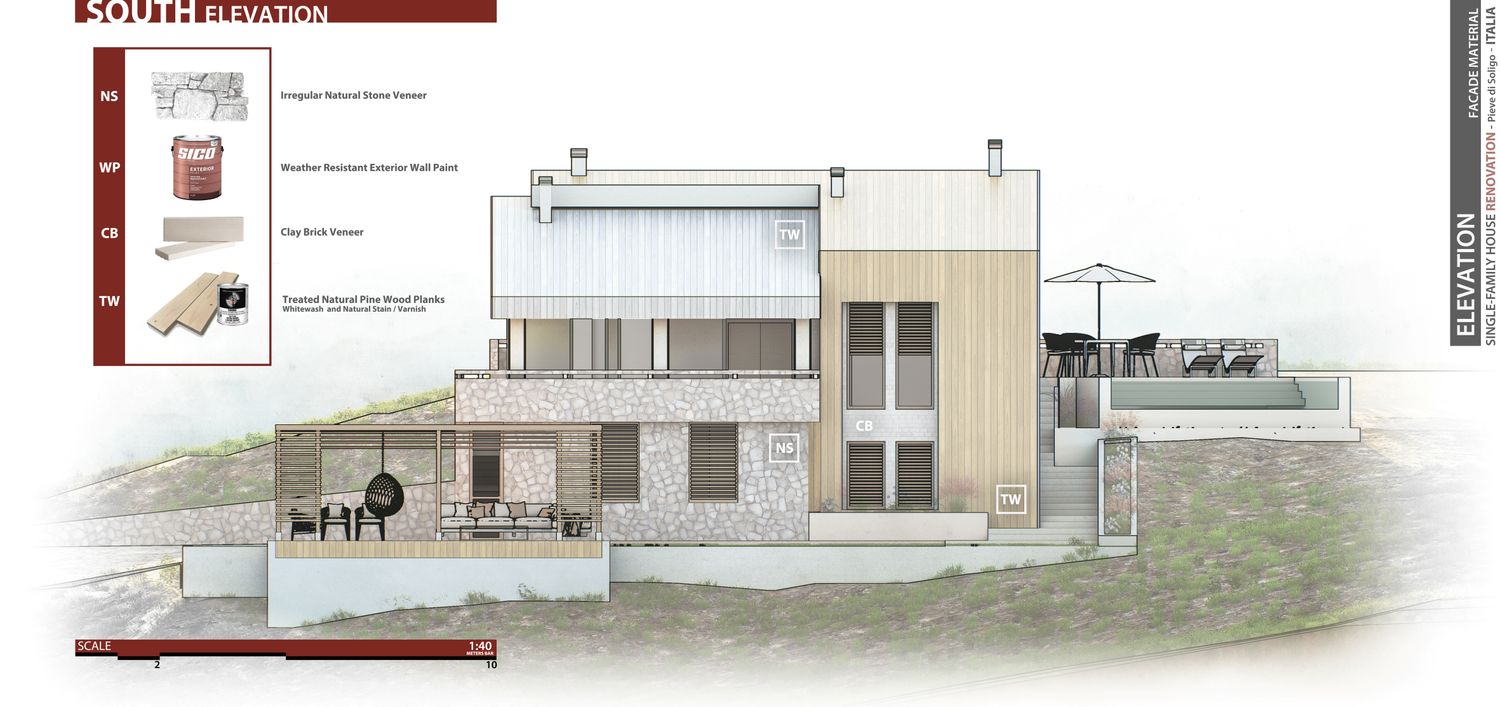
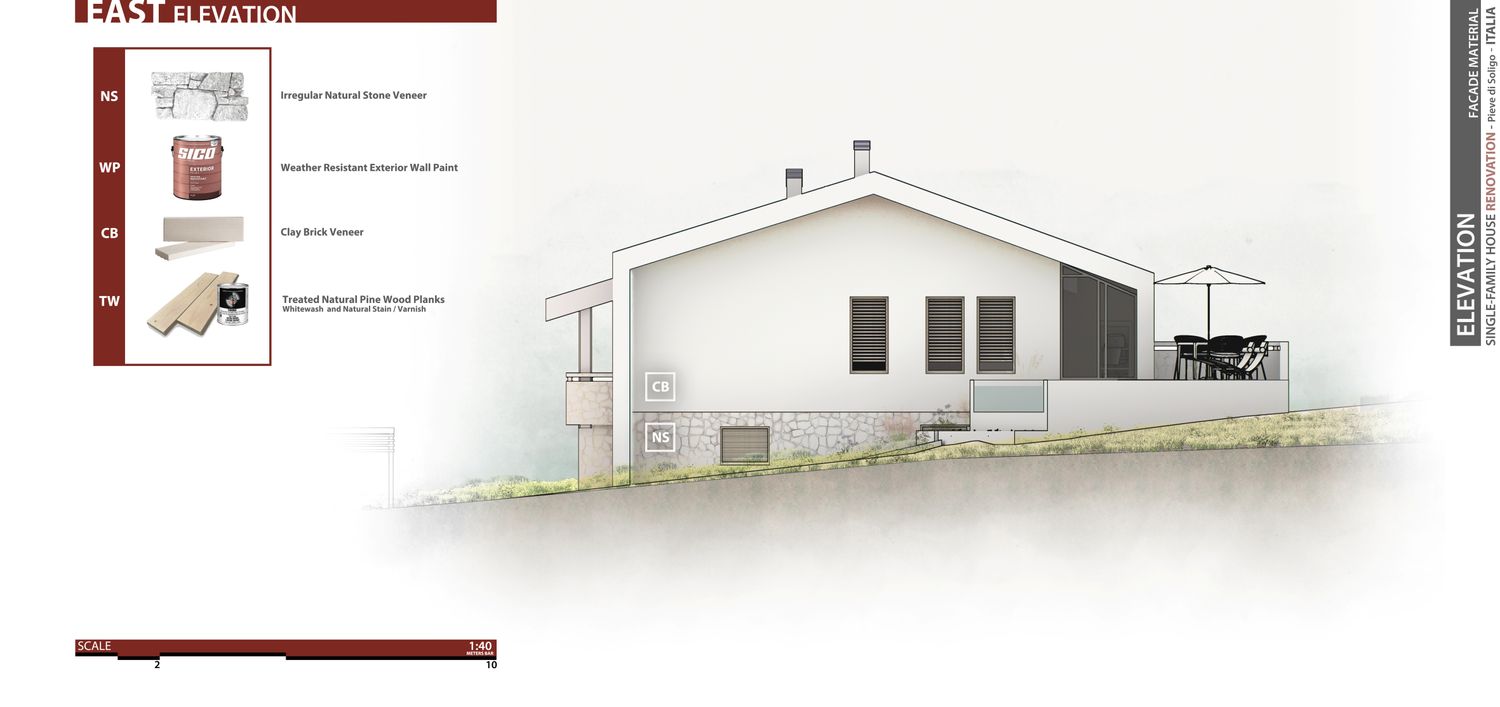
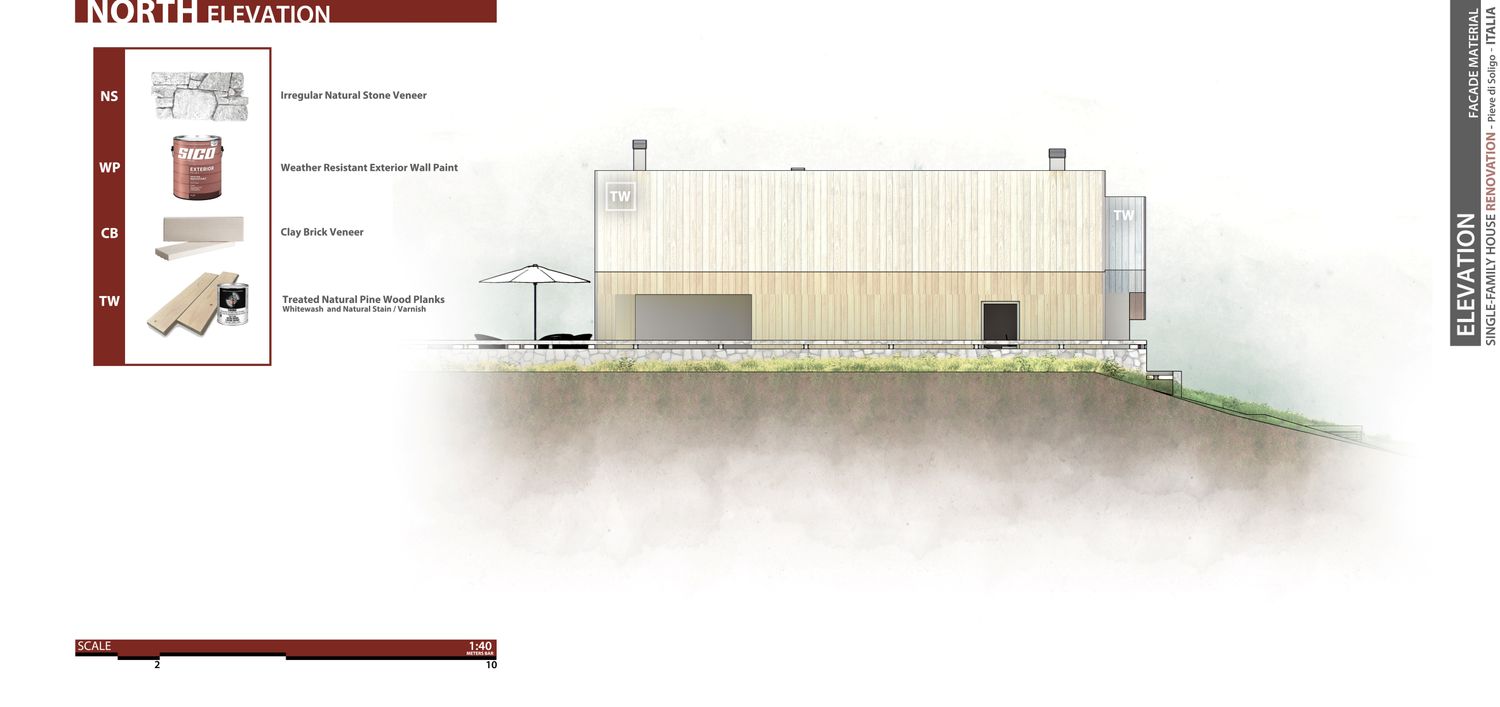
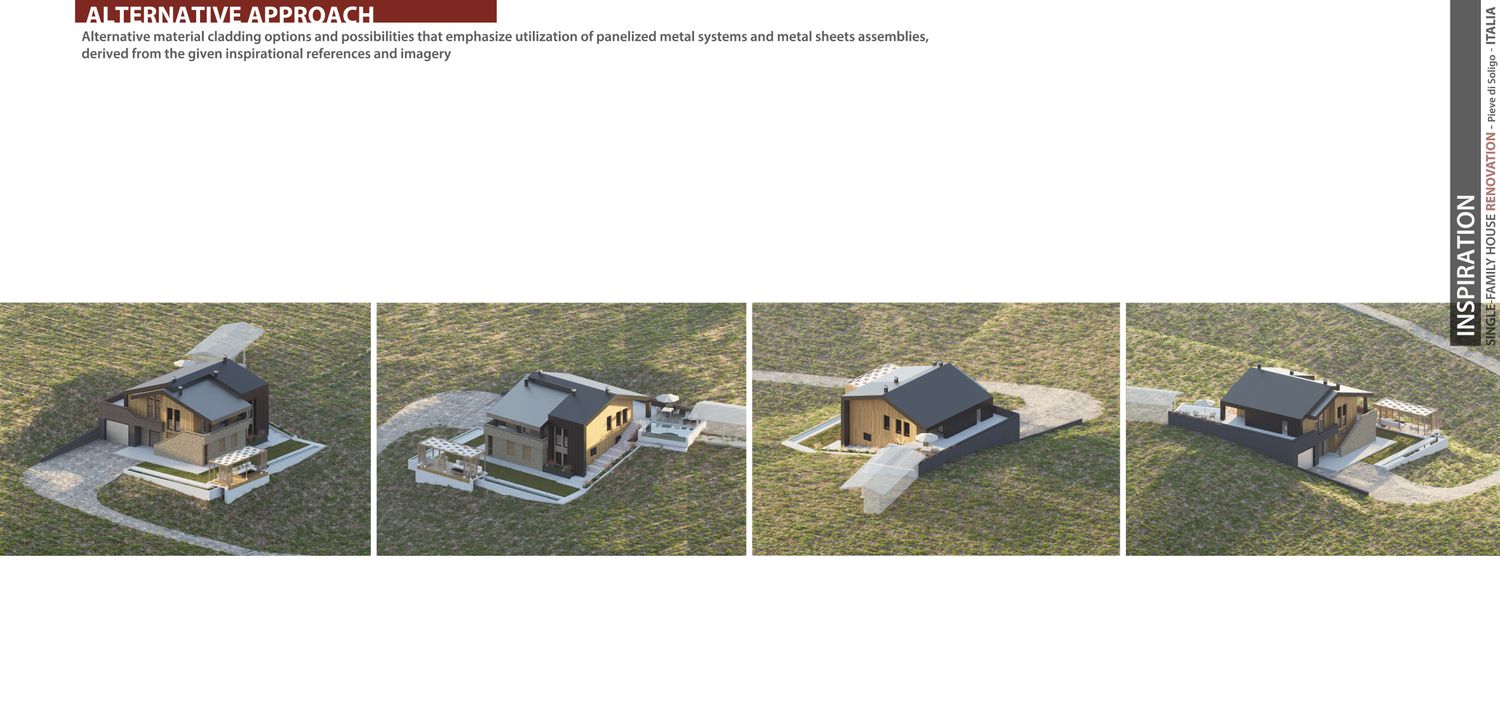
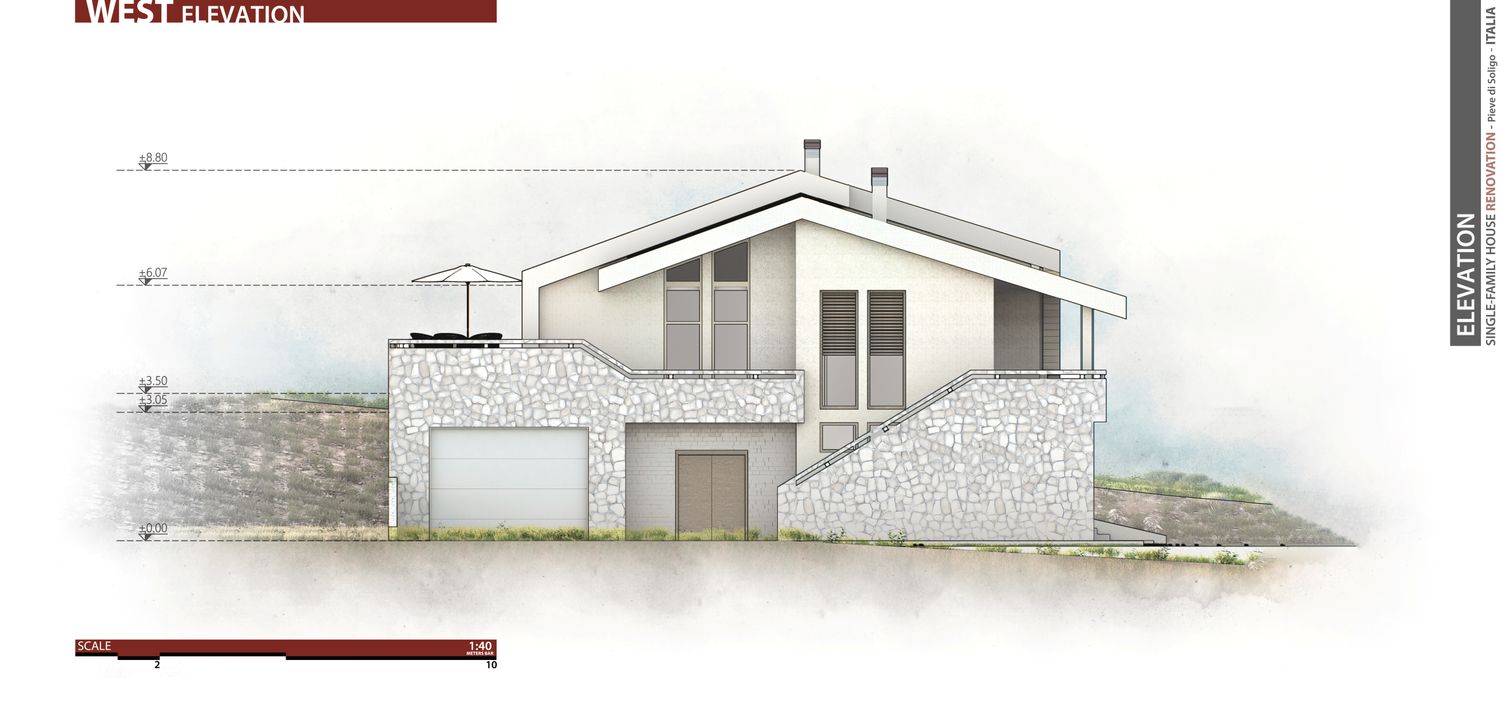
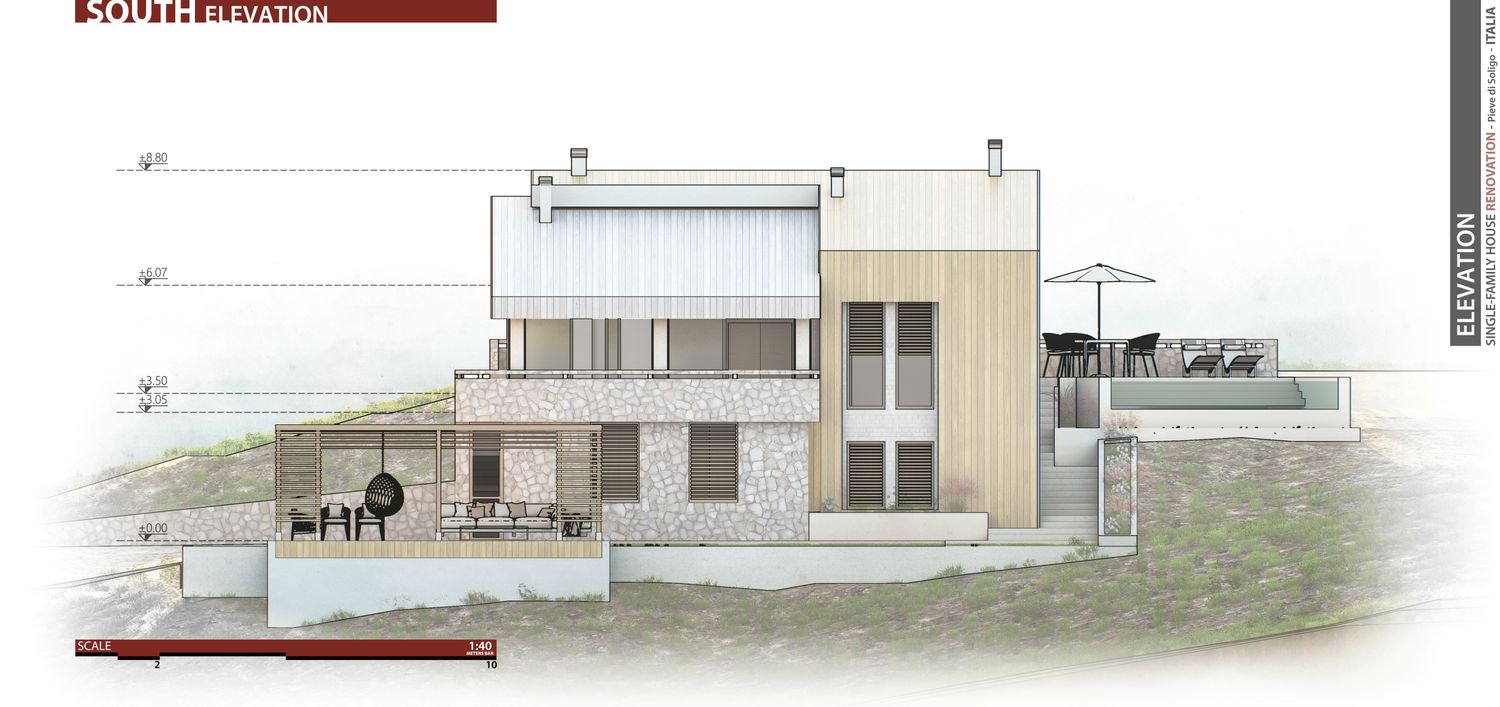
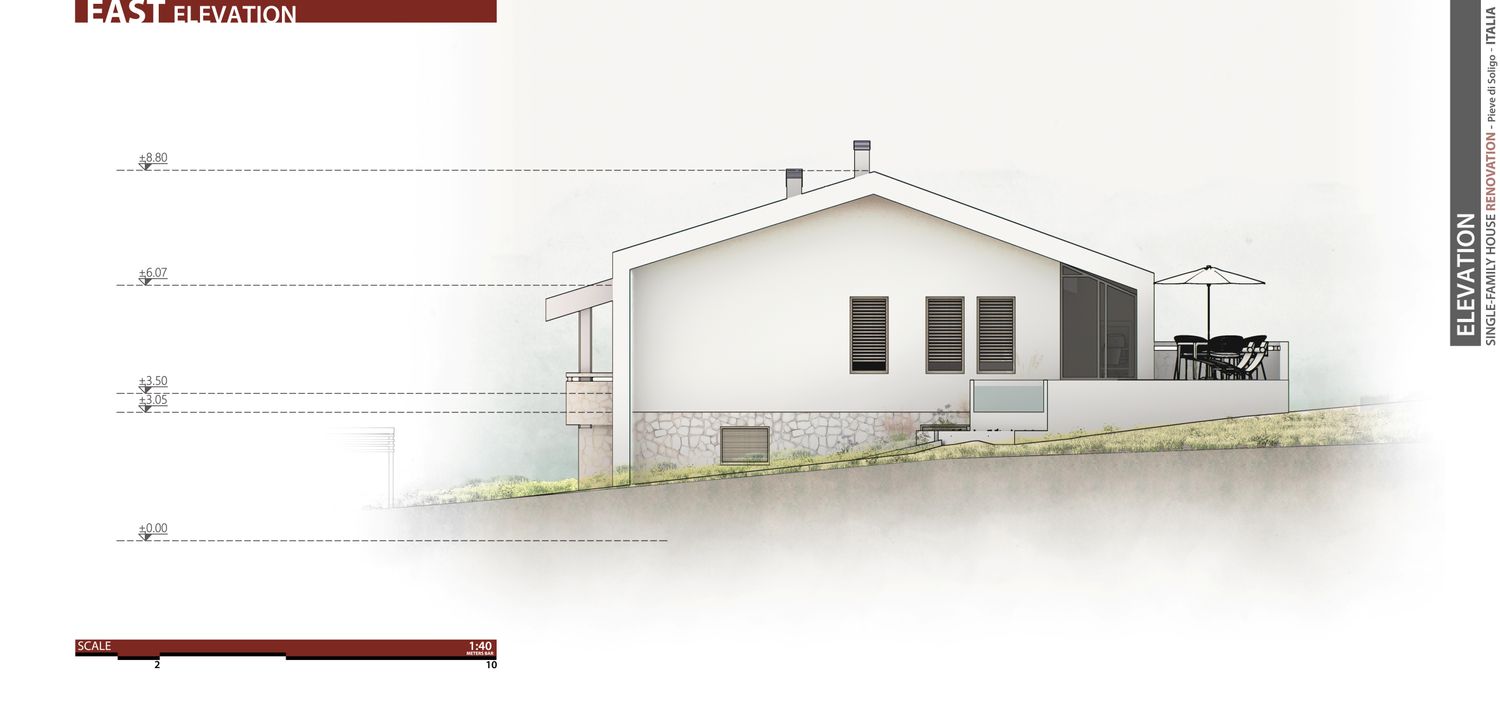
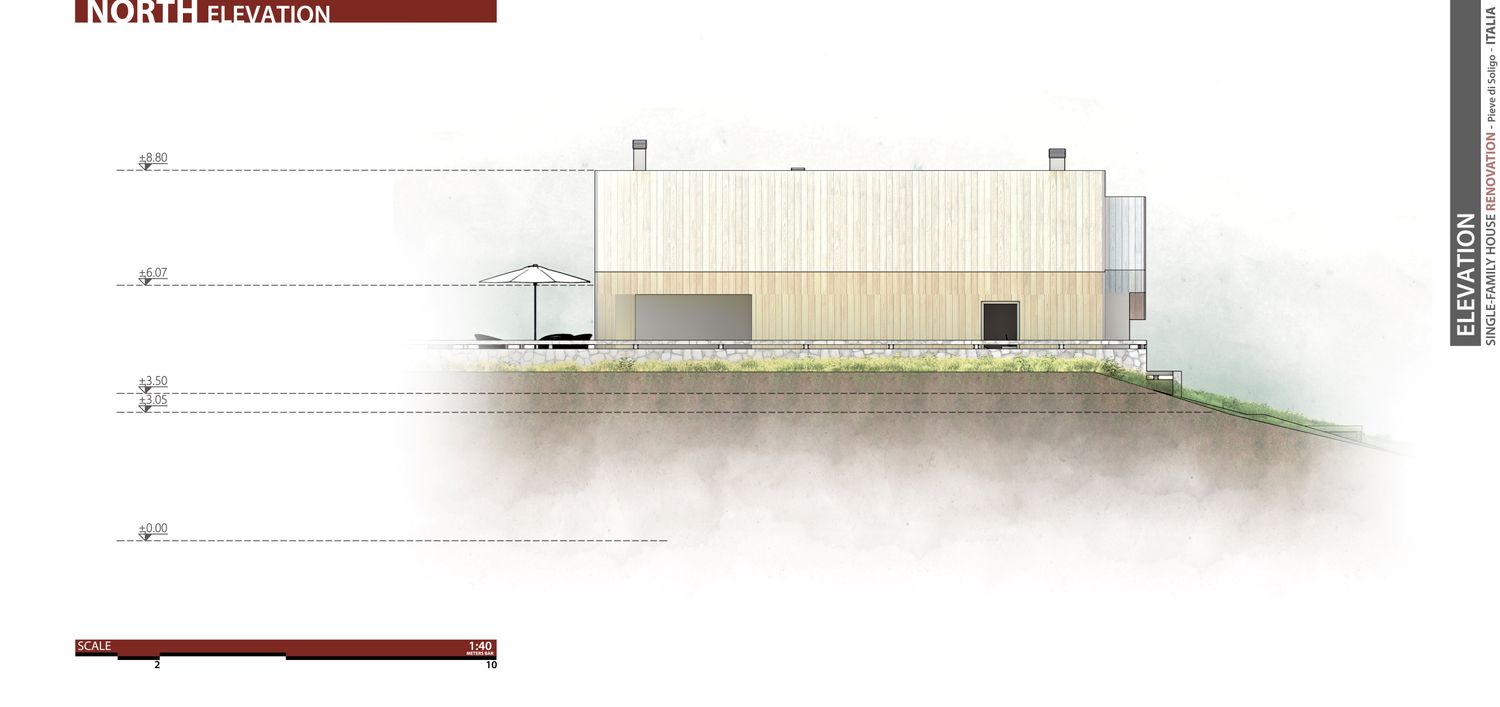
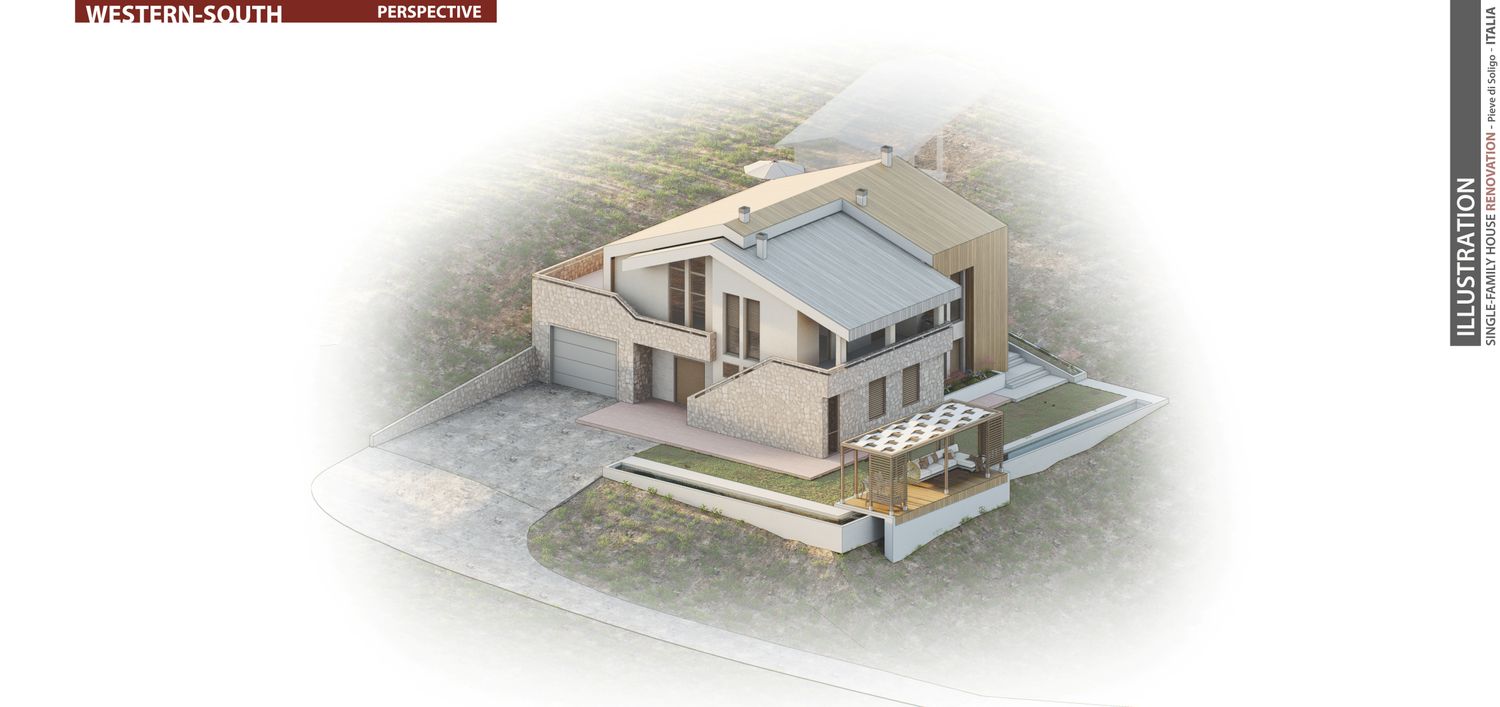
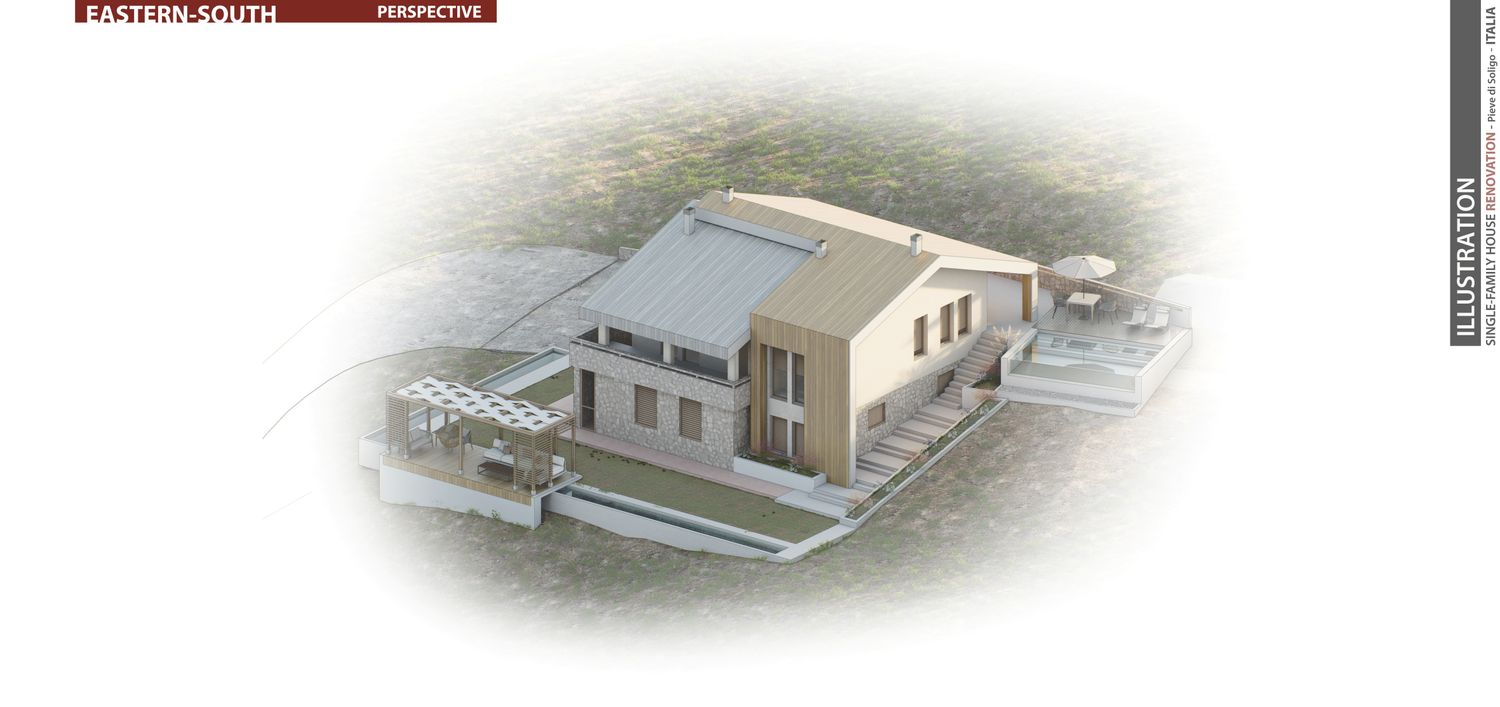
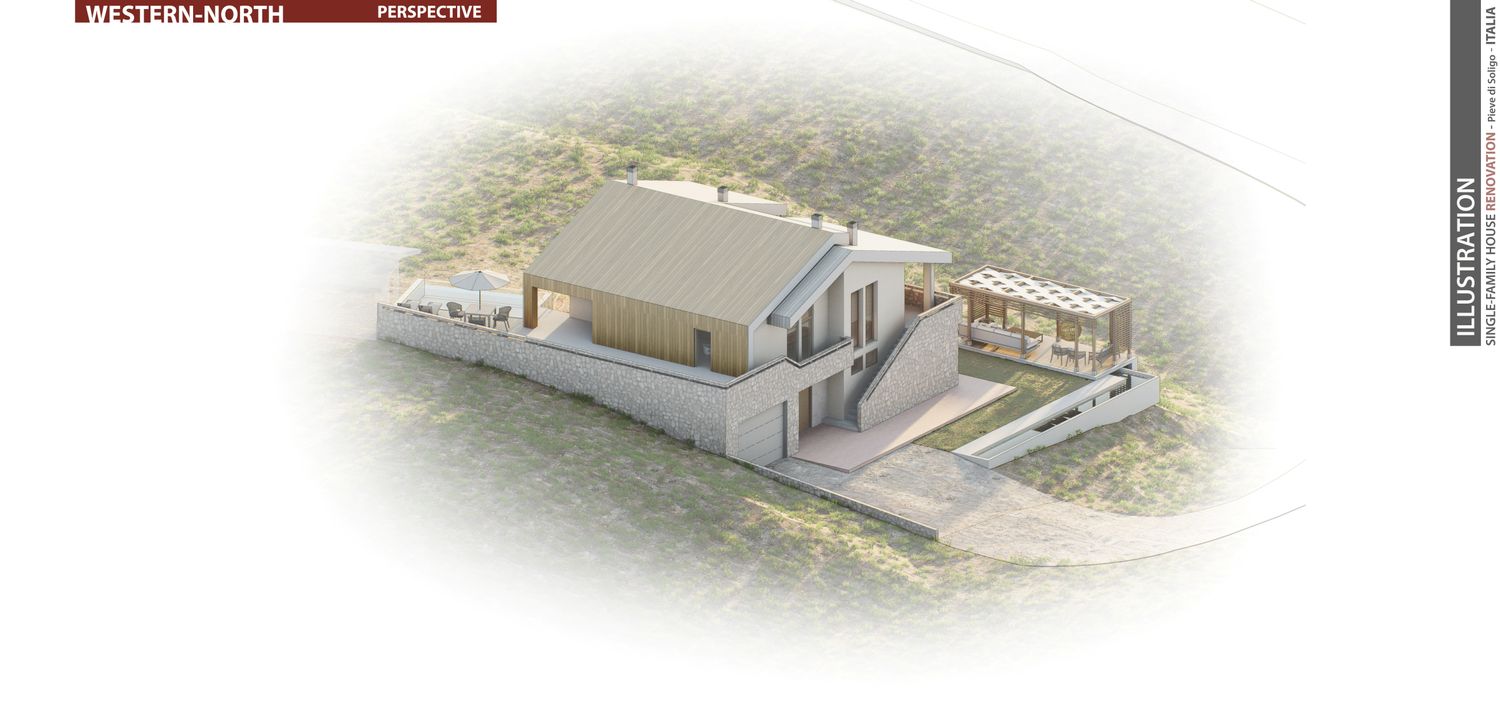
The design is inspired by contemporary Nordic architecture from Scandinavia, particularly its minimalist, refined language and clean, understated expression. Particular emphasis has been placed on the use of locally sourced materials from the Quartier del Piave area in Treviso, Italy, ensuring contextual relevance and material authenticity. The façade design is conceived to integrate naturally and harmoniously with the surrounding built environment. While the proposal slightly deviates from the reference images you provided, this approach was made to achieve better contextual integration ensuring the façade blends seamlessly with its environment. That said, alternative façade options incorporating metal sheets and panel cladding systems—consistent with your original references—have also been included for your consideration.
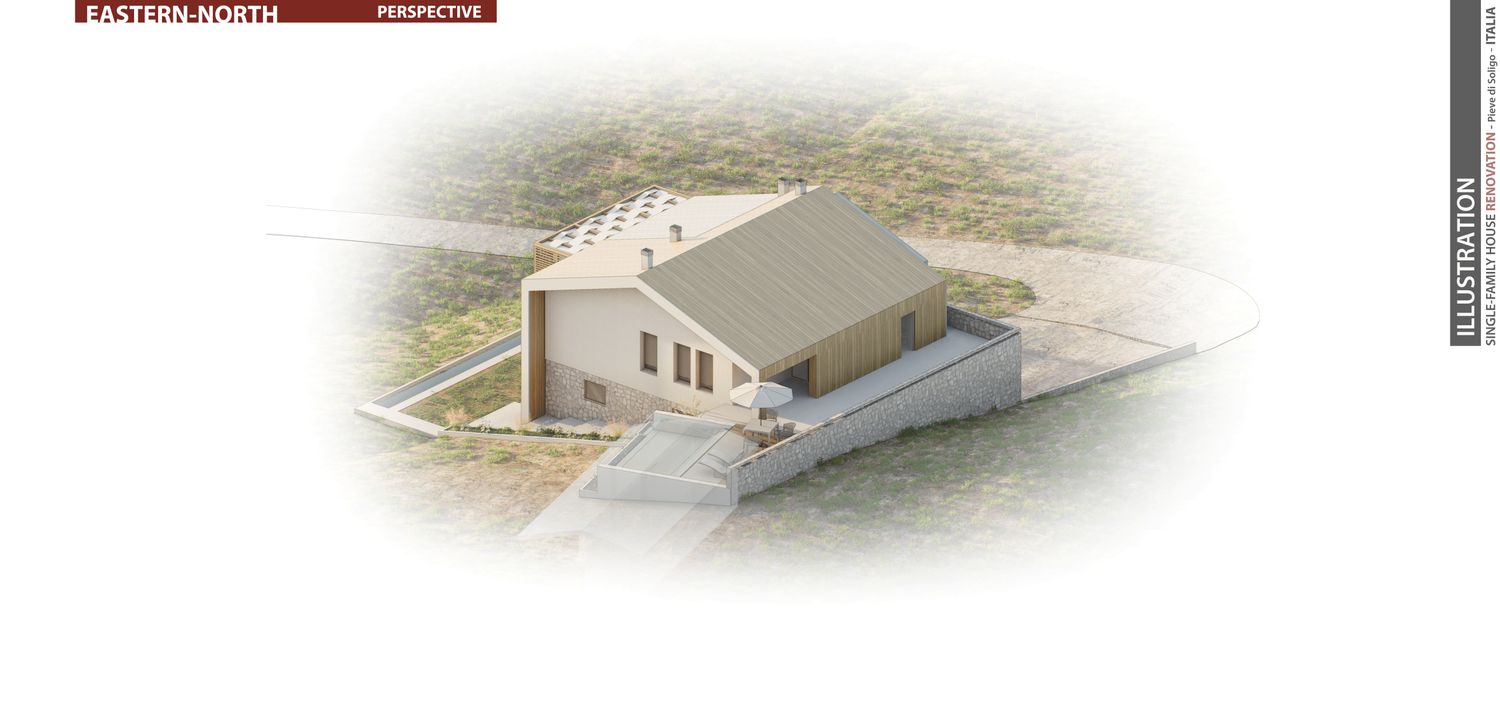
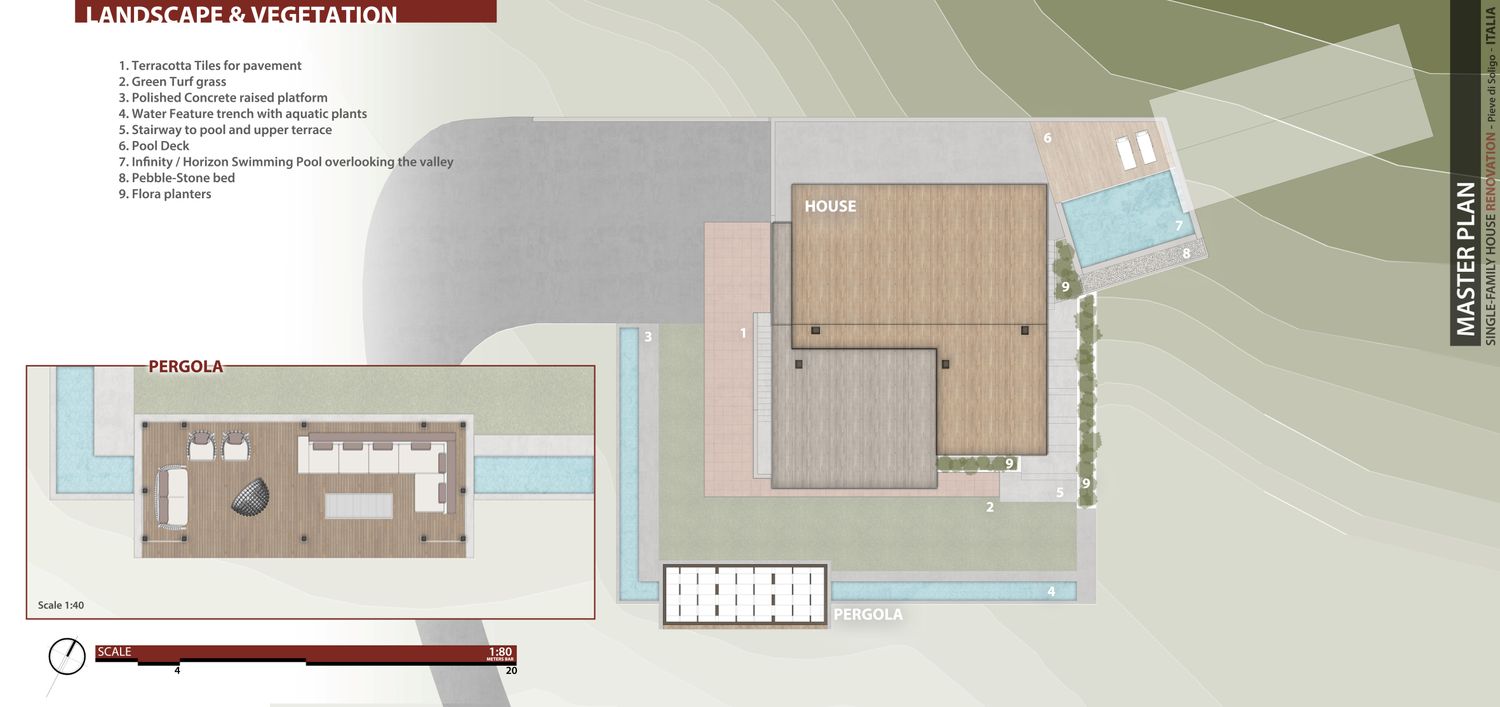
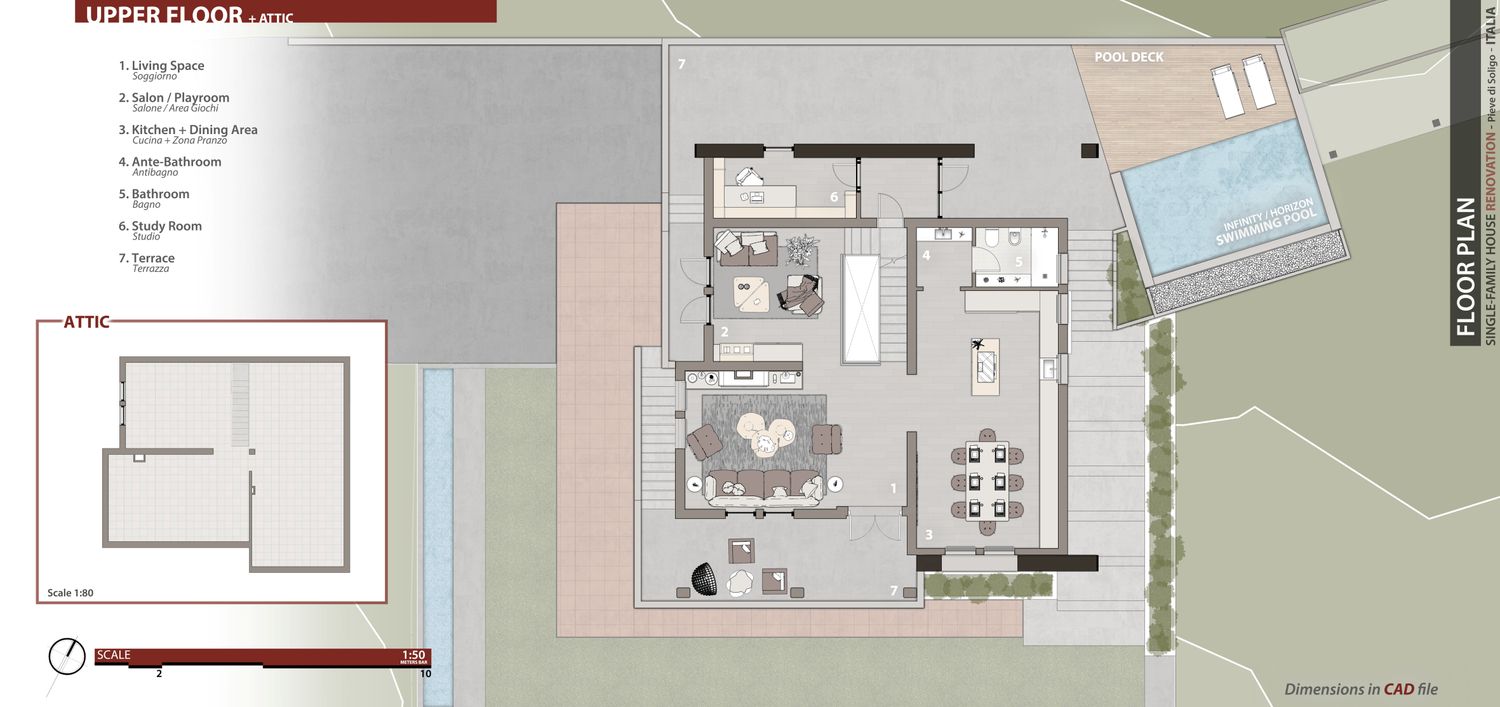
The landscape design follows a simple and refined concept. The lower relaxation area (Terrace) is set on a raised platform that is predominantly of green grass turf. It is lined with a linear water-feature trench intended to support aquatic planting. Above, another raised platform acts as a bridge and accommodates the seating pergola. The lower terrace connects to the upper terrace via a stepped stairway where the pool deck and swimming pool are located. The swimming pool is elevated on its own platform and designed as an infinity (horizon) pool, subtly inclined towards the east and overlooking the valley down, enhancing visual continuity with the landscape.
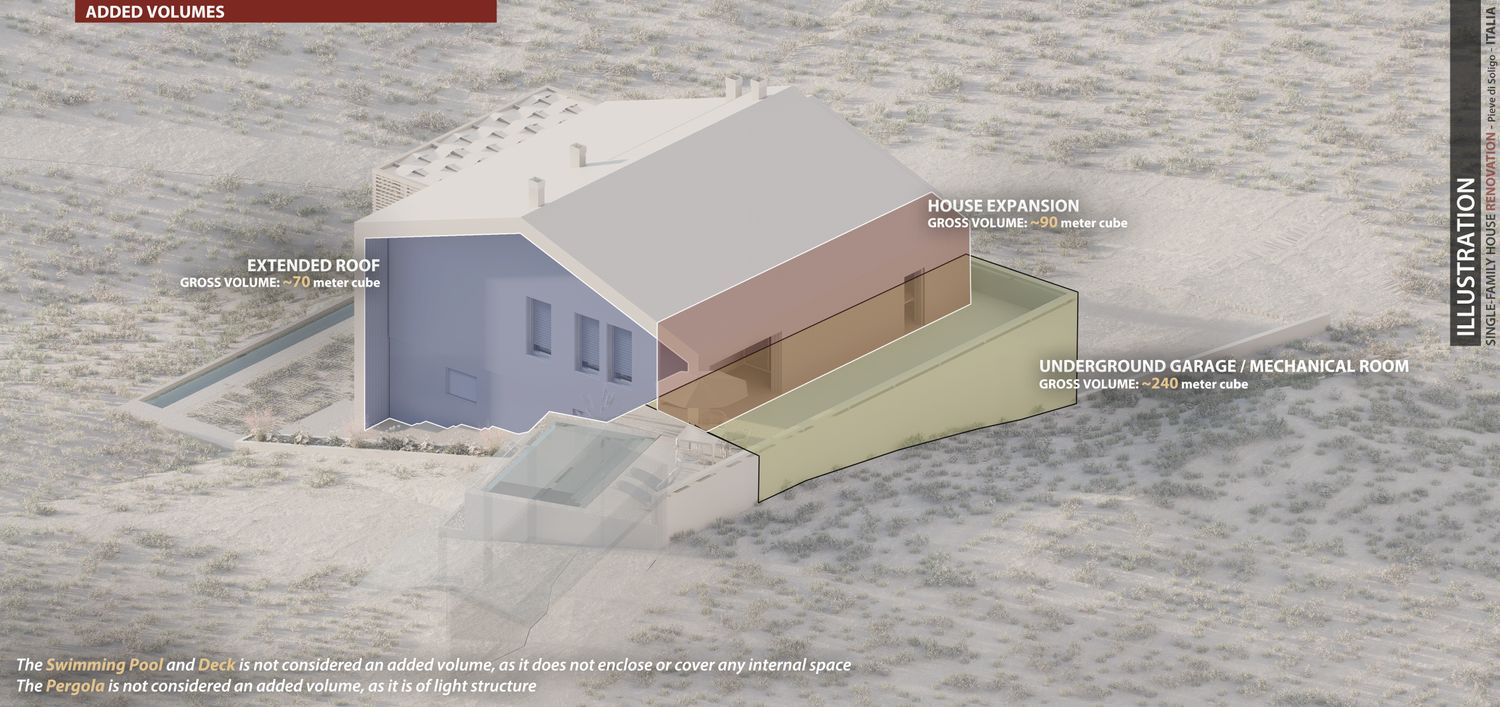
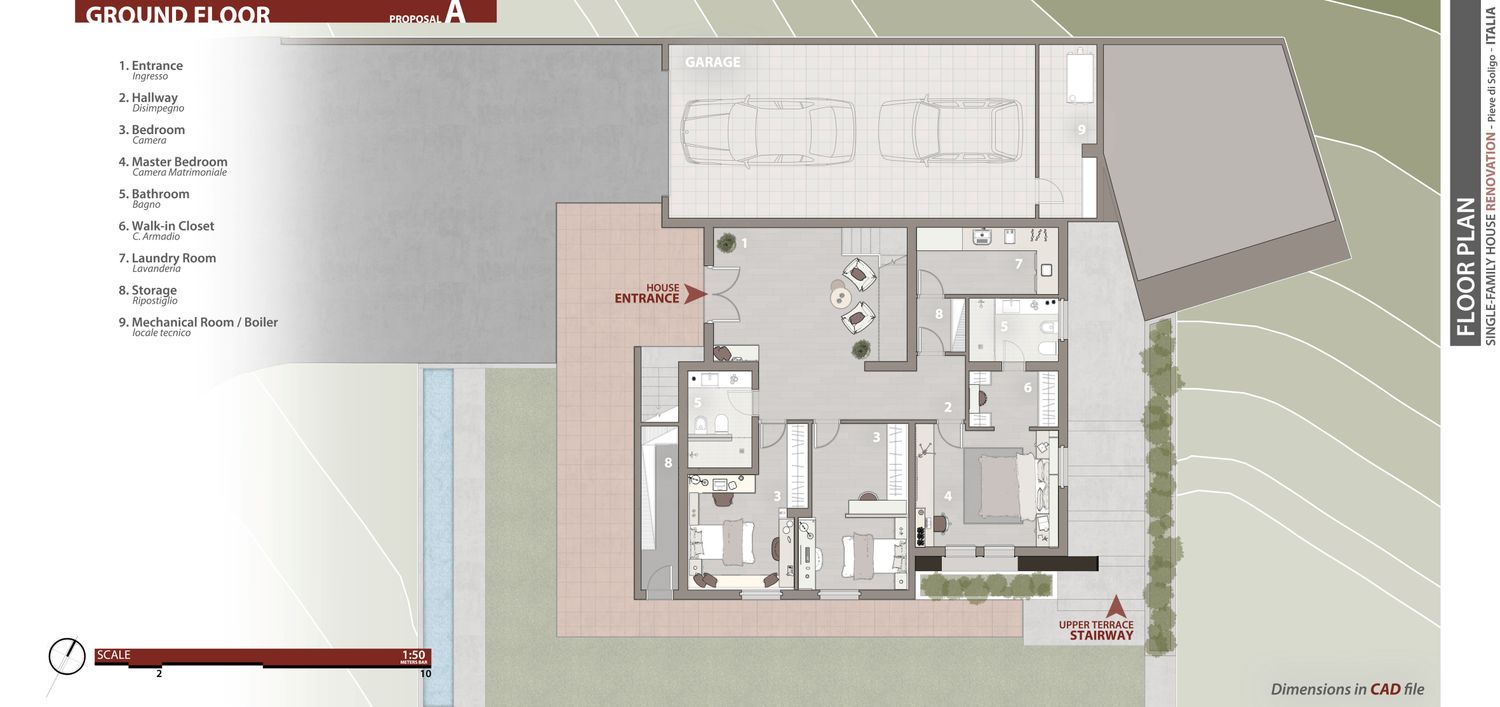
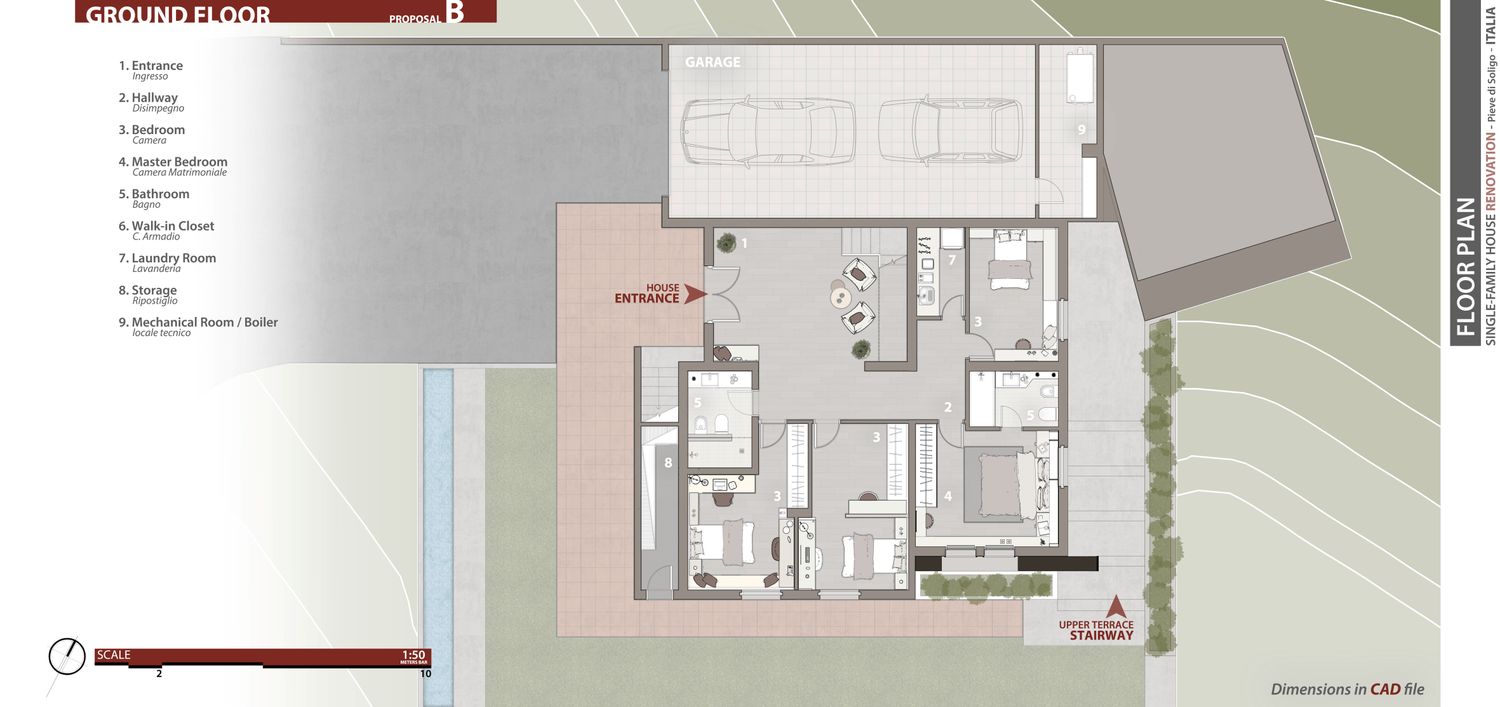
Regarding the interior layout, two ground-floor options are provided: one accommodating three bedrooms and another configurates four. The mechanical and boiler rooms are positioned within the garage area, giving room for the interior space to accommodate a small storage / service room serving the lower relaxation area. An additional volume is introduced on the upper floor, serving as a transitional zone between the house, the pool, and the upper terrace. This volume is designed also to accommodate a small study room.
Recognizing the structural limitations on introducing large openings and acknowledging the inherent structural constraints of the wall, the design refrains from introducing new large openings. Instead, focuses on the vertical extension of existing apertures. These interventions are selectively positioned and evaluated in relation to load paths and constructability, ensuring that their implementation does not compromise the load-bearing wall structure.
In the end, I hope this proposal meets your expectations and requirements. Should you have any questions, feedback, or suggestions, or if you wish to explore revisions or alternative solutions, please do not hesitate to reach out.
Warm regards,